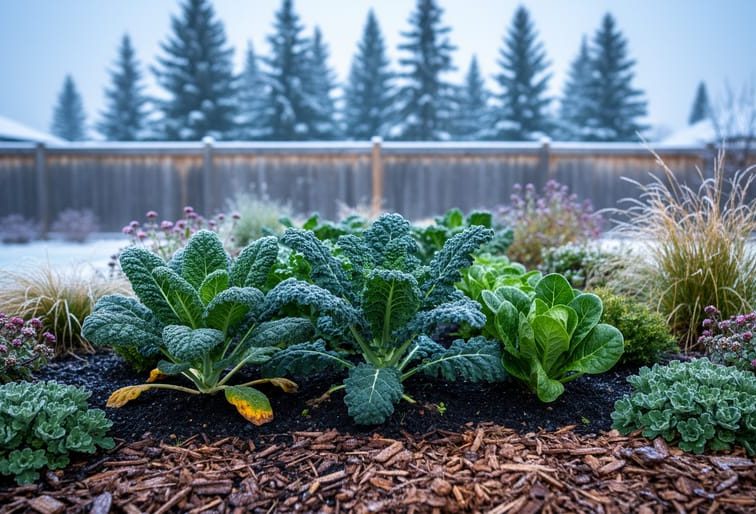
Frost-tolerant vegetable and perennial plants growing in a mulched garden bed with cool morning light and a snow-dusted evergreen background.

Calgary is in Zone 3: What This Means for Your Garden

Calgary sits firmly in hardiness zone 3b, which means your growing season runs roughly 110 days from late May to early September, with winter lows that can dip below -35°C. This designation isn’t just a number on a map. It shapes every decision you’ll make in your garden, from which tomato varieties will actually ripen before frost to whether that beautiful magnolia you spotted at the nursery stands a chance of surviving until next spring.
Understanding your zone gives you a head start. Sarah Chen, a community gardener in Bridgeland, learned this the hard way after losing three years of fruit tree investments to brutal …
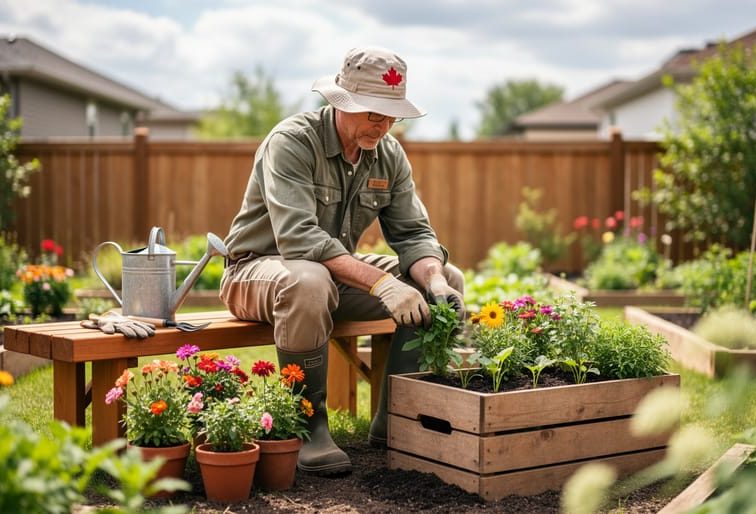
A person seated on a garden bench tending colorful flowers and potted herbs in a backyard during soft natural daylight.

Why Leisure Gardening Is Transforming How Canadians Connect with Nature

Leisure gardening means tending plants primarily for joy, relaxation, and personal fulfillment rather than maximum yield or perfection. It’s a growing movement across Canada where gardeners of all skill levels give themselves permission to slow down, experiment freely, and embrace gardening as a restorative hobby instead of a high-pressure project with rigid rules.
This approach transforms your relationship with the garden. Instead of stressing over weeds or comparing your tomato harvest to someone else’s, you focus on what brings you pleasure: the scent of herbs on your fingers, the satisfaction of watching seedlings …

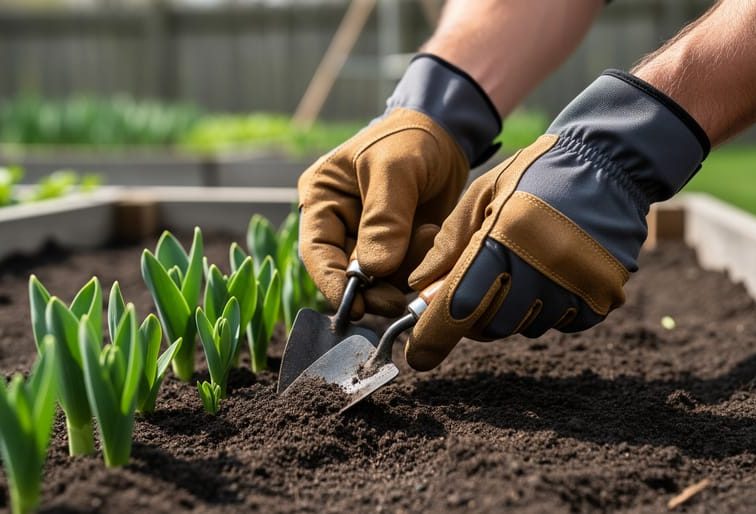
Close-up of a gardener’s hands wearing nitrile-coated and leather gardening gloves while working in a spring garden bed.

Where to Find the Perfect Gardening Gloves in Canada (Without the Guesswork)

Visit your local Canadian Tire, Home Hardware, or Rona this week to compare glove fits in person. Sizing matters more than most new gardeners realize, and what works for weeding won’t necessarily work for pruning roses. Bring a sample task in mind when you shop.
Expect to spend between $8 and $35 for quality gardening gloves in 2026, depending on the material and specialization. Nitrile-coated gloves run about $12 to $18 and handle most general tasks beautifully. Leather options start around $25 but last years longer if you’re tackling thorny shrubs or heavy digging.
Check the packaging for sizing charts, but here…

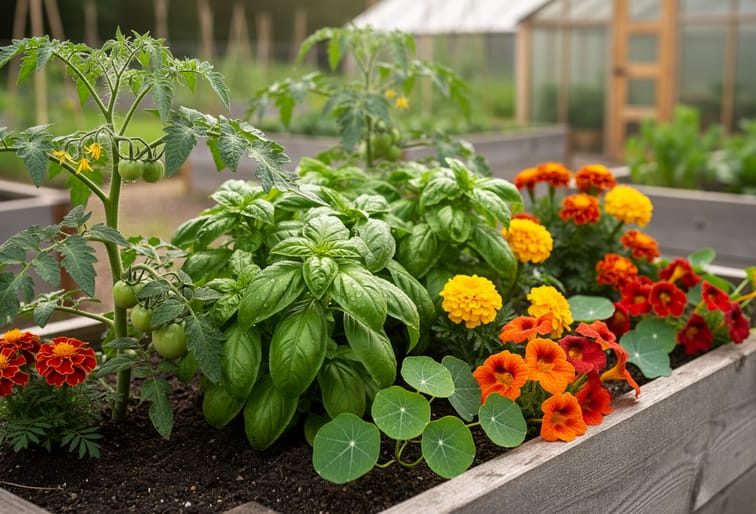
Close-up of thriving tomato and basil plants with marigolds and nasturtiums interplanted in a Canadian garden bed.

The Companion Planting Chart Every Canadian Gardener Needs (Free & Ready to Use)

Picture this: you plant your tomatoes next to basil, and suddenly both plants thrive like never before. That’s companion planting in action, and having a reliable chart transforms this ancient gardening wisdom into something you can use every single day in your garden.
Companion gardening charts solve a simple problem. When you’re standing in your garden bed wondering what to plant where, you need quick answers. Should those carrots go near the onions? Will your beans help or hurt your peppers? A good chart gives you those answers at a glance, saving you from costly mistakes and turning your plot into a productive …

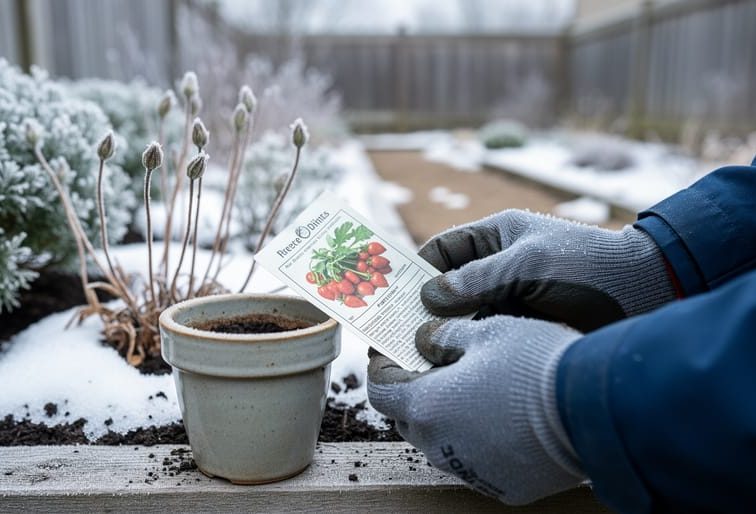
A gardener’s gloved hands holding seed packets next to frost-dusted plants in a Canadian backyard garden.

Why the USDA Gardening Zones Map Matters More Than You Think (Even in Canada)

Picture this: you’re scrolling through seed catalogs in January, dreaming of tomatoes and dahlias, when you spot those mysterious little numbers. Zone 5. Zone 8. What do they mean, and why does every plant label seem to whisper about them?
The USDA Plant Hardiness Zone Map divides North America into 13 zones based on average annual minimum winter temperatures. Each zone represents a 10-degree Fahrenheit difference, helping you figure out which perennials, trees, and shrubs can survive winter in your garden. For Canadian gardeners, this map matters just as much as our own Canadian zone system because so many seed companies, …

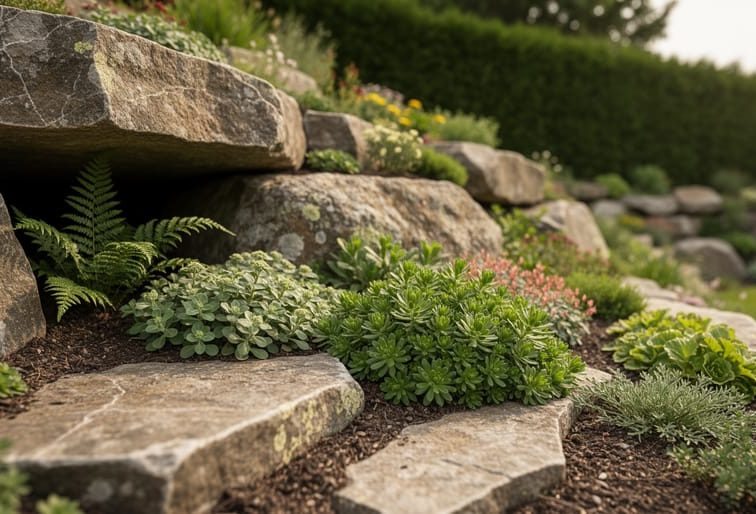
Alpine plants and sedums growing between weathered limestone boulders in a Canadian rock garden with ferns in a shaded area.

Gardening Rocks: Why Rock Gardens Are Canada’s Hottest Growing Trend

There’s something magical about tucking an alpine plant between two weathered stones and watching it thrive where grass never could. Rock gardening opens up possibilities most people never imagine, turning problem slopes, poor soil, and forgotten corners into stunning focal points that practically take care of themselves.
Whether you’re curious about designing with stones or searching for fellow enthusiasts who share your passion, you’ve found the right place. Rock gardening combines practical problem-solving with artistic expression. That …

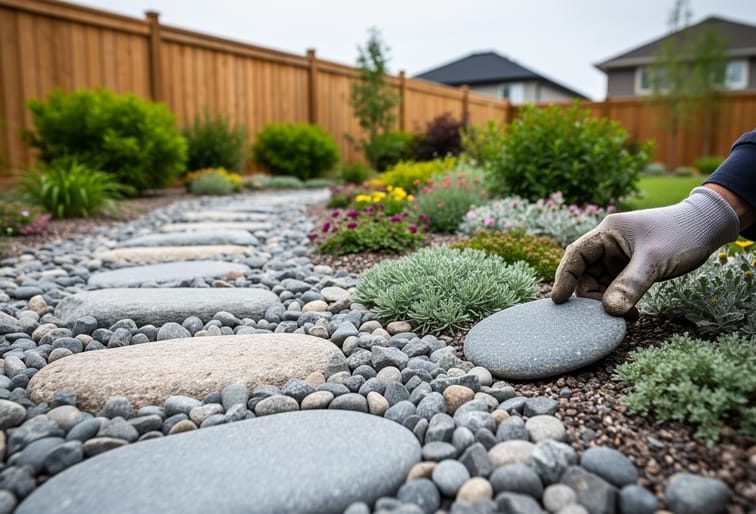
A person placing river stones in a Canadian backyard rock garden with gravel and drought-tolerant alpine plants.

Why Gardening Stones Are Transforming Canadian Yards This Year

Stones are transforming Canadian gardens in 2026, and you’re probably already walking past the perfect materials on your next nature hike. Last month, Maria from Vancouver shared how she turned a muddy slope into a stunning rock garden using river stones collected during family camping trips. The best part? She spent less than fifty dollars on supplies and created a landscape feature that now anchors her entire backyard.
Gardening with stones means incorporating rocks, pebbles, gravel, and boulders into your landscape for both practical and aesthetic purposes. Whether you’re building pathways, creating drainage solutions…

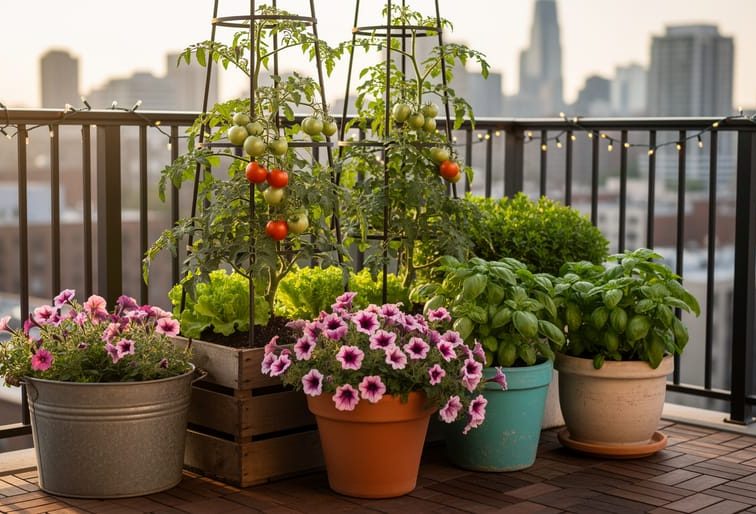
Five grouped planters of varying heights on a small urban balcony, featuring cherry tomatoes on a trellis, cascading petunias, and lettuce and basil in recycled containers, lit by warm evening sun with a blurred railing and distant skyline.

Transform Your Patio Into a Thriving Garden Paradise (Even in Small Spaces)

Transform bare patio corners into lush garden retreats by grouping containers in odd numbers—three or five pots of varying heights create instant visual interest and professional-looking dimension. Place your tallest container at the back or center, surrounding it with medium and low-growing plants to build layers that draw the eye naturally through your space.
Mix edibles with ornamentals in the same containers to maximize your patio’s productivity without sacrificing beauty. Tuck lettuce and herbs around the base of flowering plants, or let cherry tomatoes climb a trellis while …

How to Make a Perennial Border in Your Garden

Perennial borders, which are often referred to as herbaceous borders, originated in Britain and were typically placed in front of fences, hedges, or walls, often on the property’s boundaries, usually in rectangular shapes.

When creating your new border, it’s essential to ensure it harmonizes with your overall garden design. In more relaxed and informal landscapes, curved borders and island beds may be a better fit.

On the other hand, in formal gardens characterized by geometric principles and straight lines, rectangular beds …

5 Amazing Plants that You Should Have on a Dry and Shady Garden

Gardening in full shade is tough, but dry, compacted soil makes it even harder. Dry shade often occurs under mature trees with shallow roots, like non-native maples. Adding soil or raising the grade won’t help much and can harm the tree.

To tackle this in my garden, I annually improve the soil by loosening it with a garden fork, adding shredded leaves for better texture, and topping it with compost or composted manure for nutrients.

Some shade-loving plants adapt to dry conditions, while others, like ‘Ice Dance’ sedge, …