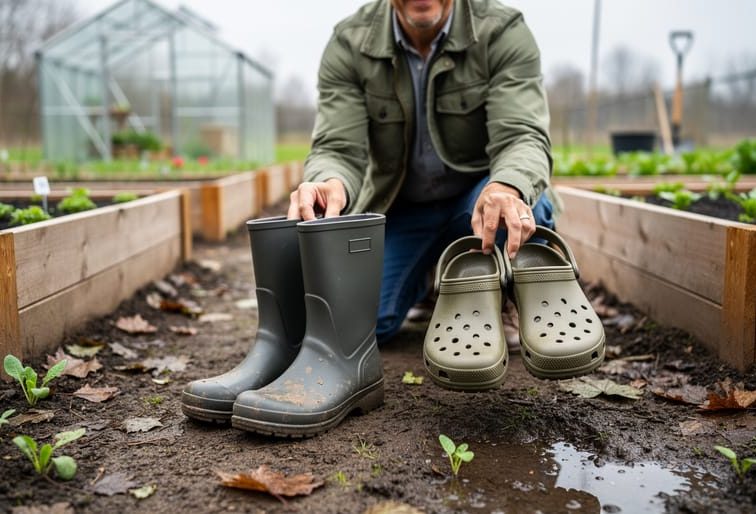
A Canadian gardener kneeling in a spring garden holds waterproof rubber gardening boots and breathable clogs beside muddy soil and seedlings.

When to Wear Which Gardening Shoes: Seasonal Footwear for Canadian Gardeners

In most Canadian gardens, the best time to invest in dedicated gardening shoes is early spring, typically late March through April, before the soil thaws completely and muddy conditions set in. Your region’s frost dates and rainfall patterns determine whether you need waterproof boots in April or breathable clogs by May.
The shift from winter to growing season creates the widest range of footwear demands. A Vancouver gardener faces eight months of wet soil and needs different protection than someone in Calgary, where intense summer heat and dry conditions dominate by July. This timing matters because buying the wrong shoe for …
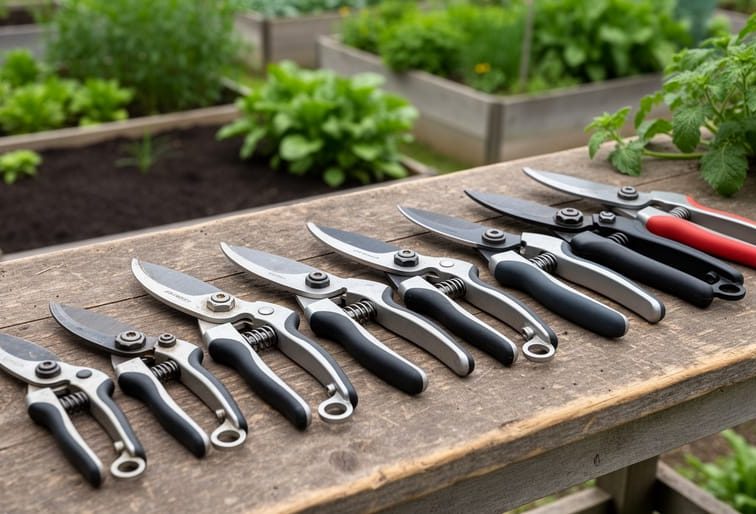
Close-up of bypass pruners and gardening clippers laid on a wooden bench in a Canadian community garden with raised beds in the background.

Where Canadian Community Gardens Can Buy Gardening Clippers in Bulk (And Save Big)

Contact Canadian garden centers like Veseys, Lee Valley, or your local co-op to inquire about bulk pricing on hand pruners and bypass loppers. Most suppliers offer 15-20% discounts when you purchase six or more pairs, and some will match online prices if you show them quotes from retailers like Amazon.ca or Canadian Tire.
Check if your municipality has a tool library program before buying. Vancouver, Toronto, and Ottawa now have tool-sharing networks where community gardens can borrow professional-grade clippers for seasonal projects. If your city doesn’t have one yet, you can start the …

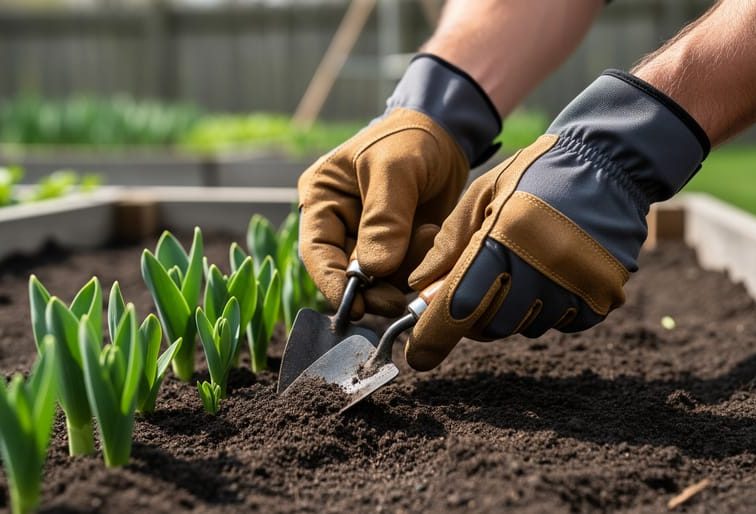
Close-up of a gardener’s hands wearing nitrile-coated and leather gardening gloves while working in a spring garden bed.

Where to Find the Perfect Gardening Gloves in Canada (Without the Guesswork)

Visit your local Canadian Tire, Home Hardware, or Rona this week to compare glove fits in person. Sizing matters more than most new gardeners realize, and what works for weeding won’t necessarily work for pruning roses. Bring a sample task in mind when you shop.
Expect to spend between $8 and $35 for quality gardening gloves in 2026, depending on the material and specialization. Nitrile-coated gloves run about $12 to $18 and handle most general tasks beautifully. Leather options start around $25 but last years longer if you’re tackling thorny shrubs or heavy digging.
Check the packaging for sizing charts, but here…

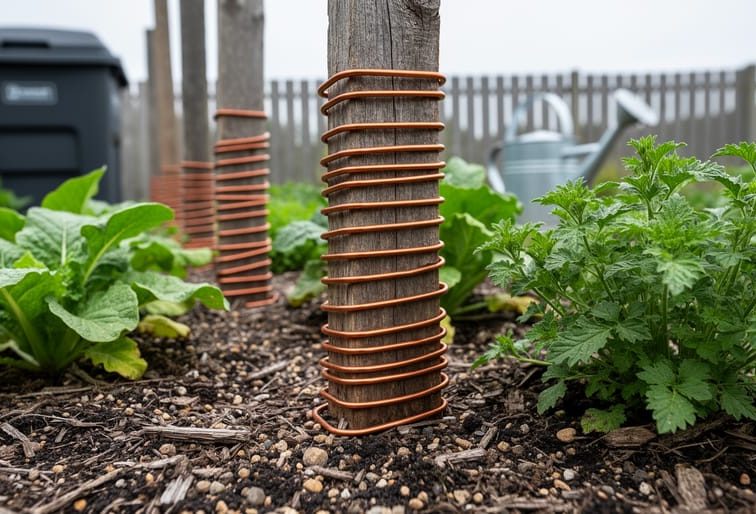
Copper wire wrapped around wooden stakes next to green plants in a Canadian backyard garden bed.

Electroculture Gardening: How Copper Antennas Could Transform Your Canadian Garden

You’ve probably seen the photos: copper wire spiraling around wooden stakes, gardens supposedly thriving with minimal water or fertilizer, claims of doubled yields. Electroculture gardening has exploded across social media in 2026, promising that simple copper antennas can harness atmospheric energy to supercharge plant growth. But does it actually work, or is it just another viral gardening myth?
Here’s what we know. Electroculture isn’t new. Farmers experimented with electrical currents and magnetic fields back in the 1700s, and research continued sporadically through the 20th century with mixed results. The …

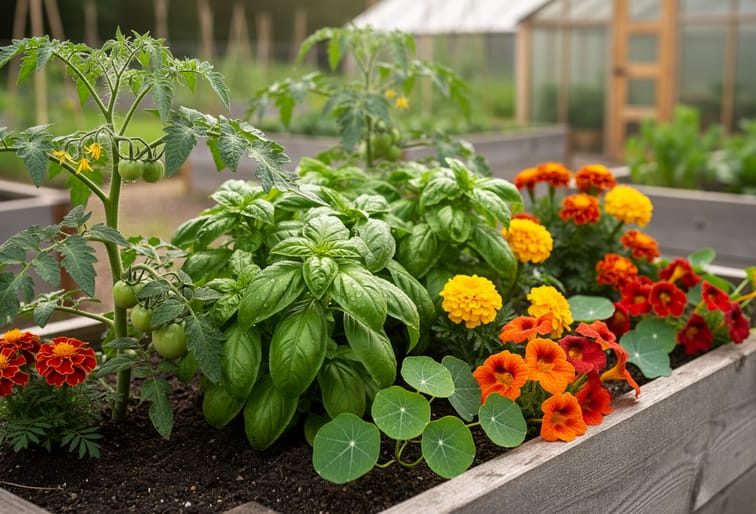
Close-up of thriving tomato and basil plants with marigolds and nasturtiums interplanted in a Canadian garden bed.

The Companion Planting Chart Every Canadian Gardener Needs (Free & Ready to Use)

Picture this: you plant your tomatoes next to basil, and suddenly both plants thrive like never before. That’s companion planting in action, and having a reliable chart transforms this ancient gardening wisdom into something you can use every single day in your garden.
Companion gardening charts solve a simple problem. When you’re standing in your garden bed wondering what to plant where, you need quick answers. Should those carrots go near the onions? Will your beans help or hurt your peppers? A good chart gives you those answers at a glance, saving you from costly mistakes and turning your plot into a productive …

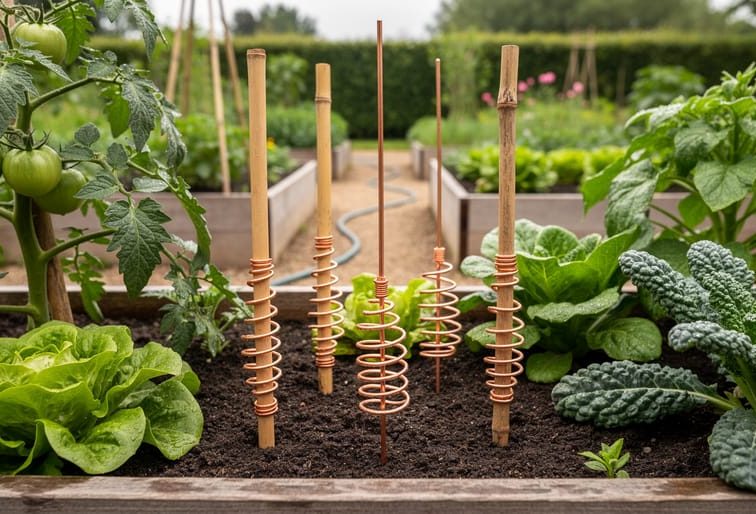
Copper wire spirals and a copper antenna attached to stakes in a raised vegetable bed with healthy tomato plants growing around them.

Electro Culture Gardening: Separating the Hype from Reality in Your Garden

You’ve probably seen the viral videos: copper wire spirals wrapped around garden stakes, metal antennas jutting from tomato beds, claims of doubled harvests without chemicals. Electro culture gardening has exploded across social media in recent years, promising that electromagnetic energy and atmospheric electricity can supercharge plant growth. But before you start wrapping your raised beds in copper coils, you’re right to wonder: does this actually work, or is it just another internet fad?
The short answer? The science is complicated, and most experts remain skeptical. Research from Washington State University found no…

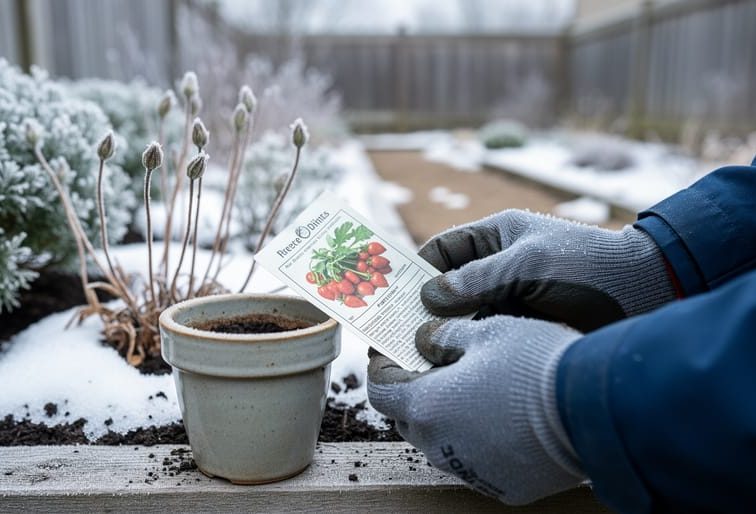
A gardener’s gloved hands holding seed packets next to frost-dusted plants in a Canadian backyard garden.

Why the USDA Gardening Zones Map Matters More Than You Think (Even in Canada)

Picture this: you’re scrolling through seed catalogs in January, dreaming of tomatoes and dahlias, when you spot those mysterious little numbers. Zone 5. Zone 8. What do they mean, and why does every plant label seem to whisper about them?
The USDA Plant Hardiness Zone Map divides North America into 13 zones based on average annual minimum winter temperatures. Each zone represents a 10-degree Fahrenheit difference, helping you figure out which perennials, trees, and shrubs can survive winter in your garden. For Canadian gardeners, this map matters just as much as our own Canadian zone system because so many seed companies, …

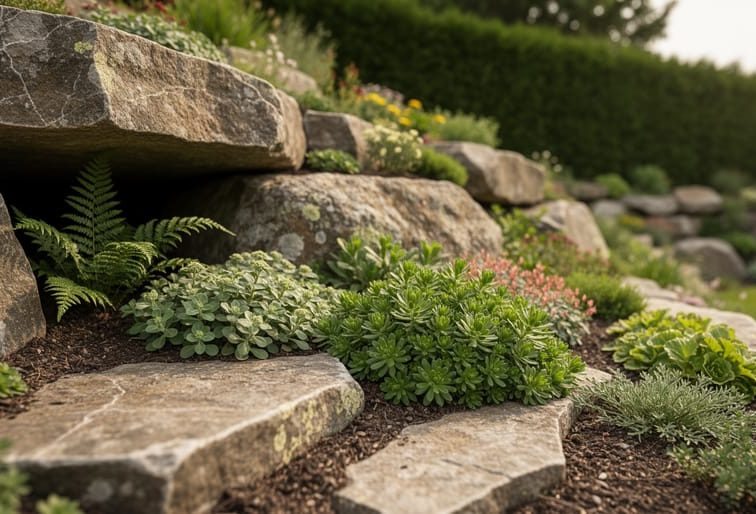
Alpine plants and sedums growing between weathered limestone boulders in a Canadian rock garden with ferns in a shaded area.

Gardening Rocks: Why Rock Gardens Are Canada’s Hottest Growing Trend

There’s something magical about tucking an alpine plant between two weathered stones and watching it thrive where grass never could. Rock gardening opens up possibilities most people never imagine, turning problem slopes, poor soil, and forgotten corners into stunning focal points that practically take care of themselves.
Whether you’re curious about designing with stones or searching for fellow enthusiasts who share your passion, you’ve found the right place. Rock gardening combines practical problem-solving with artistic expression. That …

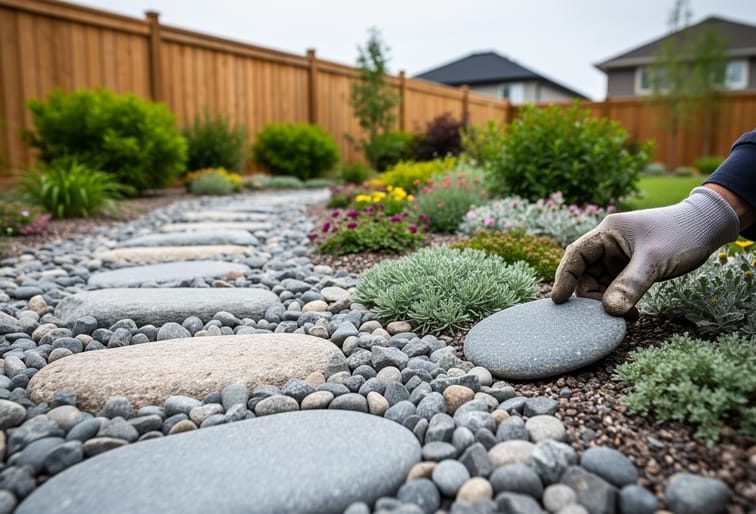
A person placing river stones in a Canadian backyard rock garden with gravel and drought-tolerant alpine plants.

Why Gardening Stones Are Transforming Canadian Yards This Year

Stones are transforming Canadian gardens in 2026, and you’re probably already walking past the perfect materials on your next nature hike. Last month, Maria from Vancouver shared how she turned a muddy slope into a stunning rock garden using river stones collected during family camping trips. The best part? She spent less than fifty dollars on supplies and created a landscape feature that now anchors her entire backyard.
Gardening with stones means incorporating rocks, pebbles, gravel, and boulders into your landscape for both practical and aesthetic purposes. Whether you’re building pathways, creating drainage solutions…