
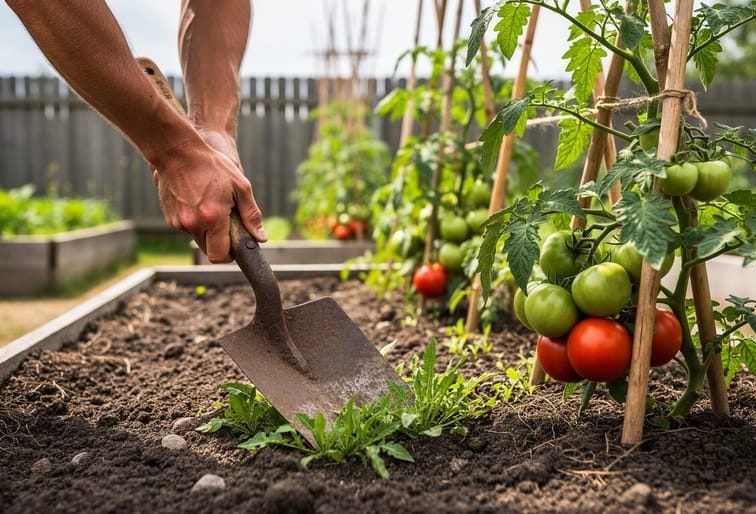

Picture your grandmother’s vegetable patch, rows of tomatoes and beans stretching toward the summer sun, maintained with nothing more than a sturdy hoe and steady hands. That’s hoe gardening, and it’s making a comeback in Canadian communities from Vancouver Island to Nova Scotia. This simple cultivation method centers on using a hoe as your primary tool for soil preparation, weed control, and crop maintenance, creating productive gardens without tillers, complex equipment, or hefty budgets.
The beauty of hoe gardening lies in its accessibility. You don’t need a garage full of power tools or years of experience to grow abundant food. Last spring, Maria from a Toronto community garden told me she’d never grown anything before trying hoe gardening. Within one season, she harvested enough lettuce, carrots, and kale to share with her neighbors, all while building arm strength she didn’t know she had.
This traditional approach connects perfectly with 2026’s shift toward sustainable, low-tech gardening. While others debate which expensive broadfork to buy, hoe gardeners are already planting. You’re working with the soil rather than against it, building healthy earth one careful stroke at a time. The rhythmic motion becomes meditation. The results speak for themselves.
Whether you’re starting your first raised bed or managing a larger plot, hoe gardening offers a proven path forward that honors both tradition and practicality.
What Exactly Is Hoe Gardening?
Hoe gardening is a cultivation method where you rely primarily on your gardening hoe to prepare beds, control weeds, and tend your plants throughout the growing season. Instead of firing up a tiller or grabbing a spade for every task, you use the hoe’s blade to chop through weeds at soil level, create planting furrows, break up crusted topsoil, and mound earth around growing plants. It’s an active, rhythmic approach that keeps you moving through your garden with one versatile tool in hand.
This technique stands apart from fork-and-spade gardening, where you turn soil in large chunks, and from no-till methods that avoid disturbing the earth entirely. Hoe gardening occupies a practical middle ground: you work the top few inches of soil without the heavy lifting of deep digging or the expense of machinery.
Canadian conditions make hoe gardening especially sensible. Our short growing seasons reward quick, efficient weed control, a sharp hoe dispatches seedlings before they compete with your tomatoes or beans. Spring’s unpredictable wet spells often leave soil too muddy for tillers but workable with a hoe once the surface dries. Clay-heavy prairie soils and rocky Atlantic coastal plots both respond well to the hoe’s chopping action, which breaks clods without the back strain of digging.
The method shines in community gardens, where plot sizes suit hand tools and quiet, low-impact techniques keep neighbours happy. You’re not wrestling with extension cords or storing gas cans, just you, your hoe, and the satisfying scrape of blade against earth.
Why Hoe Gardening Works Wonders in Community Gardens
Walk into any community garden plot in Canada and you’ll spot the difference: hoe gardeners aren’t wrestling with heavy tillers, hauling extension cords, or spending hundreds on motorized equipment. They’re simply working the soil with a single tool, getting results that rival any high-tech approach.
Hoe gardening thrives in shared spaces because it levels the playing field. A complete beginner can learn the basic techniques in a single afternoon, and there’s no steep learning curve with machinery or specialized knowledge. You show up with your hoe, and within minutes you’re weeding, loosening soil, or creating planting rows. This accessibility matters enormously in community gardens, where members range from retired folks rediscovering their farming roots to young families trying vegetables for the first time.
The sustainability angle resonates deeply in 2026. Hoes don’t burn fuel, break down, or require parts shipped from overseas. They work silently, so you can garden at dawn without disturbing neighbours. More importantly, hoe gardening aligns with reducing tillage intensity which preserves soil structure and protects the beneficial organisms living beneath your plants. While rototillers churn everything into a homogeneous mess, careful hoe work disturbs only what needs disturbing.
Then there’s the physical benefit. Hoe gardening provides genuine exercise without feeling like a gym session. The rhythmic chopping motion engages your core and arms, the bending and straightening works your legs, and an hour in the garden can rival any cardio workout. Community gardeners consistently report that hoe work keeps them fit and grounded, literally and figuratively.
Perhaps most telling: hoe gardening builds confidence. When you can prepare a bed, control weeds, and maintain your plot with one simple tool, you stop seeing gardening as complicated. You realize you’re capable of growing food without depending on expensive equipment or expert intervention, and that realization transforms how people engage with their plots and their neighbours.
Essential Hoe Gardening Techniques Every Canadian Should Know
The Basic Chop-and-Pull Motion
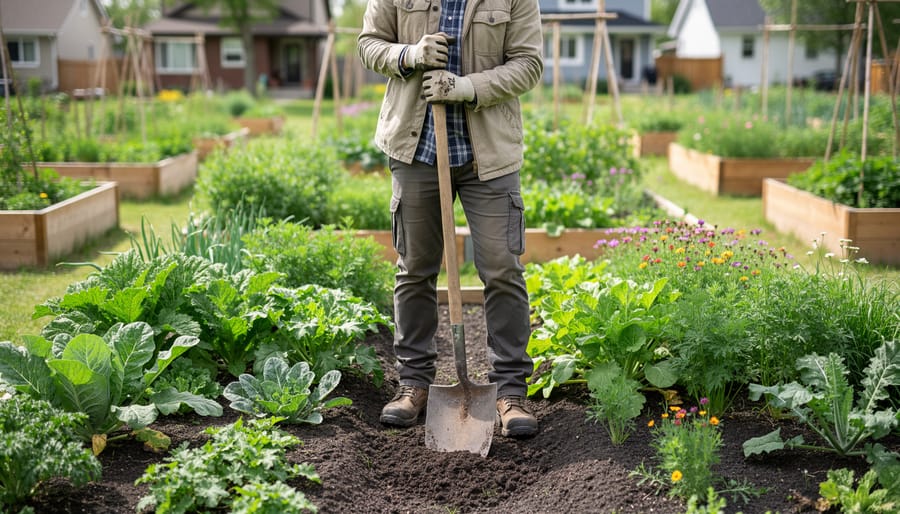
The chop-and-pull is your bread-and-butter hoe gardening move, and once you get the hang of it, you’ll wonder why you ever bent over to hand-pull weeds. Stand with your feet shoulder-width apart, grip the hoe handle comfortably (not white-knuckled), and use a swift downward chop just below the soil surface to sever weeds from their roots. The key is to let the hoe do the work. After the chop, pull the disturbed soil and severed weeds toward you in a smooth dragging motion.
Think of it as a gentle rhythm rather than aggressive hacking. Short, controlled strokes beat wild swinging every time, and you’ll save your back and shoulders. Work backward so you’re not stepping on the area you just cleared. On hot days when the soil’s dry, those chopped weeds will wither in the sun within hours, especially if you leave them root-side up.
If you hit a stubborn root or compacted patch, don’t force it. A few lighter chops usually work better than one massive effort that throws you off balance.
Creating Perfect Garden Rows
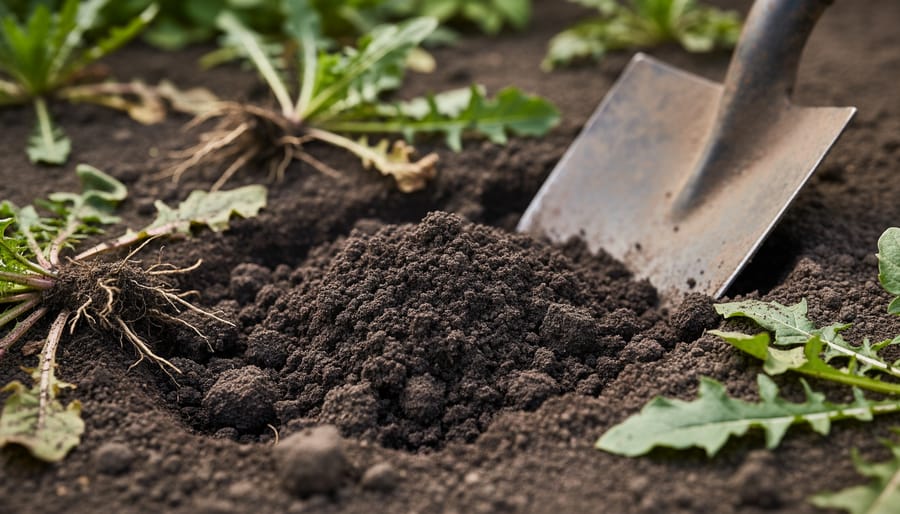
Marking straight, even rows transforms a jumbled garden plot into an organized growing space where seeds actually have room to become plants. Your hoe excels at this job. Stand at one end of your bed, press the hoe blade lightly into the soil, and walk backward while dragging it in a straight line. The blade carves a shallow furrow perfect for dropping in seeds.
For spacing multiple rows, use a measuring stick or simply pace out the distance your crops need. Tomatoes want more elbow room than lettuce. If you’re tight on space or want to grow veggies in front yards where every inch counts, closer rows work fine for greens and radishes.
The beauty of hoe-marked rows shows up strongest in community gardens, where clear lines help everyone respect plot boundaries and make weeding between rows straightforward. You can deepen furrows for larger seeds like beans by making a second pass, or leave them shallow for tiny carrot seeds.
One trick: slightly mound the soil on either side of your furrow as you go. This creates a natural edge that holds water and marks your row even after the first rain.
The Art of Hilling
Hilling is simpler than it sounds. You’re basically drawing soil up around the base of certain plants to give them extra support, protection, or growing space. Potatoes are the classic hilling candidate because those tubers form along the buried stem, so more covered stem means more potatoes. I heap soil around mine every couple of weeks once the plants are about six inches tall.
Tomatoes also love a good hill. Mounding soil around the lower stem encourages additional root development, which means sturdier plants that can support heavy fruit loads. Use your hoe to pull soil from between rows toward the plant base in gentle sweeps. Don’t bury the leaves, just the stem.
The rhythm is satisfying: a few angled chops to loosen the soil, then a pulling motion to build your mound. This traditional hoe gardening technique also smothers weeds trying to creep close to your plants, giving you two benefits in one pass.
Choosing Your Hoe: From Handcrafted Treasures to Practical Workhorses
Walking into a garden center or browsing online hoe options can feel overwhelming. You’ll find everything from sleek modern designs to beautifully crafted pieces that look like they belong in a museum. Here’s the truth: the best hoe for you is the one you’ll actually use, and that depends more on your comfort and budget than anything else.
If you’re drawn to craftsmanship and want a tool that feels special every time you pick it up, handcrafted options offer something beyond function. Artisan-made hoes with handturned walnut handles run around $87 and bring a sense of connection to gardening traditions. These pieces feel balanced in your hands and age beautifully. But before you think you need to invest big, know that a $15 hardware store hoe can serve you just as well once you master the technique.
| Hoe Type | Best Uses | Beginner-Friendly? |
|---|---|---|
| Stirrup/Scuffle Hoe | Surface weeding, minimal soil disturbance | Very (push-pull motion is intuitive) |
| Draw Hoe | Chopping weeds, creating furrows, hilling | Moderate (requires learning proper swing) |
| Warren Hoe | Tight spaces, precision work between plants | Moderate (pointed blade takes practice) |
What matters most is weight and handle length. A hoe should feel comfortable when you’re standing upright, not hunched over. Test the weight by holding it at arm’s length. If it feels heavy after ten seconds, it’ll exhaust you after ten minutes of work. Handle length should let you work without bending your back, similar to how you’d choose the right garden pots based on your space and needs rather than just appearance.
Community gardeners often start with whatever hoe they inherit or borrow, and that’s perfectly fine. Maria from our Ottawa plot learned hoe gardening techniques with a basic draw hoe her neighbor lent her. Three seasons later, she still uses that same tool. The worn wooden handle and nicked blade tell the story of countless weeding sessions and furrow-making afternoons.
Your technique will improve regardless of which hoe you choose. Start with what fits your budget, focus on learning the motions, and upgrade later only if you feel limited by your current tool.
Community Voices: Hoe Gardening Stories from Across Canada
Marina from Edmonton still laughs about the day she attended a community garden workshop and realized she’d been fighting her hoe instead of working with it. “I was muscling it like I was chopping firewood,” she says. “Once someone showed me the smooth slice-and-pull rhythm, everything clicked. Now I can weed my entire plot in twenty minutes while my neighbour fires up his noisy tiller.”
Her experience mirrors what’s happening in community gardens from Vancouver to Halifax. Educational sessions on traditional growing techniques have sparked renewed interest in hoe gardening. Workshops covering row cultivation and hand-tool methods give gardeners hands-on practice with techniques their grandparents knew instinctively.
Tom, who gardens in a shared plot in Mississauga, discovered hoe gardening through his plot neighbour, an 78-year-old retired farmer. “She used this beautiful old hoe with a worn wooden handle and made it look effortless. She didn’t lecture me about my rototiller, just quietly worked her rows while I wrestled with engine pull-cords and gas cans. Eventually, I asked if I could try her method.” He’s now a convert who’s introduced three other gardeners to the approach.
What stands out in these stories is how hoe gardening creates teaching moments. Unlike power equipment that isolates you behind noise and exhaust, working with a hoe lets you chat, demonstrate, and share tips with neighbours. Sarah from a Kitchener community garden puts it simply: “My hoe doesn’t drown out conversation. I’ve learned more about gardening in one season of hand cultivation than in five years of doing everything the hard way.”
Making Hoe Gardening Part of Your Sustainable Practice
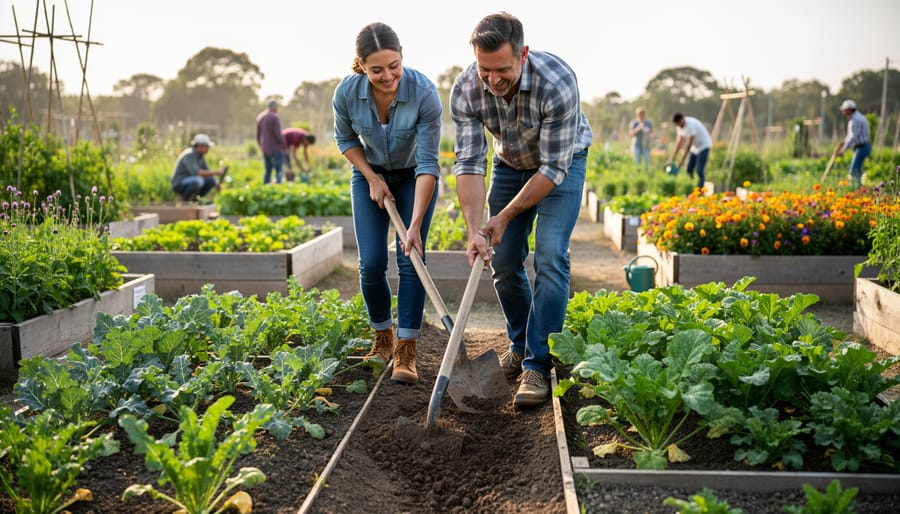
When you trade a gas-powered tiller for a simple hoe, you’re making a choice that ripples through your garden and beyond. Hoe gardening fits beautifully into the low-impact movement gaining momentum across Canadian gardens in 2026, where quieter tools and gentler methods are replacing the roar of engines.
Every time you reach for your hoe instead of firing up machinery, you’re eliminating fuel consumption and exhaust emissions from your gardening routine. But the sustainability benefits run deeper than avoiding gas. The hoe allows you to work the top layer of soil without the aggressive disruption that tillers cause to soil structure, beneficial microorganisms, and earthworm populations. You’re cultivating with precision rather than obliterating everything in your path.
There’s physical sustainability, too. Hoe gardening builds genuine fitness through functional movement, bending, reaching, and rhythmic motion that strengthens your core and keeps you connected to the work. It’s garden time that doubles as exercise, no gym membership required.
The quietness matters more than you might think. When your garden isn’t dominated by engine noise, you can hear birds, chat with neighbours over the fence, and actually enjoy the peaceful aspects of growing food. This same mindful approach that guides hoe gardening connects naturally with other sustainable practices like smart garden irrigation tools that conserve water and organic lawn care in fall that protects soil health year-round.
Your hoe becomes part of a larger commitment to gardening that works with nature rather than dominating it through brute force and fossil fuels.
So here’s the beautiful truth about hoe gardening: you already have everything you need to start. Whether you’re working a tiny community plot or a backyard bed, this method meets you exactly where you are. Your first attempts might feel awkward, and that’s perfectly normal. Every experienced gardener once stood in their plot wondering if they were holding the hoe correctly.
The rhythm comes with practice. The satisfaction builds with each cleared row. And the connection to generations of gardeners who’ve worked this way before you? That arrives the moment you make your first clean chop through the soil.
We’d love to hear how hoe gardening works in your garden. What surprised you? What clicked? Your story might be exactly what encourages another beginner to pick up their hoe and give it a try. After all, that’s how gardening wisdom travels best, from one gardener to another, one season at a time.
This time-tested method is waiting for you. Your garden is ready. And honestly? So are you.