
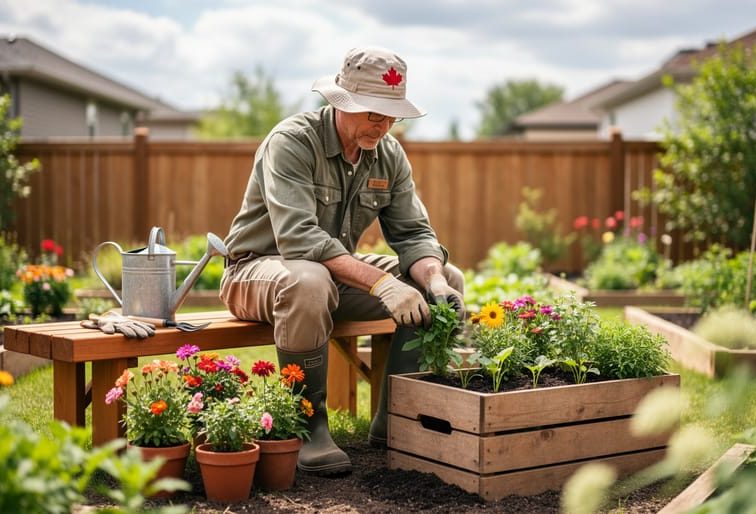

Leisure gardening means tending plants primarily for joy, relaxation, and personal fulfillment rather than maximum yield or perfection. It’s a growing movement across Canada where gardeners of all skill levels give themselves permission to slow down, experiment freely, and embrace gardening as a restorative hobby instead of a high-pressure project with rigid rules.
This approach transforms your relationship with the garden. Instead of stressing over weeds or comparing your tomato harvest to someone else’s, you focus on what brings you pleasure: the scent of herbs on your fingers, the satisfaction of watching seedlings emerge, or simply spending quiet time outdoors. Many Canadian gardeners discovered this mindset during the past few years when home gardens became personal sanctuaries, and the shift has stuck.
The beauty of leisure gardening lies in its flexibility. You might dedicate twenty minutes on a Sunday morning to deadheading flowers, or you might lose an entire afternoon experimenting with container combinations. There’s no scorecard. Beginners find this especially freeing because the pressure to “do it right” disappears, replaced by curiosity and experimentation.
Community gardens across the country have embraced this philosophy too, creating spaces where neighbours share seeds, swap stories, and celebrate small victories together. Sustainable practices fit naturally into leisure gardening because when you’re not racing toward production goals, you can take time to compost properly, attract pollinators, and nurture soil health at a comfortable pace. The garden becomes a place to breathe, not another item on your to-do list.
What Makes Leisure Gardening Different
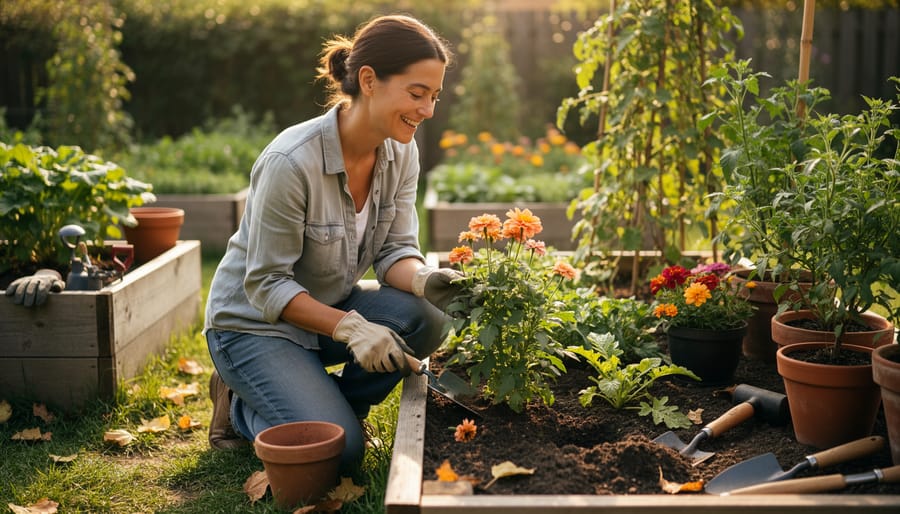
Leisure gardening is gardening for the sheer pleasure of it. There’s no harvest quota to meet, no Instagram-worthy aesthetic to maintain, and no pressure to follow someone else’s rules about what makes a garden “successful.” If you’ve ever planted something just because you love the colour, or spent an afternoon deadheading roses simply because it felt meditative, you’ve already experienced leisure gardening.
What sets this approach apart is its fundamental shift in purpose. Subsistence gardening focuses on growing food to eat or preserve. Competitive gardening chases ribbons at flower shows or the biggest pumpkin at the fair. Strict permaculture follows ecological principles with careful planning and specific techniques. These are all valid ways to garden, but leisure gardening asks a different question: does this make me happy?
In practice, leisure gardening looks refreshingly varied. One gardener might spend Sunday mornings watering their collection of mismatched containers on the balcony, enjoying the quiet ritual with coffee in hand. Another might cultivate a patch of wildflowers specifically to watch bees and butterflies, with no plan beyond creating that small ecosystem. Someone else might grow tomatoes not because they need the harvest, but because they love the smell of the plants and the satisfaction of watching something thrive under their care.
The pace is entirely personal. You can garden for twenty minutes or two hours. You can let the weeds grow if pulling them feels like a chore that day. You can change your mind mid-season, try something new on a whim, or abandon a project that stops being fun. The garden serves you, not the other way around.
This freedom from obligation is precisely what makes leisure gardening different, and for many Canadians in 2026, exactly what they need.
The Surprising Benefits of Gardening for Pure Pleasure
When you strip away the pressure to produce perfect tomatoes or maintain pristine flower beds, something remarkable happens: gardening transforms from a task list into a genuine source of joy and restoration. The mental health benefits alone make a compelling case for leisure gardening, with research consistently showing that time spent nurturing plants reduces cortisol levels and eases symptoms of anxiety and depression.
Sarah Chen, a Toronto teacher who joined her neighbourhood community garden in 2025, describes her weekend gardening sessions as “cheaper than therapy and more effective.” She doesn’t track yields or compete for the best harvest. Instead, she focuses on the tactile pleasure of working with soil, the satisfaction of watching seedlings emerge, and the quiet mindfulness that comes from weeding at her own pace.
This freedom from performance pressure creates space for genuine mindfulness. Unlike meditation, which some find frustratingly abstract, gardening offers concrete, sensory engagement, the warmth of sun on your shoulders, the earthy scent of fresh compost, the vibrant colours of blooming flowers. You’re present in the moment not because you’re trying to be, but because the work naturally draws you in.
The physical benefits arrive gently, without the intimidation of a gym. Digging, planting, and light weeding provide moderate exercise that builds strength and flexibility without strain. Many leisure gardeners report improved sleep, better mobility, and the simple pleasure of moving their bodies outdoors. It’s exercise that doesn’t feel like exercise.
Perhaps most surprisingly, leisure gardening opens doors to meaningful social connections. When you’re not worried about impressing anyone with your garden’s productivity, you’re free to share honestly, your experiments, your failures, your small victories. Community gardens across Canada are seeing more members who come primarily for the social experience and sustainable practices rather than the vegetables.
Mark Dubois, a retired electrician from Winnipeg, found his community through a local leisure gardening group. “Nobody judges if your carrots are crooked or your flowers aren’t magazine-worthy,” he explains. “We share seeds, swap stories, and genuinely enjoy each other’s company. That connection matters more than any harvest.”
How to Start Your Leisure Gardening Journey
Starting your leisure gardening journey means giving yourself permission to garden on your own terms. The first decision isn’t what to plant, it’s what genuinely excites you. Maybe you’ve always wanted fresh basil for summer cooking, or perhaps you’re drawn to cheerful sunflowers nodding in the breeze. Start there, with whatever makes you smile.
The beauty of leisure gardening is that you can begin incredibly small. A single container on your balcony counts. Three herbs on a sunny windowsill counts. You don’t need a full yard transformation or a season’s worth of planning. Pick one tiny project that sounds fun, not daunting. If you’re curious about flavors, start herb gardening with a few pots of basil, mint, and parsley. If color feeds your soul, grab a container and fill it with petunias or marigolds.
Here’s a gentle roadmap for taking those first steps:
- Choose one thing that genuinely excites you, a favorite herb, a flower you love, or vegetables you’d actually eat.
- Start with just one small area: a single container, a corner of your yard, or even a windowsill.
- Gather basic supplies without overthinking it, a pot, some soil, seeds or starter plants, and a watering can will get you going.
- Set a relaxed schedule that fits your life, even if it’s just ten minutes twice a week to water and observe.
- Give yourself explicit permission to learn through trial and error; nothing you plant is a test you can fail.
Resist the urge to research endlessly before you begin. You’ll learn more from one season of hands-on experience than from hours of reading. Your first tomato plant might produce three tomatoes instead of thirty, and that’s perfectly fine. Those three will taste better than any from the store because you grew them for pleasure, not performance.
Container gardens are particularly forgiving entry points. They’re self-contained, movable, and easy to manage. You can experiment with different spots until you find the right light, and if something doesn’t thrive, you haven’t committed your whole yard to it. A kitchen herb corner offers instant gratification, snip fresh herbs for dinner within weeks of planting.
If you’re feeling ambitious, a small flower bed with low-maintenance perennials gives you something beautiful that returns year after year without replanting. Choose hardy options like daylilies, black-eyed Susans, or hostas that forgive occasional neglect. Once established, many perennials are remarkably self-sufficient, and you can even learn to overwinter perennials for continued enjoyment.
The secret is this: start with what brings you joy, not what you think you should grow. Your leisure garden exists to serve you, to give you a reason to step outside and breathe deeply, to offer you something green and growing in a world that often feels demanding. That’s enough.
Creating Your Personal Leisure Garden Space
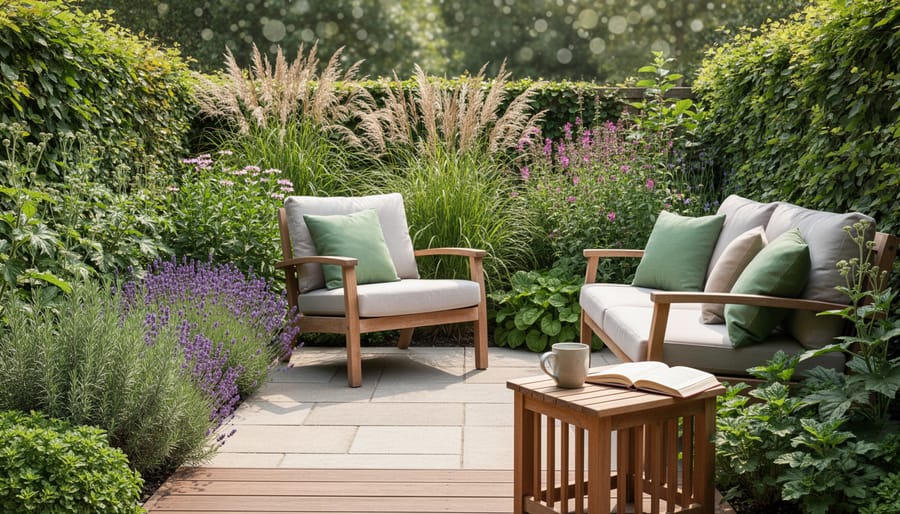
Your leisure garden should feel like a retreat, not another task on your to-do list. Start by thinking about what brings you joy rather than what you think a garden “should” look like.
A comfortable seat changes everything. Position a weathered bench under a tree, tuck a chair between plantings, or create a simple patio corner where you can sit with your morning coffee. The point is to have a spot where you can pause and actually enjoy what you’re growing. Some Canadian gardeners add a small side table for their tea or journal, turning the garden into an outdoor room.
Layer in plants that engage your senses without demanding constant attention. Fragrant herbs like lavender, lemon balm, and mint release scent when you brush past them. Lamb’s ear and ornamental grasses offer soft textures worth touching. For sustained colour with minimal fuss, explore perennial border ideas featuring hardy choices like coneflowers, black-eyed Susans, and daylilies that return year after year.
Pollinator-friendly flowers like bee balm, catmint, and native wildflowers bring movement and life to your space while supporting local ecosystems. Watching bees and butterflies work through blooms becomes its own form of meditation.
Containers offer flexibility and ease, especially if you’re still figuring out your style. Try container design tips to create moveable focal points you can rearrange as your preferences shift. Group pots of different heights together, or scatter them where you need a splash of colour.
Add personal touches that make the space yours: a found stone collection, a simple bird bath, wind chimes, or recycled garden art. Mulch your beds with wood chips or shredded leaves to suppress weeds naturally and reduce watering needs. Choose native plants when possible since they thrive with less intervention.
Your leisure garden grows with you, adapting to your energy levels and interests rather than demanding perfection.
Connecting with the Leisure Gardening Community
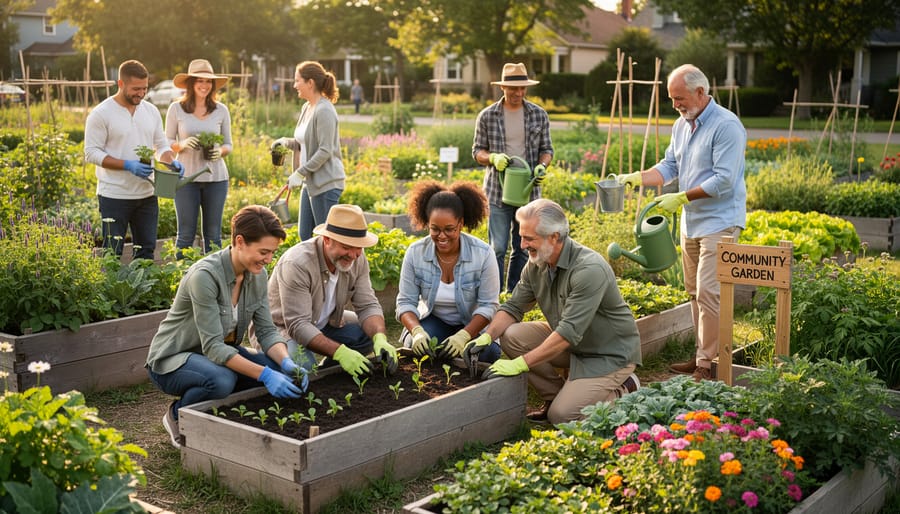
One of the quietest joys of leisure gardening is discovering you’re not alone in your approach. Across Canada, gardeners who prioritize pleasure over perfection are finding each other in local groups, community gardens, and online spaces where the focus is on shared experiences rather than competition or expertise.
Local garden clubs have traditionally felt intimidating to casual gardeners, but many are shifting toward a more welcoming model. Look for groups that emphasize social time, plant swaps, and shared learning rather than formal meetings or rigid standards. Community gardens offer another entry point, where you can claim a small plot without the pressure to maximize yields or maintain a showpiece space. Many of these gardens have become gathering spots where neighbours trade seedlings, troubleshoot problems together, and celebrate small successes like the first tomato or a surprise bloom.
Online communities have also become vital for leisure gardeners, especially during seasons when outdoor time is limited. Regional Facebook groups, gardening forums, and Instagram accounts let you share photos of your messy, beautiful, experimental plots without judgment. You’ll find people celebrating crooked carrots, asking basic questions without embarrassment, and posting about their garden’s quiet moments rather than its productivity.
The real value isn’t just in the tips you’ll gather, though those help. It’s in the permission these connections provide: to garden slowly, to try and fail, to focus on what brings you joy rather than what impresses others. When you find your people, leisure gardening stops feeling like a solitary quirk and starts feeling like a movement.
Leisure gardening isn’t about checking boxes or meeting standards someone else set. It’s about rediscovering what made you curious about plants in the first place, or finding that curiosity for the very first time. Whether you’re tending three pots of herbs on a balcony or wandering through a backyard bed with no agenda beyond seeing what bloomed today, you’re already doing it right.
The beauty of this approach is that it grows with you. Some days you’ll want to dig in the soil for an hour. Other days you’ll just step outside with your coffee and admire the pollinators visiting your flowers. Both count. Both matter. And both connect you to something larger than yourself, whether that’s the natural rhythms of the seasons, the neighbor who stops to chat about your garden, or the community of gardeners across Canada who are choosing joy over judgment.
As we move through 2026, more people are realizing that gardening doesn’t need to be another source of pressure. It can be the thing that brings you back to yourself. Start with what excites you, even if it seems small or unconventional. Plant something you find beautiful. Try something you’ve always wondered about. Give yourself permission to learn slowly, make mistakes, and simply enjoy the process.
Your leisure garden is waiting, and it doesn’t need to be perfect to be yours.


