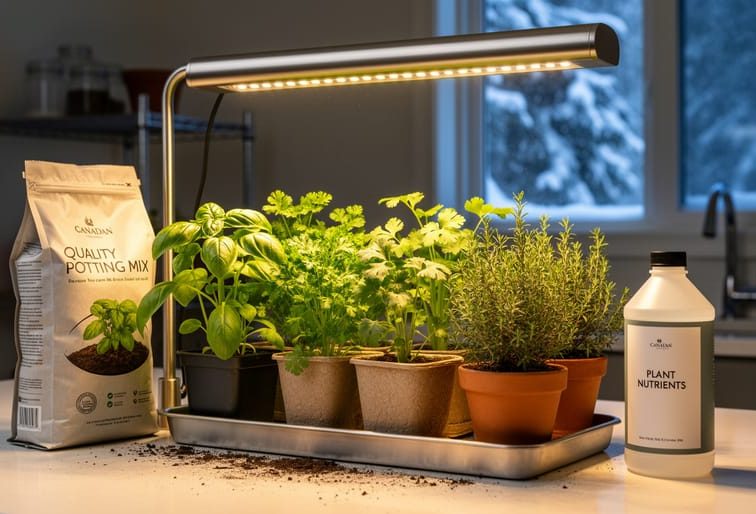

Getting started with indoor gardening requires just five essential supply categories: grow lights, containers with drainage, quality potting mix, nutrients, and climate control tools. Together, these supplies create a self-contained growing environment that lets Canadian gardeners harvest fresh herbs, greens, and vegetables year-round, regardless of what’s happening outside your window.
The Canadian indoor gardening community has grown dramatically over the past few years, and for good reason. Winter stretches six months or more in many regions, making indoor cultivation not just convenient but genuinely practical. Whether you’re growing fresh basil on a kitchen counter in January or nurturing tomato seedlings in a basement setup, the right supplies transform any indoor space into productive growing area.
The most common mistake beginners make is assuming you need expensive, complex systems to succeed. You don’t. The AeroGarden Bounty proves this point, offering a beginner-friendly starting point that handles lighting and watering automatically. Many experienced growers in our community actually started with basic supplies from hardware stores: shop lights, plastic containers, and standard potting soil. They gradually upgraded as their confidence and plant collection expanded.
What matters most is matching your supplies to your goals. Growing a few herbs for cooking demands different equipment than cultivating dozens of seedlings or maintaining a year-round salad garden. Some growers prioritize compact systems that fit on countertops, while others convert spare rooms into full production spaces. The beauty of indoor gardening lies in this flexibility.
This guide breaks down exactly which supplies you truly need, compares the main system types available in 2026, and helps you avoid the costly mistakes that trip up newcomers. You’ll learn what to buy first, what can wait, and how to make smart choices that grow with your skills. Indoor gardening isn’t about replicating outdoor conditions perfectly. It’s about creating a controlled environment where plants thrive and you enjoy fresh harvests all year long.
What You Need to Know Before Buying Indoor Gardening Supplies
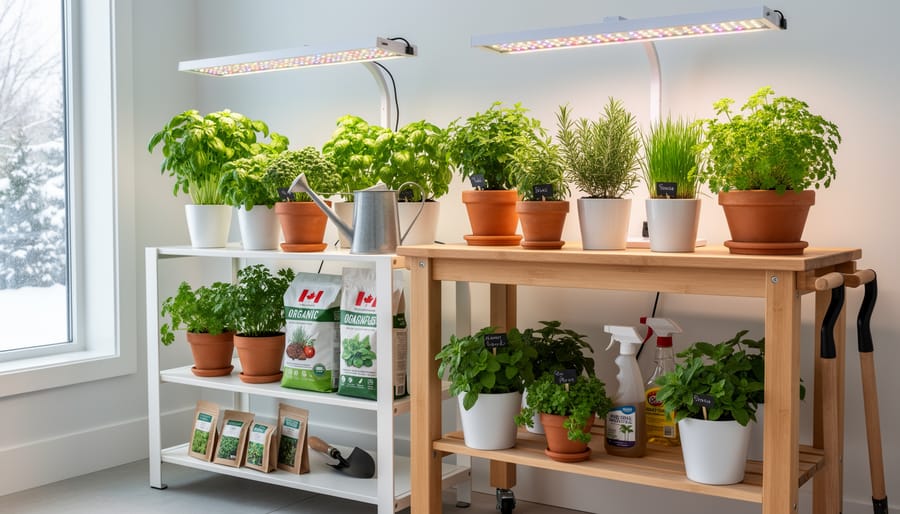
Before you invest in any indoor gardening system or supplies, you need to think about five fundamental factors that will make or break your growing success. These considerations matter even more for Canadian growers, where our unique climate and market conditions create specific challenges and opportunities.
Space is your first constraint. Measure your available area carefully before falling for a beautiful tower garden that won’t fit your apartment. Countertop herb gardens like the AeroGarden Bounty work in tight spaces, while vertical systems such as the Just Vertical EVE Tower Garden need floor space and ceiling clearance. Consider not just the footprint but also access for maintenance, you’ll need to reach plants, add water, and harvest regularly.
Lighting requirements vary dramatically by system type. Hydroponic systems with built-in LED grow lights handle this for you, but they’ll increase your electricity bill. If you’re supplementing natural light with separate grow lights, factor in both the upfront cost and ongoing power consumption. Canadian winters mean less natural light for longer periods, making quality artificial lighting essential rather than optional.
Budget extends beyond the initial purchase. Entry-level systems start around $177 for the AeroGarden Bounty, while premium options like the Gardyn Home 4.0 reach $899. Don’t forget recurring costs: seed pods, nutrients, electricity, and subscription services that some systems require for full functionality. The Gardyn Home 4.0, for example, works best with its subscription service, adding monthly fees on top of the purchase price.
Automation versus hands-on involvement is a personal choice. Some growers love the monitoring and adjusting process, while others want to add water occasionally and harvest herbs. Fully automated systems handle pH, nutrients, and lighting schedules through apps, but they cost more and lock you into specific products. Manual systems give you control and flexibility but demand more knowledge and attention.
Canadian considerations matter more than you might expect. Shipping costs and times from U.S. retailers can surprise you, look for Canadian suppliers or retailers with reasonable cross-border shipping. Heating costs in winter affect your growing environment, and you may need to adjust placement away from cold windows. Some systems like the Vegehome Jardin ship within 48 hours, minimizing the wait, while others involve longer delivery times that can stress plants during cold weather transit.
Types of Indoor Gardening Systems Compared
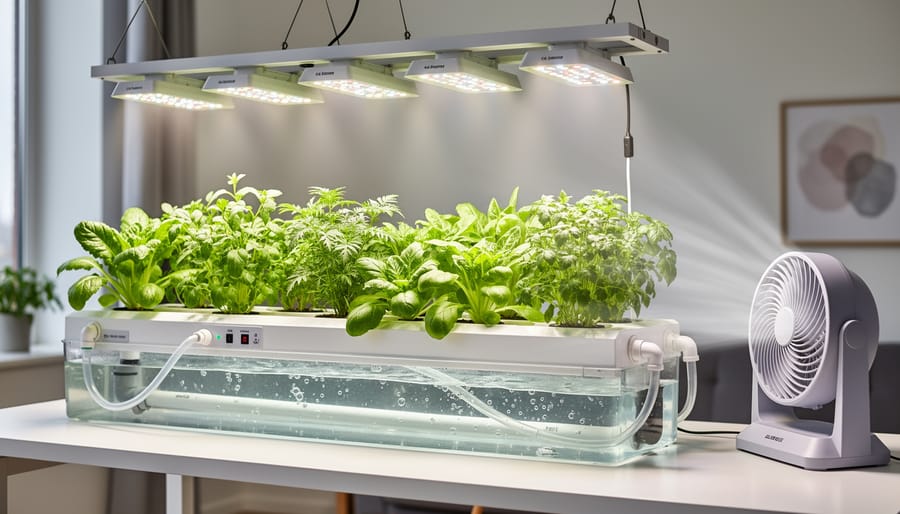
Indoor gardening systems have evolved far beyond a pot on a windowsill, and understanding the main types will help you choose supplies that match your goals and space.
Hydroponic systems grow plants in nutrient-rich water without soil. Water circulates through the roots on a schedule, delivering nutrients directly. These systems range from compact countertop models to multi-tier towers. They’re ideal for people who want faster growth, cleaner setups, and don’t mind the initial learning curve of managing water pH and nutrient levels. Most hydroponic systems include built-in grow lights, pumps, and reservoirs, you’ll mainly need to stock up on nutrients and replacement pods or growing media. They work well in apartments and homes where you want a self-contained setup.
Countertop herb gardens are a subset of hydroponics designed specifically for culinary herbs. These compact systems typically hold three to nine pods and fit on kitchen counters. They’re perfect for cooks who want fresh basil, parsley, and cilantro within arm’s reach. The Auk Mini at $259 targets this niche, offering focused functionality rather than trying to grow everything. These systems need less monitoring than larger hydroponic setups, but you’ll still purchase nutrient packs and pods regularly.
Tower gardens grow plants vertically in stacked layers, maximizing yield in a small footprint. They can be hydroponic or use soil-based growing media in vertical pockets. Towers suit gardeners with limited floor space but decent vertical clearance, think corners of living rooms or spare bedrooms. The trade-off is height: some towers reach five or six feet. You’ll need a stable base, adequate lighting (often sold separately), and enough headroom.
Traditional container setups let you design with containers using soil, pots, and separate grow lights. This approach offers the most flexibility, you choose your containers, soil mix, and plants. It’s budget-friendly to start, and you probably already own some supplies. Containers work for gardeners who enjoy hands-on care, don’t mind watering schedules, and want full control over their setup. You’ll need quality potting mix, drainage trays, and supplemental lighting if your indoor space lacks bright windows.
| System Type | Best For | Price Range | Space Needed | Maintenance |
|---|---|---|---|---|
| Hydroponic Systems | Faster growth, clean setup | $177, $899 | Counter to floor | Medium (water, nutrients) |
| Countertop Herb Gardens | Culinary herbs, convenience | $150, $300 | Small counter space | Low (pods, nutrients) |
| Tower Gardens | Vertical growing, high yield | $300, $600 | Vertical (5-6 feet) | Medium (watering, nutrients) |
| Container Setups | Flexibility, budget-friendly | $50, $200+ | Variable | High (soil, watering) |
Each system demands different supplies. Hydroponic and countertop gardens need nutrient solutions and replacement pods. Towers require growing media refills and potentially separate lighting. Container setups call for quality soil, fertilizers, and supplemental lights if natural light is insufficient. Knowing which type aligns with your lifestyle and space will narrow down the supplies you actually need to buy.
Our Top Recommendations for 2026
We’ve tested and researched dozens of indoor gardening systems to identify options that work for Canadian growers at different experience levels and budgets. Our selections range from $177 to $899, covering everything from compact herb-focused units to full hydroponic systems that can feed a household. Each recommendation balances performance, ease of use, and value, not just flashy features that sound impressive but don’t deliver results.
Our featured picks address three core needs: beginners who want guaranteed success without complexity, space-conscious gardeners who need compact solutions, and experienced growers ready for larger yields. We’ve prioritized systems with strong Canadian availability and considered factors like electricity costs during our long winters, shipping realities, and whether ongoing subscriptions make sense for your budget. You’ll also find brief mentions of other solid systems that didn’t quite make our top tier but offer specific advantages worth considering depending on your situation.
AeroGarden Bounty: Best Starting Point for New Indoor Gardeners

The AeroGarden Bounty hits a sweet spot for anyone taking their first steps into indoor growing. At $177, it delivers everything you need to start growing herbs, lettuces, and small vegetables without the confusion that can derail beginners. WIRED named it Best for Beginners in their 2026 roundup for good reason: you can have it up and running in under 15 minutes, even if you’ve never grown anything indoors before.
The system’s LED grow light automatically adjusts to give your plants the right amount of light as they grow taller, reaching up to 24 inches. WiFi connectivity and Alexa compatibility mean you can check on your garden from anywhere and get reminders when it’s time to add nutrients or water, helpful when you’re still learning the rhythm of indoor growing. The control panel walks you through each step with plain-language prompts, so you’re never guessing what to do next.
Here’s what you get in the box:
- Full-spectrum 50-watt LED grow light with adjustable height
- 9-pod growing capacity for simultaneous harvests
- Pre-seeded pods with herbs or vegetables (your choice when ordering)
- Liquid nutrients for a full growing season
- Pump and circulation system that oxygenates roots automatically
The system typically ships within three to four days and has earned a 4.3 out of 5 rating from 491 customers who appreciate its straightforward approach. Setup involves filling the water reservoir, inserting the pods, adding nutrients, and plugging it in, no assembly, no complicated calibration, no prior knowledge required.
You’ll thrive with the Bounty if you want fresh herbs for cooking without the learning curve of managing pH levels, lighting schedules, or nutrient ratios manually. The system handles those details while you focus on choosing what to grow and watching it happen. Expect your first harvests in about three weeks for fast-growing herbs like basil, with most crops producing continuously for months once established. The WiFi alerts keep you from forgetting waterings during busy weeks, which is often what trips up new indoor gardeners.
Auk Mini: A Focused Herb Garden for Small Spaces
The Auk Mini carves out a clear niche in the indoor gardening market by refusing to be everything to everyone. At $259, this compact system targets people who want one thing done exceptionally well: fresh herbs on their countertop, year-round. If you’re picturing yourself snipping basil for pasta or cilantro for tacos straight from your kitchen, this focused approach might be exactly what you need.
What makes the Auk Mini different from broader systems is its deliberate specialization. While systems like the AeroGarden Bounty or Gardyn aim to grow everything from lettuce to peppers, the Auk Mini concentrates on herbs, plants that thrive in smaller footprints and don’t need deep root systems or massive light output. This specialization translates to a truly compact design that fits where larger systems simply can’t, whether that’s a narrow kitchen counter, a small apartment kitchen, or even a dorm room.
The trade-off is straightforward: you won’t be growing tomatoes or experimenting with leafy greens in this system. If your goal is variety or feeding a family, you’ll outgrow it quickly. But for someone who primarily cooks with fresh herbs, buys $4 basil packages that wilt in the fridge, or simply doesn’t have space for a larger system, that trade-off isn’t really a compromise at all.
This system shines for renters with limited space, cooks who use herbs daily, or anyone testing indoor gardening without committing to a full hydroponic setup. It’s for the person who knows exactly what they want and appreciates a tool designed specifically for that purpose, rather than a jack-of-all-trades that might underwhelm across multiple categories.
The Grow Depot: Your Canadian Indoor Gardening Supply Partner
Shopping with a Canadian retailer like The Grow Depot offers distinct advantages when you’re building your indoor garden setup. You’ll avoid the frustration of delayed cross-border shipments, surprise customs fees, and the hassle of dealing with international returns if something doesn’t work out. Canadian suppliers understand what works in our climate and can recommend products that perform well in lower winter light conditions and drier indoor air caused by heating systems.
The Grow Depot carries everything from complete hydroponic systems to individual components for customizing your setup. You’ll find LED grow lights designed for Canadian electrical standards, nutrients formulated for various growing methods, pH testing equipment, growing media options, and replacement parts for popular systems. This comprehensive selection means you can start with a basic setup and expand gradually without switching suppliers as your confidence grows.
Beyond products, Canadian retailers typically offer support tailored to our growing conditions. They understand questions about managing indoor gardens during our long winters, dealing with dry furnace heat, and timing seed starts for outdoor transplanting in different Canadian zones. Many facilitate community connections among local indoor gardeners who share similar challenges and solutions.
The convenience extends to practical matters too. Same-country shipping means faster delivery when you need to replace a burnt-out grow light or restock nutrients mid-season. Customer service operates in your time zone, and warranty claims don’t require international shipping. You’re also supporting a business that understands the Canadian indoor gardening community and often participates in local growing events and education efforts.
When you shop Canadian, you’re not just buying supplies, you’re tapping into a network of growers facing the same seasonal light challenges and celebrating the same year-round growing possibilities.
Other Indoor Gardening Systems Worth Considering
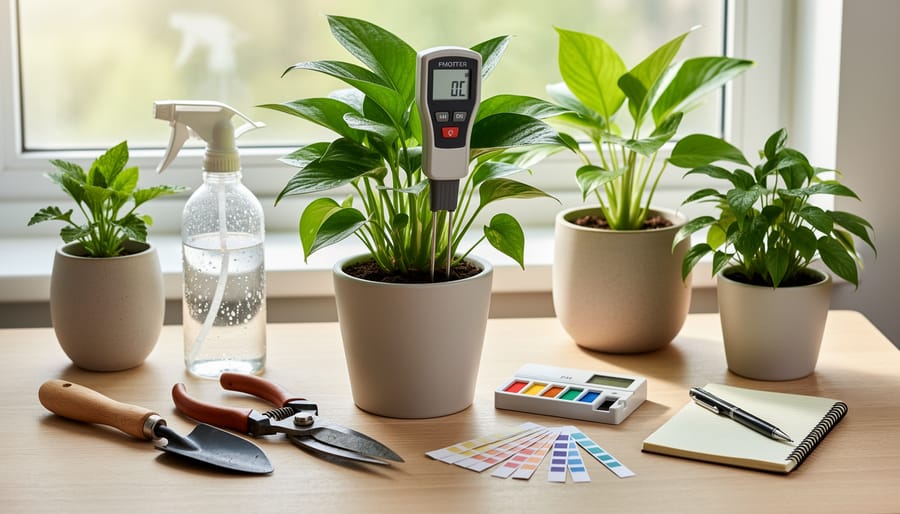
If you’ve narrowed your choices but want to explore a wider range, these systems each bring something distinct to Canadian indoor growers, from award-winning tech to space-saving designs.
The Gardyn Indoor Hydroponic Garden earned WIRED’s “Best Overall” title for 2026 at $449. It balances automation with capacity, making it a solid middle ground if you want more growing space than countertop models but aren’t ready to commit to premium subscription features. Think of it as a step up in both footprint and capability without the luxury price tag.
For those who view their indoor garden as decor as much as function, the Lettuce Grow Farmstand is what WIRED calls “a garden that’s also a statement piece.” Normally $574, it’s currently on sale at $459 directly from Lettuce Grow. The vertical tower design creates visual impact in kitchens or living areas, and it’s worth considering if aesthetics matter as much as harvest.
The Just Vertical EVE Tower Garden solves a different problem: how to grow a lot without dominating your space. At $599 from Best Buy, it’s WIRED’s pick for “least obtrusive large garden.” The slim vertical profile works well in Canadian apartments or condos where floor space is precious but you still want serious growing capacity.
If you’re willing to invest in a premium experience, the Gardyn Home 4.0 sits at $899 with a subscription model that promises “total success with no green thumb required.” It’s the high-tech route, ideal for busy professionals who want guaranteed results and don’t mind ongoing costs for that reassurance. The subscription approach mirrors concepts you’d find in smart garden irrigation tech handles the thinking, you handle the harvesting.
For Canadians seeking quick shipping without the premium features, the Vegehome Jardin starter kit offers a practical entry point. It includes six pods and nutrients, ships within 48 hours, and pods stay fresh up to six months. It’s straightforward year-round growing without complicated setup, and the fast shipping matters when you’re eager to start.
- Gardyn Indoor Hydroponic Garden: Best Overall at $449, balances automation and capacity
- Lettuce Grow Farmstand: Statement piece design, sale price $459 (regularly $574)
- Just Vertical EVE Tower Garden: Least obtrusive large garden at $599, slim vertical profile
- Gardyn Home 4.0: Premium subscription-based system at $899 for guaranteed results
- Vegehome Jardin: Quick-ship starter with 6 pods, ships within 48 hours
Your choice depends on what you prioritize. Space constraints? The EVE tower works. Want design impact? The Farmstand delivers. Need speed and simplicity? Vegehome ships fast. Each serves a specific gardening personality, much like how you’d choose garden pots based on what you’re growing and where it’ll live. Match the system to your actual needs, not just the feature list.
Essential Accessories and Tools Beyond the System
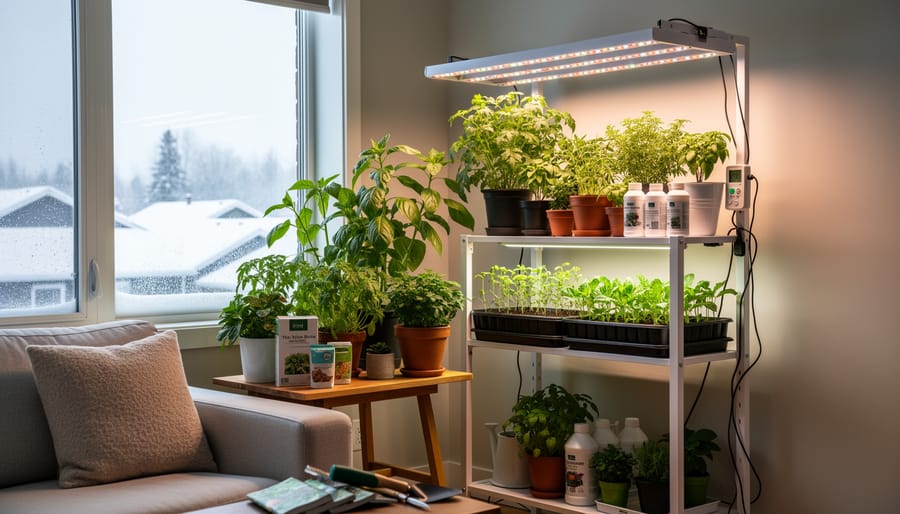
Even the best indoor gardening system works better with a few key accessories. You don’t need everything at once, but building a toolkit as you gain experience helps you troubleshoot problems and optimize growing conditions.
Grow lights make the biggest difference if your system doesn’t include them or if you’re placing plants in a dim corner. Full-spectrum LED lights designed for plants provide the right wavelengths for growth without the heat or energy costs of older bulb types. They’re essential for Canadian winters when natural light drops to just a few hours daily.
Soil moisture meters take the guesswork out of watering, especially for container gardens. Battery-free models work indefinitely, just insert the probe and read the dial. They’re invaluable for beginners who tend to overwater, and for anyone juggling multiple plants with different water needs.
pH testers matter most for hydroponic systems, where nutrient uptake depends on maintaining the right pH range (typically 5.5 to 6.5). Simple liquid drop kits work fine, though multi-function digital testers that measure pH, moisture, and light levels offer convenience if you’re willing to replace batteries.
Nutrients vary by system type. Hydroponic gardens need liquid fertilizers formulated for soilless growing, while container plants do well with balanced organic options. Many systems include starter nutrients, but you’ll need refills as your garden matures.
Containers and growing media expand your options beyond what came with your system. Food-grade containers with drainage holes work for herbs and greens, while specialized media like coconut coir, perlite, or hydroponic clay pellets suit different growing methods. Irrigation tools help automate watering for multiple containers, particularly useful if you travel or maintain several plants.
Start with your system’s basics, then add accessories as specific challenges emerge rather than buying everything upfront.
Common Mistakes to Avoid When Choosing Indoor Gardening Supplies
Every indoor gardener makes a few rookie mistakes, and learning from them is part of the journey. The biggest trap? Falling in love with a system that won’t actually fit your space. Those tower gardens look incredible online, but if you’re measuring countertop space in a small apartment, a compact option like the AeroGarden Bounty makes more sense than a floor-standing unit. Measure twice, fantasize about towering tomato plants once.
Electricity costs sneak up on Canadian growers, especially during our long winters when grow lights run 12-16 hours daily. LED systems cost less to operate than older fluorescent models, but you’re still adding to your hydro bill. Calculate the wattage and estimated monthly cost before you commit, particularly if you’re running multiple systems or dreaming of expanding your setup.
Another common misstep is choosing systems that don’t match your actual commitment level. If you travel frequently or forget to water houseplants, a fully automated hydroponic system makes sense. If you genuinely enjoy the hands-on ritual and want to start herb gardening with more control, a traditional container setup might suit you better. There’s no shame in being honest about how much time you’ll realistically spend tending plants, the best system is the one you’ll actually use consistently.
Finally, Canadian growers sometimes overlook shipping considerations. Cross-border orders can mean delays, customs fees, and higher shipping costs. Shopping with Canadian retailers often means faster delivery, easier returns, and support staff who understand our growing conditions. Your perfect indoor garden should arrive intact and affordable, not stuck at the border.
Making Your Indoor Garden Part of Your Community Story
Your indoor garden isn’t just about the herbs on your kitchen counter or the greens growing under LED lights in your basement. It’s part of a bigger story about how Canadians are reimagining what’s possible when outdoor growing seasons are short and unpredictable.
Think of your indoor setup as your year-round training ground. Many community gardeners use their AeroGarden or tower system to start seedlings in February and March, getting plants weeks ahead before outdoor plots thaw. You’re not replacing community gardening, you’re extending it into every season. That six-week head start on tomatoes or peppers means your community plot produces earlier and longer.
Share what works. When you discover that your basil thrives at a certain light setting or that your lettuce prefers cooler spots away from heating vents, that knowledge helps other Canadian growers facing similar challenges. Local gardening Facebook groups and forums like r/GardenersCanada welcome indoor growing conversations, and you’ll find people eager to discuss everything from electricity costs to which herb varieties taste best from hydroponic systems.
Consider documenting your indoor garden’s progress through photos or a simple journal. When spring arrives and you transplant those healthy seedlings into community beds, you’ll have a story to tell, one that inspires others to bridge the gap between indoor and outdoor growing.
Your countertop herb garden and your community plot aren’t separate hobbies. They’re two chapters of the same commitment to growing your own food, building skills, and connecting with others who share that passion.
Frequently Asked Questions About Indoor Gardening Supplies
Choosing indoor gardening supplies raises practical questions, especially when you’re considering Canadian shipping, budget constraints, and whether you’re ready to commit. Here are answers to the most common questions we hear from gardeners making these decisions.
Do I need special supplies for Canadian winters?
Most indoor gardening systems work great in Canadian winters since you control the environment inside your home. The main consideration is that shorter winter days mean you’ll rely more on your grow lights, which may increase electricity costs slightly, and you’ll want to keep systems away from cold windows or drafty areas.
Can I start with basic supplies and upgrade later?
Absolutely, and many gardeners take this path successfully. Starting with a basic system like the AeroGarden Bounty at $177 lets you learn what works in your space before investing in larger systems, and most supplies like containers, nutrients, and grow lights transfer between setups.
How much do ongoing supplies cost?
Beyond your initial system purchase, expect to spend $10 to $30 monthly on seed pods, nutrients, and growing media, depending on your system size. Electricity for LED grow lights typically adds $5 to $15 per month, and some premium systems like the Gardyn Home 4.0 at $899 require paid subscriptions for full features.
What’s the difference between hydroponic and soil-based systems?
Hydroponic systems grow plants in nutrient-rich water without soil, often producing faster growth and less mess but requiring more attention to water levels and nutrient balance. Soil-based systems use traditional potting mix in containers, feel more familiar to outdoor gardeners, and forgive small watering mistakes more easily.
These questions reflect real concerns from gardeners just like you. The best approach is matching your supply choices to your actual living situation and how much time you want to spend tending your indoor garden. Remember that the Canadian gardening community shares experiences with indoor systems year-round, so you’re not figuring this out alone. Whether you start small with a countertop herb garden or invest in a full hydroponic setup, you’ll find others who’ve walked the same path and can offer practical advice based on real growing conditions.
Choosing the right indoor gardening supplies comes down to honest reflection on your space, your time, and what you actually want to grow. A compact countertop herb garden serves you differently than a tower system, and there’s no shame in starting with a beginner-friendly setup rather than jumping to a premium subscription model. What matters is matching your supplies to your real life, not an idealized version of it.
Canadian growers have a particular advantage here. While our outdoor season has clear limits, indoor gardening flips that script entirely. You can harvest fresh basil in February, start seedlings for your community plot in March, and experiment with greens through December. The year-round possibilities are genuinely liberating.
We’d love to hear how your indoor garden develops. Share your setup, your first harvest, your “I can’t believe that actually worked” moments. Indoor gardening feels solitary at first, but it connects to the same impulse that drives community gardens: the desire to grow something real, to nurture life, and to enjoy the harvest. Whether you’re tending six herb pods on your counter or a full hydroponic tower in your basement, you’re part of a growing community of Canadians who refuse to let winter dictate when we garden.
This page includes affiliate links; purchases made through them may earn us a referral fee. As an Amazon Associate I earn from qualifying purchases.