
Calgary sits firmly in hardiness zone 3b, which means your growing season runs roughly 110 days from late May to early September, with winter lows that can dip below -35°C. This designation isn’t just a number on a map. It shapes every decision you’ll make in your garden, from which tomato varieties will actually ripen before frost to whether that beautiful magnolia you spotted at the nursery stands a chance of surviving until next spring.
Understanding your zone gives you a head start. Sarah Chen, a community gardener in Bridgeland, learned this the hard way after losing three years of fruit tree investments to brutal chinook-followed-by-deep-freeze cycles. “Once I started choosing zone 3 hardy varieties and timing my plantings around our actual last frost date, everything changed,” she says. Her garden now thrives with cold-hardy perennials, short-season vegetables, and strategic season extension techniques.
The zone 3b classification tells you the average annual extreme minimum temperature, but Calgary’s climate throws curveballs that typical zone charts don’t capture. Sudden temperature swings, intense UV exposure at high altitude, low humidity, and unpredictable late spring frosts all demand specific strategies. Smart plant selection matters, but so does understanding your microclimates, building healthy soil that retains moisture in our dry conditions, and embracing sustainable practices like mulching and companion planting that help plants withstand stress. Your Calgary garden can be abundant and beautiful when you work with the zone, not against it.
Understanding Calgary’s Growing Zone
What Zone 3b Actually Tells You
Hardiness zones are gardening shorthand for “how cold does it get here in winter?” Zones reflect minimum temperatures a location typically experiences, helping you predict which plants will survive year after year. Calgary falls primarily into zone 3b, meaning winter lows average between -37°C and -34°C. Some outlying areas dip into zone 3a, where temperatures can reach -40°C.
Natural Resources Canada zone maps calculate these zones using decades of weather data, considering not just minimum temperatures but also frost-free days, summer rainfall, and wind patterns. For Calgary gardeners, the 3b designation is your starting point. It tells you which perennials will come back next spring and which need indoor overwintering.
Here’s what matters in practice: plants labeled hardy to zone 3 or lower will handle Calgary winters without protection. Anything marked zone 4 or higher is a gamble unless you’re willing to mulch heavily, provide shelter, or treat it as an annual.
Calgary’s Unique Climate Challenges and Gifts
Calgary’s climate keeps you on your toes in the best way possible. Those famous Chinooks affect southern Alberta throughout winter, bringing warm winds that can swing temperatures 20°C in hours and melt snow mid-January. They’re unpredictable, sure, but they also give you surprise mid-winter gardening windows and earlier spring starts than you’d expect at this latitude.
The low humidity and intense prairie sun mean plants dry out faster, but they also produce incredibly vibrant blooms and concentrated flavours in vegetables. Calgary gardeners grow some of the sweetest carrots and most brilliant coneflowers you’ll find anywhere. The wild temperature swings between day and night actually benefit certain crops, brassicas develop better flavour, and many perennials toughen up beautifully.
Yes, the growing season runs short, typically 110-120 frost-free days. But those long summer days pack serious productivity. With nearly 16 hours of daylight in June, plants photosynthesize like crazy. You’ll harvest more in three months here than many gardeners get in five elsewhere. It’s not about fighting the climate, it’s about partnering with it.
What Grows Well in Zone 3 Calgary Gardens
Vegetables That Love Calgary’s Climate
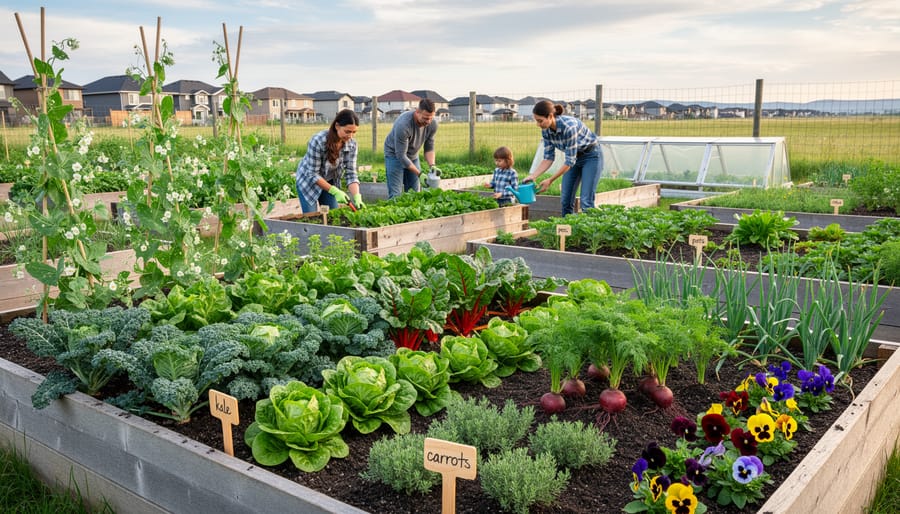
Calgary’s short but intense growing season favors vegetables that can handle cool spring soil and occasional late frosts. Root vegetables thrive here, carrots, beets, and potatoes appreciate the cool nights and develop exceptional sweetness when exposed to light frost. Plant carrots in mid-May for a July harvest, or direct-seed in early July for sweet fall crops that store beautifully through winter.
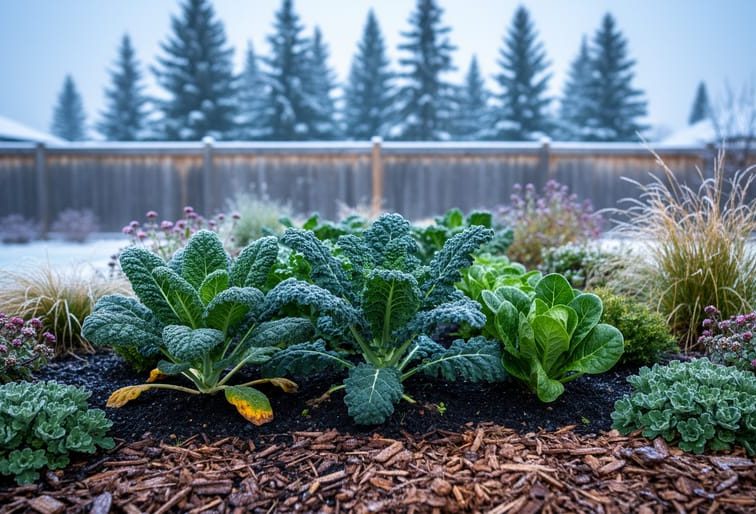
Brassicas are zone 3 champions. Kale, broccoli, cabbage, and Brussels sprouts actually prefer Calgary’s climate to hotter regions. They mature quickly in our long summer days and taste sweeter after a frost. Many Calgary gardeners start broccoli indoors in March, transplant in early May, and harvest in July. Using companion planting strategies, like pairing cabbage with herbs that deter pests, helps maximize production in limited space.
Leafy greens love our cool springs and falls. Spinach, lettuce, arugula, and Swiss chard can go in the ground as early as late April. Plant succession crops every two weeks through June for continuous harvests.
Tomatoes need careful variety selection here. Stick with early-maturing types like ‘Early Girl,’ ‘Sub-Arctic Plenty,’ or cherry varieties that ripen in 55-65 days. Start them indoors in late March, and use season-extension techniques like Wall O’ Water protectors at transplant time. Black plastic mulch warms soil and accelerates ripening, giving you homegrown tomatoes despite our zone’s challenges.
Perennials and Flowers That Return Year After Year
Calgary gardeners know the joy of perennials that come back stronger each spring, rewarding your initial investment year after year. Coneflowers (Echinacea) thrive in our intense prairie sun, blooming from July through September with zero fuss. Daylilies tolerate Calgary’s clay soil and handle drought beautifully once established, with varieties like ‘Stella de Oro’ reblooming all summer.
Siberian iris loves our cool springs and survives the harshest winters, offering elegant blooms in shades of purple, blue, and white. Hostas flourish in Calgary’s shaded spots, and many varieties handle our dry air better than you’d expect. For hardy roses, look for Explorer or Parkland series, bred in Canada specifically for our climate. Varieties like ‘Morden Blush’ and ‘William Baffin’ survive zone 3 winters without winter protection.
The Inglewood Community Garden features a stunning perennial demonstration bed where members share divisions each spring. One gardener turned her small-space patio garden into a perennial haven using containers of hardy daylilies and sedum that winter right on her deck. These tough plants create beautiful, low-maintenance gardens that define Calgary’s resilient growing spirit.
Trees and Shrubs for Calgary Landscapes
Calgary’s zone 3 landscape welcomes tougher trees and shrubs than many gardeners realize. Native saskatoon berry thrives here, producing delicious fruit while supporting local wildlife, a perfect example of sustainable landscaping that gives back to the ecosystem. For fruit production, consider hardy apple varieties like Norland and Parkland, or Evans cherry, which handles our winters beautifully and rewards you with tart cherries perfect for preserves.
Ornamental options abound too. Amur maple brings brilliant fall color, while Colorado spruce and bristlecone pine provide evergreen structure. Nanking cherry offers both spring blossoms and small edible fruits. Potentilla shrubs bloom reliably all summer with minimal care.
The key to long-term success is choosing the right location and giving young trees proper establishment care. Plant in spring to maximize root development before winter. Mulch generously to retain moisture in our dry climate and protect roots through temperature swings. If a tree struggles, acting quickly can save a dying tree before problems become irreversible.
Community gardeners in Calgary increasingly favor native and adapted species that require less water and chemical inputs once established, a practice that honors both our prairie ecosystem and the reality of our climate.
Timing Your Garden in Zone 3
Spring Planting Windows
In Calgary’s zone 3b, your indoor seed-starting season kicks off in mid-March for slower-growing plants like tomatoes, peppers, and eggplants. By early April, you can start faster growers like cucumbers, squash, and most annual flowers. Count backward from your target transplant date, typically late May to early June, after our average last frost date of May 28.
The hardening-off process is crucial here. About ten days before transplanting, start introducing your indoor seedlings to outdoor conditions gradually. Begin with an hour of sheltered outdoor time, avoiding direct sun and wind. Each day, increase exposure by an hour or two and introduce more sunlight. By day seven, leave them out overnight if temperatures stay above 5°C.
Many Calgary gardeners use the May long weekend as their traditional planting marker, though cautious growers wait until early June. Watch for consistent nighttime temperatures above 10°C before setting out heat-lovers like tomatoes and peppers. Cool-season crops like lettuce, peas, and broccoli can brave earlier planting, even late April in protected spots, since they tolerate light frosts.
Making the Most of Your Short Season
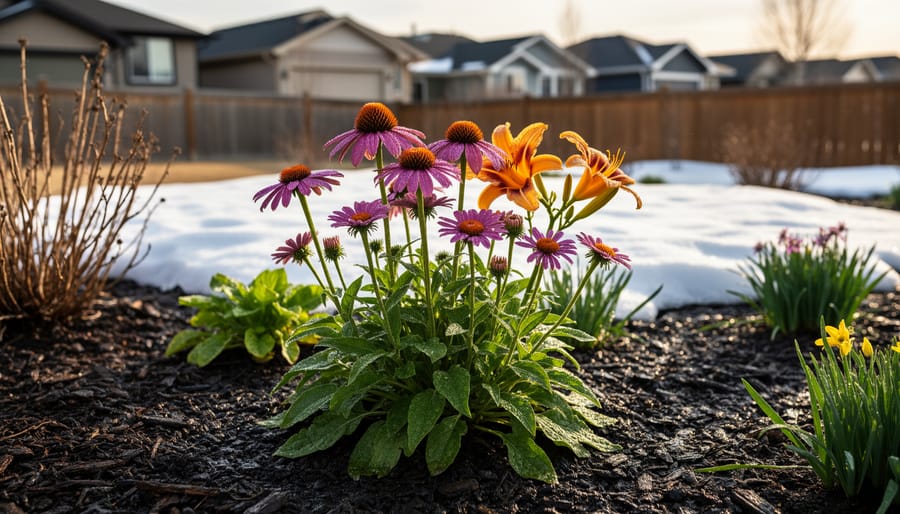
Calgary’s growing season might hover around 110 frost-free days, but local gardeners have turned this constraint into an art form. The key isn’t fighting your climate, it’s working smarter within it.
Cold frames transform April from waiting time into planting time. These simple boxes with transparent lids trap solar heat, creating a microclimate that’s 10-15 degrees warmer than ambient air. Community gardeners at Hillhurst Sunnyside use salvaged windows over raised beds to start lettuce and spinach while snow still dusts the ground. One member starts brassica transplants in her cold frame mid-April, giving them a six-week head start.
Row covers offer similar protection with more flexibility. These lightweight fabrics shield young plants from late-May frosts and extend the fall harvest well into October. They’re particularly valuable for protecting tomatoes during those unpredictable June cold snaps that can devastate an entire crop overnight.
Succession planting maximizes every week of your season. Instead of planting all your lettuce in May, sow small batches every two weeks through July for continuous harvests. Radishes mature in 25 days, perfect for filling gaps between slower crops.
Fast-maturing varieties are your secret weapon. Choose tomatoes rated at 55-65 days, not 80. Plant ‘Early Girl’ rather than ‘Beefsteak’. Calgary gardeners swear by ‘Northstar’ sweet corn (66 days) and ‘Bush Pickle’ cucumbers (48 days), both reliably producing before September frosts threaten.
Calgary Gardening Tips from Local Community Growers
Soil Building in Calgary’s Clay
Calgary’s infamous clay soil doesn’t have to be a deal-breaker. Local gardeners have cracked the code through consistent, patient soil building that transforms dense clay into productive garden beds.
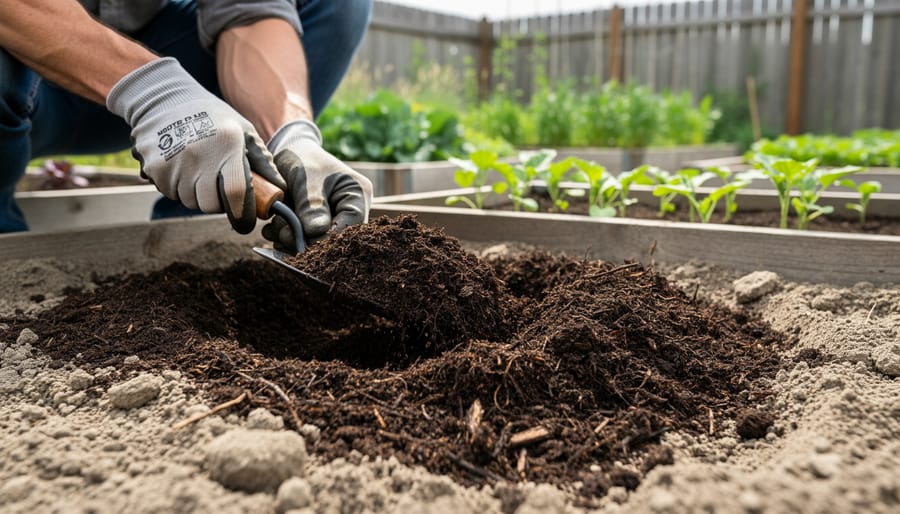
The most reliable approach? Add organic matter, lots of it, year after year. Veteran Calgary gardeners recommend working in three to four inches of compost each spring, mixing it into the top six to eight inches of soil. This isn’t a one-time fix; it’s an ongoing relationship with your soil. Fall leaves, grass clippings, and kitchen scraps all break down into the dark, crumbly compost that clay desperately needs.
Mulching does double duty here. A three-inch layer of wood chips or straw keeps moisture consistent (clay swings between rock-hard and waterlogged) while slowly decomposing to feed soil life. Many gardeners who share their community garden clippers and tools swear by mulch as their secret weapon against Calgary’s clay.
Raised beds offer an immediate solution if you’re starting fresh. Build them twelve inches deep, fill with a quality soil mix, and you bypass years of amendment work. Several Calgary community gardens have proven that raised beds produce impressive harvests right from season one, giving new gardeners early wins while the surrounding clay gradually improves underneath.
Water Wisdom for the Prairies
Calgary gardeners know the irony well: we live beside rivers yet face one of Canada’s driest climates. Annual precipitation hovers around 400mm, less than half what Toronto receives. Community gardeners here have learned to work with this reality, not against it.
Mulch becomes your best friend in Calgary. A thick layer of wood chips or straw around plants can cut water needs by half, keeping soil moist through hot afternoons and chinook winds that suck moisture from the ground. Local growers swear by applying 7-10cm after soil warms in late May.
Deep, infrequent watering beats daily sprinkling. Soak the root zone thoroughly twice weekly rather than surface-wetting every day. This encourages roots to dive deep where moisture persists, creating drought-resilient plants.
During water restrictions, a regular summer feature, drip irrigation and soaker hoses become essential. They deliver water directly to roots with minimal waste, staying compliant with city rules while keeping gardens productive. Many community plots now run on timers set for early morning, when evaporation losses drop to nearly zero.
Gray water from washing vegetables can stretch your allocation. One Inglewood gardener waters her tomatoes exclusively with rinse water from her kitchen, collected in a bucket by the sink.
Common Questions About Gardening in Calgary’s Zone
New Calgary gardeners often have similar questions about growing in zone 3b. Here are answers to the most common concerns that come up in community gardens and local gardening groups.
Can I grow tomatoes in Calgary?
Yes, tomatoes grow successfully in Calgary if you choose short-season varieties (60-70 days to maturity) and start them indoors in March. Protect plants if frost threatens in early June, and consider using row covers or walls-of-water to extend the season.
When should I plant my garden in Calgary?
Start cool-season crops (lettuce, peas, spinach) in early May, but wait until late May or early June for tender plants like tomatoes and peppers. The last frost typically occurs around May 25, though some years see frost into early June.
What if it frosts in June?
June frost happens occasionally in Calgary. Keep row covers, sheets, or cloches handy to protect tender plants overnight when frost is forecast, and consider starting with hardier varieties until mid-June passes.
Can perennials survive Calgary winters?
Many perennials thrive in zone 3b Calgary winters. Choose plants rated for zone 3 or lower, mulch well in fall, and ensure good snow cover for insulation, perennials like coneflowers, hostas, and Siberian iris return reliably year after year.
Where can I find zone 3 plants locally?
Most Calgary garden centres stock plants appropriate for our zone. Look for tags indicating zone 3 hardiness, and don’t hesitate to ask staff, local nurseries understand our climate and can recommend proven performers.
The beauty of gardening in zone 3 is that once you understand the rhythm of our short but intense growing season, you join a community of creative gardeners who’ve learned to work with Calgary’s unique conditions. Local gardeners are generous with advice, seeds, and encouragement. Visiting community gardens during the growing season offers a chance to see what thrives here and connect with experienced growers who remember asking these same questions when they started.
Understanding that Calgary is in zone 3b isn’t a limitation, it’s an invitation to join a community of gardeners who’ve turned short seasons and chinook winds into opportunities for creativity and connection.
Your zone 3 garden will look different from one in Vancouver or Toronto, and that’s something to celebrate. The carrots that survived your October frost, the coneflowers that came back stronger each spring, the tomatoes you coaxed to ripeness in August, these are your victories, shaped by Calgary’s unique climate.
The best part? You’re not gardening alone. Calgary’s community gardens are filled with people who understand exactly what it means to garden here. They’ve figured out which varieties thrive, when to plant, and how to work with clay soil. They’re eager to share what they’ve learned, and they want to hear your stories too.
Zone 3 gardening is about more than surviving winters. It’s about building soil year after year, experimenting with new techniques, and finding joy in what flourishes despite, or because of, our prairie climate. It’s about neighbours trading seedlings and swapping advice over garden fences.
Your Calgary garden, whatever its size, connects you to gardeners across the prairies and beyond who understand the satisfaction of growing food and beauty in challenging conditions. That’s worth celebrating.