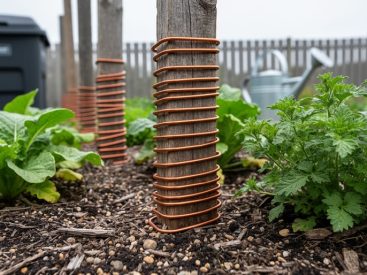
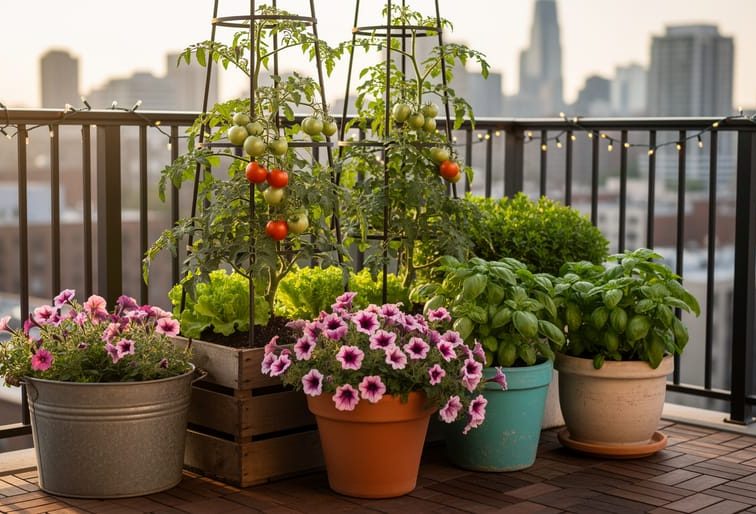

Transform bare patio corners into lush garden retreats by grouping containers in odd numbers—three or five pots of varying heights create instant visual interest and professional-looking dimension. Place your tallest container at the back or center, surrounding it with medium and low-growing plants to build layers that draw the eye naturally through your space.
Mix edibles with ornamentals in the same containers to maximize your patio’s productivity without sacrificing beauty. Tuck lettuce and herbs around the base of flowering plants, or let cherry tomatoes climb a trellis while petunias cascade below. This approach gives you both a gorgeous display and fresh ingredients for dinner, making every square inch work harder for you.
Start with self-watering containers if you’re new to patio gardening or have a busy schedule. These smart pots feature built-in reservoirs that reduce watering frequency and prevent the feast-or-famine moisture cycles that stress plants and discourage beginners. You’ll spend less time troubleshooting and more time enjoying your thriving containers.
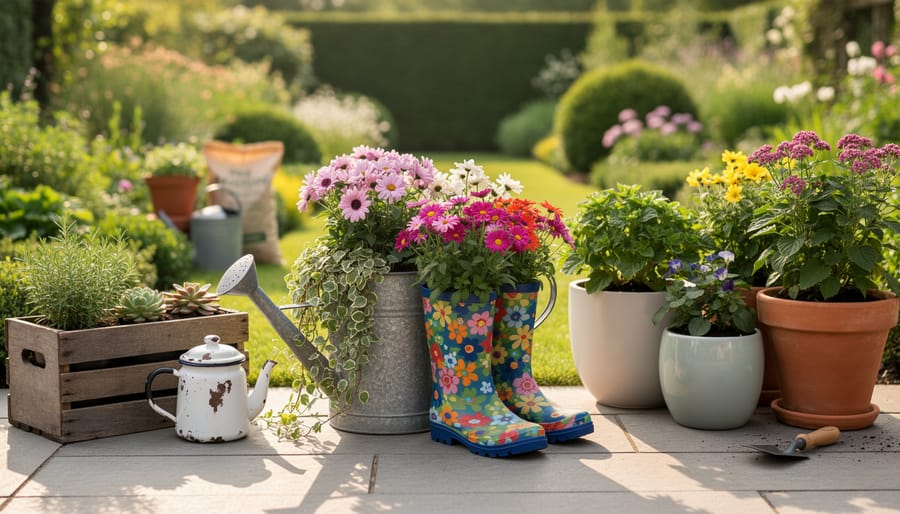
Choose containers made from recycled materials, salvaged buckets, or repurposed household items to embrace sustainable practices while expressing your creativity. Drill drainage holes in old colanders, galvanized tubs, or wooden crates to give them new life as planters. These budget-friendly options reduce waste and add character that mass-produced pots simply can’t match.
Whether you’re working with a compact balcony or an expansive deck, container gardening puts complete control in your hands. You’ll decide exactly what grows, where it goes, and how the composition evolves through Canadian seasons. Your patio becomes a living canvas that reflects your personality while connecting you to the growing community of urban gardeners across the country.
Why Container Gardens Work Beautifully on Canadian Patios
Container gardening isn’t just a trendy way to grow plants—it’s practically made for Canadian patios. If you’ve ever worried about our unpredictable weather or felt limited by space, containers offer solutions that traditional in-ground gardens simply can’t match.
One of the biggest advantages? Mobility. When that unexpected late May frost threatens your tender tomato seedlings, you can simply move your pots under cover or into the garage overnight. This flexibility gives you weeks of extra growing time on both ends of the season. Many Canadian gardeners start their container plants earlier in spring by placing them in sunny, sheltered spots during the day and moving them to protected areas when temperatures drop. The same goes for fall—you can extend your harvest well into October or even November by shifting containers to warmer microclimates around your home.
Container gardens also let you control the soil quality completely. If you’re dealing with heavy clay or poor soil in your yard, your containers become little pockets of perfect growing conditions. You choose exactly what goes in, which means healthier plants and better results, especially for beginners who might feel overwhelmed by soil amendments and testing.
Let me share Sarah’s story from our community in Toronto. She moved into a small condo with a tiny balcony that got partial shade and felt discouraged about her gardening dreams. After joining a local gardening group, she started with just three containers: herbs by the door, a collection of shade-loving hostas, and one pot of cherry tomatoes. Within two seasons, her balcony transformed into a lush retreat with over fifteen containers, including vegetables, flowers, and even a small dwarf apple tree. What she loves most is how she rearranges her garden throughout the season, moving blooming plants to center stage and tucking spent containers toward the back. Her mobile garden adapts to her changing needs and the seasons.
Container gardening truly welcomes everyone, regardless of experience, physical ability, or space. You can garden at a comfortable height, start small, and grow your confidence along with your plants.
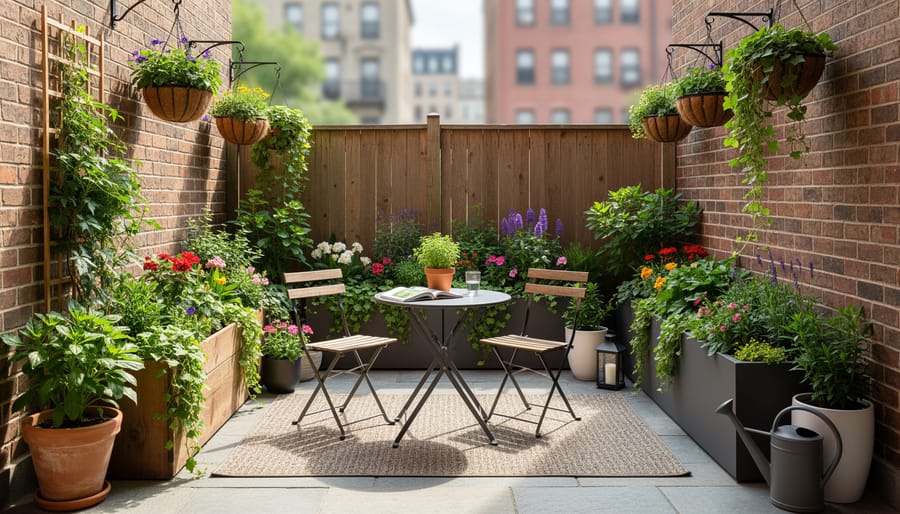
Essential Design Principles for Patio Container Gardens
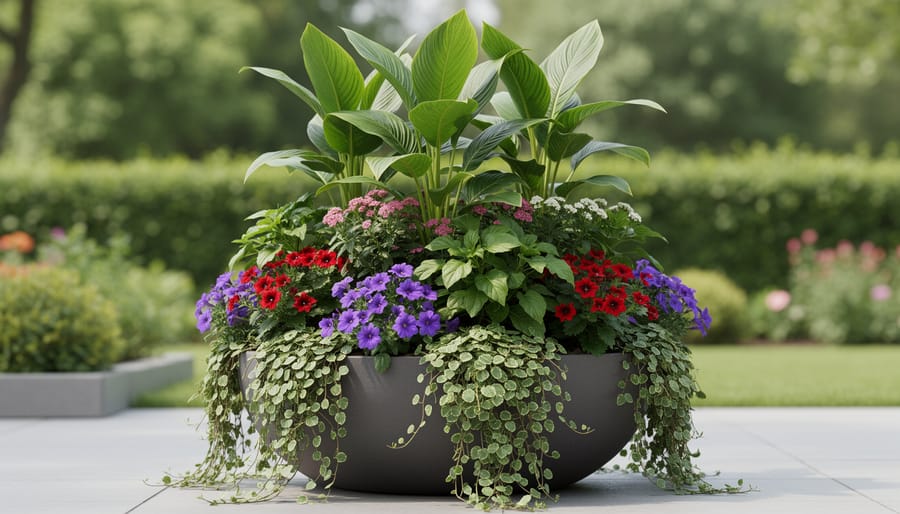
Playing With Heights and Layers
Think of your patio as a stage where every plant gets its moment to shine. Playing with different heights and layers transforms a flat collection of pots into a dynamic, eye-catching garden that draws visitors in and makes the most of limited space.
Start by grouping containers of varying heights together. Place tall planters at the back or center of your arrangement, medium-sized pots in the middle, and smaller containers toward the front. This creates natural depth and ensures nothing gets hidden. My neighbour in Vancouver shared how she uses upturned crates and sturdy wooden boxes as risers, elevating some plants while keeping her budget in check. It’s a fantastic way to repurpose materials you might already have.
Plant stands and tiered shelving are game-changers for vertical gardening. Look for stands made from sustainable materials like bamboo or reclaimed wood. Corner shelving units work beautifully on patios, transforming unused spaces into productive growing areas.
Don’t forget the magic of trailing plants. Cascading varieties like sweet potato vine, trailing petunias, or nasturtiums spill gracefully over container edges, softening hard lines and adding movement. Position these in elevated planters or hang them from hooks to maximize your vertical real estate.
Remember, there’s no single right way to arrange your containers. Experiment with different configurations throughout the season, moving things around until you find what feels right for your space.
Color Schemes That Pop
Color plays a huge role in creating a patio container garden that truly catches the eye and lifts your spirits every time you step outside. The good news? You don’t need to be a design expert to put together combinations that look fantastic.
A simple approach for beginners is the classic warm-and-cool pairing. Think sunny yellows and oranges paired with calming purples and blues. Marigolds and petunias make a cheerful duo that’s also incredibly easy to grow. I learned this from a community gardener in Ottawa who created the most welcoming entrance to her building using just these two plants in various shades.
For something more sophisticated, try a monochromatic scheme using different shades of the same color. All-white containers with different textures create an elegant look, while various pinks from pale blush to deep magenta add romance to any space.
Canadian seasons offer natural inspiration too. Spring containers might feature fresh greens with pops of yellow daffodils. Summer calls for bold reds, oranges, and hot pinks. Fall is perfect for rich burgundies, golds, and russets using ornamental kale and mums.
Don’t forget foliage! Silver-leaved dusty miller or chartreuse sweet potato vine add contrast without flowers. These workhorses complement almost any bloom color and extend visual interest throughout the season.
Creative Container Ideas for Every Budget
You don’t need to spend a fortune on expensive planters to create a stunning patio container garden. Some of the most charming and productive gardens grow in containers that cost little or nothing at all. Let me share some creative ideas that members of our gardening community have discovered, proving that with a bit of imagination, almost anything can become a home for your plants.
Sarah from Halifax transformed her tired wooden crates into a vertical herb garden on her apartment balcony. She simply lined them with landscape fabric, filled them with soil, and now enjoys fresh basil and thyme just steps from her kitchen. Similarly, Michael in Vancouver repurposed old metal watering cans with holes in the bottom (perfect drainage!) into whimsical planters for his collection of succulents. These stories remind us that the best containers often have a previous life and a story to tell.
| Material | Cost Range | Best Uses | Drainage Considerations |
|---|---|---|---|
| Terra Cotta | $5-$30 | Herbs, flowers, vegetables | Naturally porous, excellent drainage |
| Plastic/Resin | $3-$50 | All plants, lightweight for balconies | Must drill holes if not present |
| Repurposed Items | Free-$10 | Creative displays, conversation starters | Easy to add drainage holes |
| Wood Crates/Boxes | Free-$25 | Larger vegetables, grouping smaller pots | Line with fabric, naturally drains well |
When considering repurposed containers, think beyond the obvious. Old colanders make fantastic hanging planters for strawberries since they already have built-in drainage. Metal buckets from thrift stores can be drilled and painted to match your patio decor. Even broken ceramic pots can find new purpose as pieces in a mosaic-style planter or as decorative markers for different herbs.
For those working with very limited budgets, plastic food containers from your kitchen recycling can serve as seed-starting pots or homes for small herbs. Just remember to poke drainage holes in the bottom. Community member Joanna from Toronto uses yogurt containers to start her tomato seedlings every spring, proving you can begin your gardening journey with absolutely no investment in containers.
If you prefer traditional planters, shopping end-of-season sales in fall can net you quality containers at half price or less. Many garden centers in Canada offer significant discounts in September and October. Traditional terra cotta remains popular for good reason: it’s affordable, allows roots to breathe, and develops a beautiful patina over time.
The medium-budget option might include self-watering planters, which are particularly helpful for busy gardeners or those new to container growing. These systems reduce watering frequency and help prevent both over and under-watering, two common challenges for beginners.
Whatever containers you choose, ensure they have adequate drainage. Plants sitting in waterlogged soil quickly develop root rot. If you fall in love with a container without drainage holes, either drill some yourself or use it as a decorative outer pot with a draining inner pot nestled inside.
Theme-Based Patio Garden Ideas
The Kitchen Garden on Your Doorstep
There’s something magical about stepping out onto your patio and snipping fresh herbs for dinner or harvesting sun-warmed tomatoes just steps from your kitchen. Container gardening makes this dream accessible to everyone, even if you don’t have a traditional yard.
Start with herbs, which are incredibly forgiving and perfectly suited to container life. Basil, parsley, cilantro, and chives thrive in pots and provide constant harvests throughout the growing season. Place them near your door for easy access while cooking. Sarah from Calgary shared her experience: “I started with three herb pots last year, and now I can’t imagine cooking without them. My kids even get excited about picking mint for our summer lemonade.”
For vegetables, choose compact varieties bred specifically for containers. Cherry tomatoes, lettuce, radishes, and peppers adapt beautifully to patio life. Bush beans and compact cucumber varieties also perform well in larger pots. Remember, the key is choosing containers at least 12 inches deep for most vegetables.
Succession planting extends your harvest remarkably. Plant lettuce or radishes every two weeks for continuous crops rather than one overwhelming harvest. When your spring greens finish, replant the same containers with heat-loving basil or peppers for summer.
Canadian gardeners should consider hardy herbs like thyme, oregano, and sage, which can overwinter in protected spots. Just as you’d follow tree care essentials for woody plants, give your perennial herbs proper drainage and winter protection.
Mix edibles with flowers for beauty and pest control. Marigolds deter aphids, while nasturtiums add peppery leaves to salads and attract beneficial insects. Your patio becomes both productive and beautiful, proving that practical gardening can be stunning too.
Pollinator-Friendly Container Gardens
Your patio containers can become a vital rest stop for pollinators, and trust me, there’s something magical about sipping your morning coffee while watching bees visit your flowers. With pollinator populations facing challenges across Canada, every container garden makes a difference.
Start by choosing nectar-rich flowers that bloom at different times throughout the season. Native plants like purple coneflower, wild bergamot, and black-eyed Susans are pollinator favourites and thrive in containers. Mix in herbs too – lavender, basil, thyme, and oregano not only attract pollinators but give you fresh ingredients for cooking. It’s a win-win situation.
Clustering containers creates a more visible target for pollinators flying by. Think of it as putting up a welcome sign. Group three to five pots together in sunny spots, varying heights to create landing platforms at different levels. Butterflies especially appreciate flat-topped flowers like yarrow and sedums where they can perch while feeding.
Here’s a sustainable tip from community gardener Maria in Ottawa: skip the pesticides entirely and embrace natural pest management. Healthy pollinator gardens actually help control pests because they attract beneficial insects too. She uses companion planting and tolerates a few nibbled leaves, knowing she’s supporting the bigger ecosystem.
Include a shallow water source – a saucer with pebbles and water gives bees a safe drinking spot. Leave some bare soil in larger containers where ground-nesting bees might burrow. These small touches transform your patio into a genuine pollinator haven.
Cozy Evening Retreat Designs
After a long day, there’s something magical about stepping onto a patio that welcomes you with gentle scents and soft textures. Creating an evening retreat doesn’t require a large space – just thoughtful plant choices that come alive as the sun sets.
Start with fragrant night bloomers like moonflower or evening stock in medium-sized containers. These beauties release their sweetest perfumes after dusk, turning your patio into a sensory escape. I remember chatting with Maria from a Toronto community garden who combined white nicotiana with silvery dusty miller – the contrast looked stunning under patio lights and the fragrance was absolutely dreamy.
Add soft-textured plants like lambs ear or ornamental grasses that catch the breeze and create gentle movement. These low-maintenance choices work beautifully in Canadian climates and provide visual interest even when you’re simply unwinding with a cup of tea.
Consider placing containers with pale or white flowers near seating areas – they practically glow at twilight. White petunias, silver artemisia, and moon garden varieties reflect ambient light beautifully. Combine them with small solar lights tucked between pots for extra warmth without electricity costs.
The key is creating layers of comfort: fragrance at nose level, soft textures within reach, and calming colors that help you transition from work mode to relaxation.
Low-Maintenance Options for Busy Lives
Let’s be honest—not everyone has hours to dedicate to their patio garden, and that’s perfectly okay! Container gardening can be wonderfully forgiving when you choose the right plants and systems that work with your schedule rather than against it.
Drought-tolerant plants are your best friends for busy lifestyles. Succulents and sedums thrive on neglect, storing water in their fleshy leaves and requiring watering only once a week or less during hot weather. Try grouping echeveria, hens-and-chicks, and trailing sedums in shallow containers for a sculptural, modern look that practically cares for itself. Ornamental grasses like blue fescue and native prairie grasses are equally easygoing—just give them a deep soak occasionally, and they’ll reward you with gorgeous texture and movement.
Self-watering containers are game-changers for anyone juggling work, family, and other commitments. These clever pots have built-in reservoirs that allow plants to draw water as needed, reducing your watering frequency to every few weeks during summer. They’re especially valuable during Canadian heat waves or if you travel occasionally.
Perennials that return year after year are the ultimate set-it-and-forget-it option. Hardy choices like daylilies, hostas (for shade), and coneflowers come back stronger each season. One community gardener in Calgary shared that her container of Siberian irises has bloomed faithfully for five years with nothing more than spring fertilizer and occasional watering—proof that beautiful doesn’t have to mean high-maintenance!
Seasonal Container Strategies for Canadian Climates
Canadian container gardening is a year-round adventure, and with a little planning, your patio can bring you joy through every season. The key is working with our climate rather than fighting against it, and many gardeners across the country have found creative ways to keep their containers thriving.
Spring is an exciting time to restart your container garden, but patience pays off. Wait until after your area’s last frost date before moving tender plants outside. This usually falls between late April and late May, depending on where you live. Start by cleaning last year’s pots with a mild vinegar solution to prevent disease, then refresh your soil. Many community gardeners recommend mixing in fresh compost rather than replacing all the soil each year, which is both budget-friendly and sustainable. When caring for new plants, gradually introduce them to outdoor conditions over a week or two. This hardening-off process helps prevent shock from sudden temperature changes or intense sunlight.
Summer brings different challenges, especially during heat waves. Container plants dry out faster than in-ground gardens, so check soil moisture daily during hot spells. One gardener from Winnipeg shared her strategy of grouping containers together to create a microclimate that retains moisture better. Morning watering is ideal, and adding a layer of mulch on top of the soil helps reduce evaporation. Don’t forget that patio containers may need repositioning if certain spots get too much afternoon sun.
As fall approaches, you have choices to make. Hardy perennials in containers can often overwinter outdoors if given proper protection. Many Canadian gardeners wrap pots in burlap or move them against a sheltered house wall. Tender plants like geraniums can be brought indoors to a sunny window, while herbs can be trimmed back and enjoyed in your kitchen throughout winter.
Winter doesn’t mean your patio sits empty. Evergreen boughs, branches with colourful bark, and cold-hardy plants like ornamental kale create beautiful winter interest. Some gardeners even string lights through their winter containers for a magical evening display that brightens the darker months.
Getting Started: Your First Patio Container Garden
Starting your first patio container garden is one of the most rewarding projects you can tackle, and honestly, it’s much easier than you might think! Last spring, Maria from Toronto shared with our community that she’d always been intimidated by gardening until she tried a single container on her apartment balcony. Six months later, she had twelve thriving pots and was sharing herbs with her neighbours. Your journey starts with just one container and a little confidence.
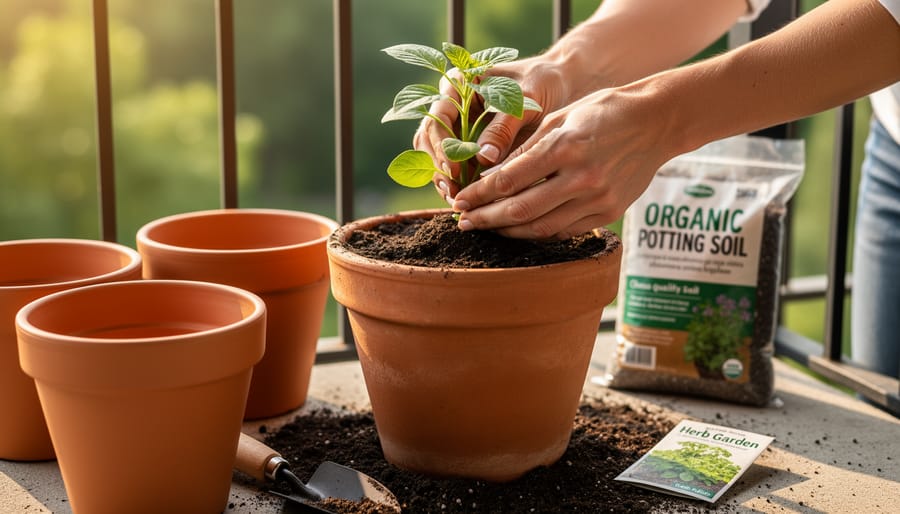
The foundation of any successful container garden is good soil. Here’s the thing: don’t just dig up dirt from your yard or a nearby park. Container plants need special potting mix that drains well while holding moisture. Look for bags labelled “premium potting soil” or “container mix” at your local garden centre. These blends are light, fluffy, and contain ingredients like peat moss, coconut coir, and perlite that create the perfect environment for roots to grow. If you’re committed to sustainable gardening practices, seek out organic options or mixes containing compost.
Now, let’s get your hands dirty with these straightforward steps:
- Fill your container about two-thirds full with potting mix, leaving room at the top for your plants.
- Gently remove your plant from its nursery pot by squeezing the sides and tipping it upside down into your hand.
- Loosen the roots slightly with your fingers if they’re tightly wound, then place the plant in your container at the same depth it was growing before.
- Add more soil around the plant, pressing gently to eliminate air pockets, and leave about two centimetres of space below the rim for watering.
- Water thoroughly until you see moisture draining from the bottom holes.
After planting comes the learning curve that trips up most beginners: watering. The biggest mistake new container gardeners make is either drowning their plants with too much love or forgetting them entirely. Proper watering techniques make all the difference. Stick your finger into the soil up to your second knuckle. If it feels dry, it’s time to water. During hot Canadian summers, you might need to water daily, while spring and fall require less frequent attention. Our watering schedules can help you develop a routine that works.
When something goes wrong, don’t panic. Yellow leaves usually mean too much water, while wilting suggests the opposite. Leggy, stretched-out plants need more sunlight. These are all fixable issues. Check out our plant establishment tips for detailed troubleshooting guidance.
Remember, every experienced gardener started exactly where you are now. Give yourself permission to learn as you go, celebrate small victories, and don’t be afraid to ask questions in local gardening communities. Your patio paradise is just beginning!
Community Connection: Share Your Patio Garden Journey
Your patio container garden is more than just a beautiful space—it’s a story worth sharing! We’d love to invite you to become part of the Gardening Life Community Project, where Canadian gardeners from coast to coast connect, learn, and grow together.
Whether you’ve just planted your first tomato in a pot or you’re maintaining an elaborate collection of containers, your journey matters. Share photos of your patio garden transformations, your successes (and yes, even those learning moments when things didn’t quite go as planned). Our community thrives on real stories from real people who are discovering the joys of container gardening right here in Canada.
Consider joining one of our monthly workshops where experienced gardeners share tips specifically tailored to our unique climate challenges. From winterizing your containers to choosing the best varieties for short growing seasons, these gatherings are perfect opportunities to ask questions, make friends, and pick up practical advice you can use right away.
Looking to deepen your involvement? Volunteer opportunities abound in community gardens across Canada, many of which feature container gardening sections perfect for learning new techniques. These spaces welcome helping hands for everything from planting days to harvest festivals, and they’re wonderful places to meet neighbors who share your passion.
Connect with us online, attend a local event, or simply drop by a community garden near you. Your container garden journey doesn’t have to be a solo adventure—there’s a whole community ready to celebrate your successes and support you through the challenges.
Your patio container garden is more than just a collection of pots—it’s your personal growing space, a connection to the seasons, and proof that you don’t need acres of land to grow something beautiful and meaningful. Whether you’re tending to a single tomato plant on a tiny balcony or creating an entire edible oasis across your deck, you’re part of a vibrant community of gardeners who’ve discovered that limitations can actually spark creativity.
The beauty of container gardening is that it meets you exactly where you are. No experience? Start with one easy herb. Limited budget? Repurpose what you already have. Short on time? Choose low-maintenance succulents. Every gardener you admire started somewhere, probably with a single container and a bit of hope.
Remember, your garden will grow alongside your confidence. That first pepper you harvest, the morning you notice butterflies visiting your flowers, or the moment you share fresh basil with a neighbor—these small victories build into something larger. You’re not just growing plants; you’re cultivating patience, learning about your local ecosystem, and creating a greener space in your community.
So take that first step. Choose one container, fill it with good soil, and plant something that excites you. Your gardening journey starts today, and we’re here cheering you on every step of the way.