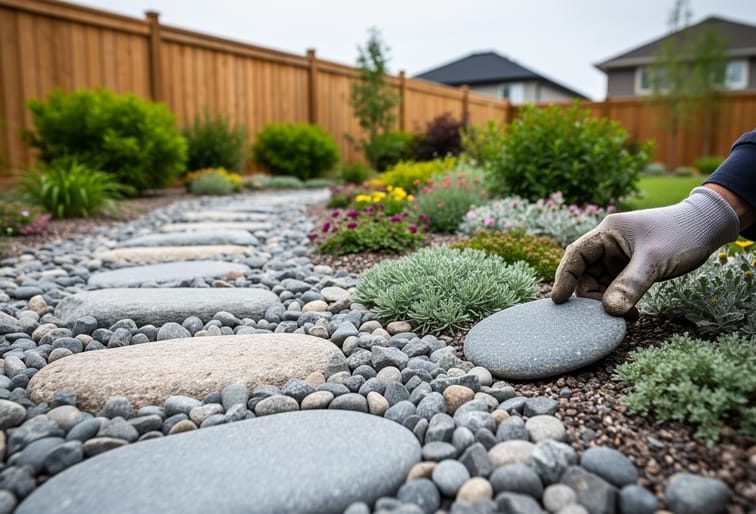

Stones are transforming Canadian gardens in 2026, and you’re probably already walking past the perfect materials on your next nature hike. Last month, Maria from Vancouver shared how she turned a muddy slope into a stunning rock garden using river stones collected during family camping trips. The best part? She spent less than fifty dollars on supplies and created a landscape feature that now anchors her entire backyard.
Gardening with stones means incorporating rocks, pebbles, gravel, and boulders into your landscape for both practical and aesthetic purposes. Whether you’re building pathways, creating drainage solutions, or designing a low-maintenance alpine garden, stones offer durability that outlasts most other materials while requiring virtually no upkeep.
The movement toward stone gardening reflects a broader shift in how we think about sustainable landscaping. Instead of fighting our Canadian climates with thirsty lawns and delicate perennials, gardeners are embracing materials that work with nature. Stones retain heat during cool nights, provide excellent drainage during spring thaws, and create habitats for beneficial insects and small wildlife.
You don’t need expensive imported materials or professional installation to get started. Community gardens across Toronto, Calgary, and Montreal are proving that local stones, combined with drought-tolerant plants and creative placement, can produce stunning results. The key is understanding which types of stones serve different purposes and how to arrange them for maximum impact while minimizing maintenance. Your garden can become a living example of beauty meeting practicality, one stone at a time.
What Makes Gardening Stones a Growing Trend in 2026
Canadian gardeners are turning to stones this year for reasons that go far beyond simple aesthetics. The shift reflects bigger conversations happening in communities from coast to coast about how we garden and why.
Water conservation sits at the heart of the trend. Stones retain moisture in the soil beneath them while reducing evaporation, which matters more as summers get hotter and drier across many Canadian regions. Unlike organic mulches that break down and need replacing, stones stay put year after year. That permanence appeals to gardeners tired of annual mulch runs and the cost that comes with them.
Climate unpredictability has pushed many toward more resilient garden designs. Stones handle everything Canadian weather throws at them. They won’t wash away in spring floods, won’t mat down under heavy snow, and they actually help moderate soil temperature. When early heat waves hit or late frosts surprise us, stone-covered beds buffer plants from the worst extremes.
Community gardens have become unexpected showcases for stone gardening. Shared spaces need solutions that work for everyone, from experienced growers to complete beginners. Stones deliver that accessibility. They require no special skills to install, they don’t attract pests, and they create clear pathways and borders that help organize communal plots. Several Toronto and Vancouver community gardens have started incorporating stone elements into their designs, finding they reduce maintenance hours while creating gathering spaces people actually want to spend time in.
The aesthetic flexibility doesn’t hurt either. River rocks suit cottage gardens, angular crushed stone fits modern minimalist designs, and everything in between works somewhere. Gardeners are discovering they can express creativity with texture, colour, and arrangement without the commitment that comes with permanent structures or the upkeep plants demand.

Types of Gardening Stones and Their Best Uses
Decorative Stones for Visual Impact
Ornamental stones transform ordinary garden beds into eye-catching focal points. River rocks, with their smooth, rounded edges and natural colour variations, work beautifully around water features or as accent borders in flower beds. They catch light differently throughout the day, creating subtle visual interest that changes with the sun’s movement.
Polished stones add a more refined touch. Their glossy surfaces reflect light and moisture, making them ideal for highlighting specific plants or creating contrast against darker mulch. Many Canadian gardeners use white or light-coloured decorative stones to brighten shaded areas, while darker hues like black polished river rock create striking borders that make surrounding greenery pop.
For garden beds, mixing stone sizes creates natural-looking texture. Larger decorative stones anchor corners or frame specimen plants, while smaller pebbles fill gaps and provide a finished look. This layering approach mimics how stones appear in nature, avoiding the artificial, uniform appearance that can make a garden feel staged rather than grown.
The beauty of decorative stones is their permanence. Unlike organic mulches that decompose, these stones maintain their appearance year after year, requiring only occasional rinsing to restore their original lustre.
Functional Stones for Garden Infrastructure
When you’re planning your garden’s practical side, functional stones do the heavy lifting that keeps everything running smoothly. Gravel works wonders for drainage areas and as a base layer under patios or sheds, preventing water from pooling where you don’t want it. It’s particularly useful in Canadian gardens where spring thaw and heavy rains can create soggy spots that damage plant roots.
Crushed stone offers the structural backbone for pathways and driveways, compacting firmly to create stable surfaces that won’t shift underfoot. Many community gardens use it to define main walkways between plots, creating accessible routes that handle foot traffic in all seasons. The angular edges lock together naturally, which means less maintenance over time.
Landscape stones, the larger rocks ranging from fist-sized to wheelbarrow-sized pieces, excel at building retaining walls, edging garden beds, and anchoring slopes. They’re the workhorses that give your garden its bones. A well-placed border of landscape stones prevents soil erosion while giving beds clean, defined edges that make maintenance easier. These functional stones might not grab attention like decorative options, but they solve real problems while quietly supporting everything else in your garden.
Creative Ways to Use Stones in Your Garden
Stone Pathways and Borders
Stone pathways guide visitors through your garden while protecting grass and preventing soil compaction. Start by marking your desired route with stakes and string, then excavate 2-3 inches deep. Lay landscape fabric to block weeds, add a gravel base for drainage, and arrange your chosen stones on top. Flagstone creates elegant stepping-stone paths, while crushed stone or pea gravel works well for casual, winding trails.
Garden bed borders define planting areas and keep mulch contained. Larger landscape stones placed end-to-end create sturdy, permanent edges that won’t shift in freeze-thaw cycles. For curved beds, smaller river rocks offer flexibility and visual interest. Many Canadian community gardens use reclaimed stones for borders, turning salvaged materials into functional garden features.
The beauty of stone pathways lies in their adaptability. Mix different sizes for texture, leave gaps for ground covers to soften hard edges, or create mosaic patterns with contrasting colors. Your pathway doesn’t need to be perfectly uniform to be charming and useful.
Rock Gardens and Alpine Features
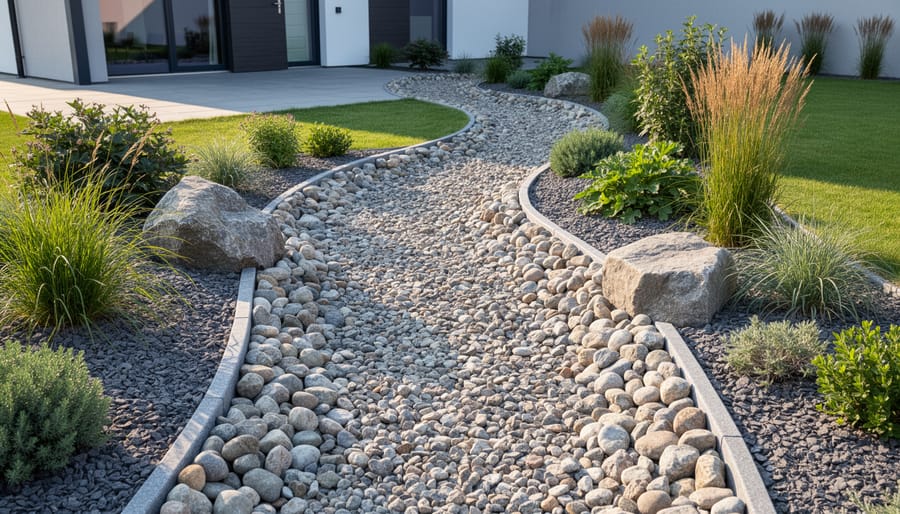
Rock gardens celebrate the rugged beauty of alpine environments and thrive in Canada’s varied climate zones. Start by selecting stones of different sizes to create natural-looking elevation changes and pockets for planting. Arrange larger boulders first as anchor points, then fill gaps with smaller stones to mimic mountain slopes.
Choose hardy plants that tolerate well-drained conditions: sedums, creeping thyme, and alpine phlox work beautifully between stones. For shadier spots, consider incorporating dry and shady plants like wild ginger or barrenwort. Many rock garden favorites also work well in perennial border design giving you flexibility across your yard.
Layer stones to create natural-looking crevices where roots can establish, and leave generous planting pockets filled with gritty, well-draining soil. Position your rock garden on a slope if possible, as this enhances drainage and visual impact. The low-maintenance nature of established rock gardens makes them perfect for busy gardeners who still want year-round interest.
Stones as Mulch Alternatives
Stones work brilliantly as a permanent mulch alternative in Canadian gardens. Unlike organic mulches that decompose and need yearly replacement, a layer of pea gravel or small river rocks suppresses weeds while allowing water to penetrate slowly to plant roots. This setup works especially well around perennials, shrubs, and in xeriscape beds where you want minimal maintenance.
The key is laying landscape fabric underneath your stone layer to block weeds without preventing drainage. A 5-8 centimetre depth of stones keeps the soil cooler in summer heat and doesn’t blow away in prairie winds like bark chips can. You’ll use less water overall since stones reduce evaporation, and they won’t harbour slugs or rot against plant stems. Just avoid using stones around acid-loving plants like blueberries, which prefer the soil enrichment that organic mulches provide.
Getting Started: Sourcing and Preparing Garden Stones
Finding garden stones is easier than you might think, especially if you start locally. Garden centers and landscape supply stores across Canada stock a range of options, from decorative river rocks to functional gravel. Many communities also have building supply stores that carry stone materials suitable for garden projects. Visiting these places in person lets you see the actual colors and textures before committing to a purchase.
Don’t overlook reclaimed materials as a budget-friendly and sustainable option. Community bulletin boards, online marketplaces, and neighborhood groups often have people giving away leftover stones from landscaping projects. Some gardeners swap materials at community garden meetups, turning excess supplies into shared resources. This approach reduces waste while connecting you with fellow gardening enthusiasts who can offer practical advice.
When selecting stones, consider their intended purpose. Larger, flat stones work well for pathways and borders, while smaller gravel suits drainage areas or works alongside smart garden irrigation systems. Check that decorative stones have smooth edges if you’ll be walking on them or working around them frequently.
Preparing your stones is straightforward. Give them a quick rinse to remove dust and debris, especially if they’re reclaimed. For pathway or border projects, lay down landscape fabric first to prevent weeds from pushing through. This simple step saves hours of maintenance later and keeps your stone features looking clean and intentional. If you’re creating drainage areas, ensure the ground slopes slightly away from garden beds to direct water where it’s needed most.
Community Stories: How Canadian Gardeners Are Using Stones
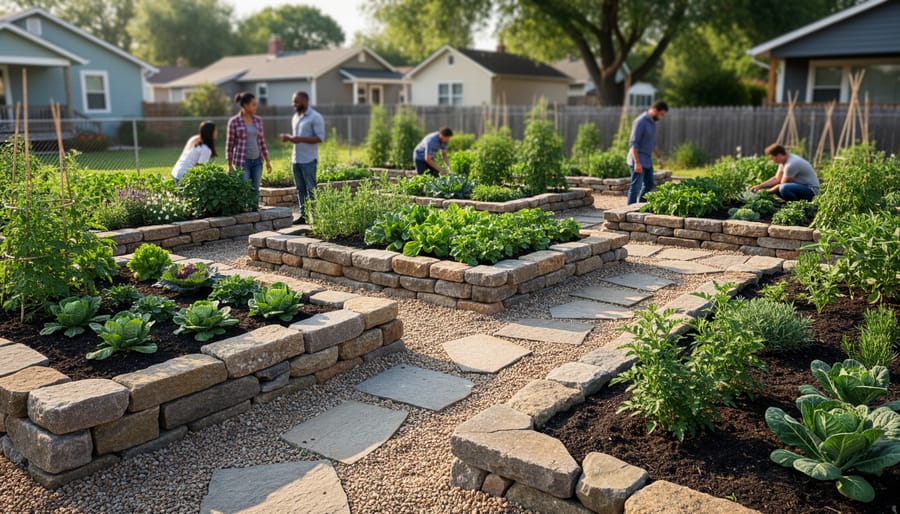
Across Canada, gardeners are discovering creative ways to weave stones into their outdoor spaces while building stronger communities. In Vancouver’s East Side, a community garden transformed a steep corner plot using terraced stone walls filled with drought-tolerant perennials. The project brought together volunteers who’d never met before, teaching each other stone-stacking techniques passed down from family traditions.
A Toronto gardener turned her shaded backyard into a wildlife-friendly garden using river rocks to create shallow water features and stepping stones through native plantings. She sources stones from construction sites willing to donate leftovers, proving sustainability doesn’t require big budgets.
In Calgary, a shared garden space uses crushed stone pathways between raised beds, making the garden wheelchair-accessible year-round. Members appreciate how stones eliminate muddy walkways during spring thaws while reducing water runoff into nearby storm drains.
These stories show what happens when gardeners view stones as community-building tools rather than just landscaping materials. They’re sharing techniques at garden meetups, swapping surplus stones through online groups, and mentoring newcomers who want to try their first rock garden. The environmental benefits matter, but so does the creativity and connection these projects spark.
Starting your gardening with stones journey doesn’t require perfection or expertise. Whether you’re adding a simple gravel path to your backyard or joining fellow community gardeners in creating a shared rock garden, every stone you place contributes to a more sustainable, resilient outdoor space. The beauty of this approach is that there’s no wrong way to begin, just grab a bag of stones from your local supplier and see where your creativity leads.
As Canadian gardeners continue embracing sustainable practices in 2026, you’re joining a growing movement of people transforming their yards into greener, more water-wise landscapes. Share your stone garden experiments with neighbors, swap ideas at community gardens, and don’t be afraid to learn through doing. Together, we’re building communities that are not just beautiful, but kinder to our environment and each other.