
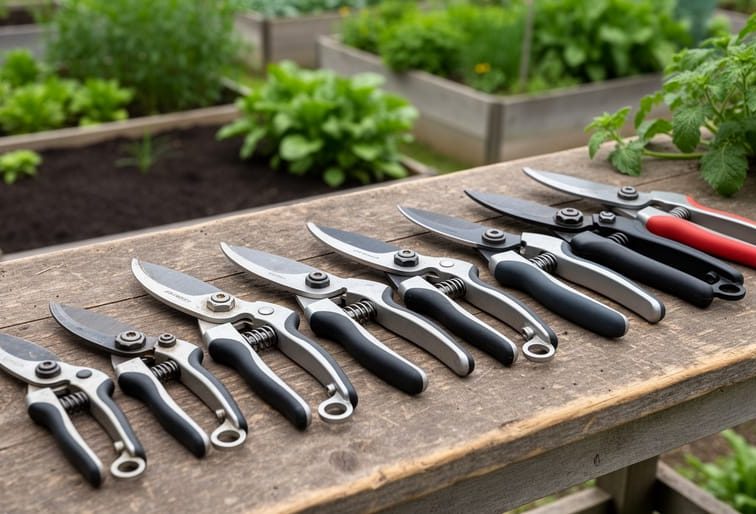

Contact Canadian garden centers like Veseys, Lee Valley, or your local co-op to inquire about bulk pricing on hand pruners and bypass loppers. Most suppliers offer 15-20% discounts when you purchase six or more pairs, and some will match online prices if you show them quotes from retailers like Amazon.ca or Canadian Tire.
Check if your municipality has a tool library program before buying. Vancouver, Toronto, and Ottawa now have tool-sharing networks where community gardens can borrow professional-grade clippers for seasonal projects. If your city doesn’t have one yet, you can start the conversation with your local community center.
Reach out to neighboring community gardens about shared purchasing agreements. The Harbord Street Community Garden in Toronto coordinates bulk orders every spring with four other gardens in their network, cutting costs by nearly 40%. You’ll need basic bypass pruners for most members (plan on one pair per three gardeners), plus two or three pairs of heavy-duty loppers for woody stems and branches.
Apply for small grants through programs like TD Friends of the Environment Foundation or your provincial horticultural society. These typically cover $500-2000 and explicitly support tool purchases for community spaces. Document your garden’s membership numbers and sustainable practices in your application since funders prioritize groups demonstrating environmental stewardship.
When you’re equipping a whole garden, quality matters more than initial savings. A $25 pair of Felco pruners will outlast three cheap sets, and most members can learn to maintain and sharpen them together. That shared knowledge becomes part of your garden’s culture, turning tool maintenance into another way people connect over growing food.

Why Community Gardens Need Their Own Tool Collections
When Sarah took over as coordinator for a community garden in Halifax, she noticed something troubling. The same five or six people showed up to every work party, while dozens of registered members rarely participated. After chatting with the no-shows, a pattern emerged: many felt embarrassed they didn’t own proper tools, or they’d tried borrowing equipment that was dull, broken, or simply the wrong type for the task.
That conversation changed everything. Sarah’s garden invested in a shared tool collection, and participation doubled within two months.
Having dedicated tools on-site removes a significant barrier to entry. Not everyone can afford quality pruners or knows which type they need for pruning tomatoes versus shaping shrubs. When a garden provides well-maintained clippers and other essentials, newcomers can show up empty-handed and still contribute meaningfully. They learn by doing, discover what tools they like, and gain confidence without the upfront investment.
This matters especially for equity. Community gardens pride themselves on being inclusive spaces, but asking members to supply their own equipment inadvertently excludes lower-income participants. A shared tool shed says everyone belongs here, regardless of what they can bring from home.
Quality clippers available on-site also mean work gets done properly. Members can reference a companion planting chart and immediately prune companion plants with the right tool, rather than making do with whatever rusty shears they found in their garage. Tasks happen efficiently, plants stay healthy, and the garden thrives.
Most importantly, shared tools build community. Members gather around the tool shed, exchange tips on sharpening blades, and teach each other proper pruning techniques. The tools become conversation starters, not barriers.
Understanding Your Clipper Needs: A Quick Guide for Community Gardens

How Many Clippers Does Your Garden Actually Need?
Start with your most frequent garden activities to figure out how many clippers make sense. If your Saturday work parties typically draw 15 volunteers and you’re tackling maintenance tasks like deadheading, trimming herbs, or pruning raspberries, having 8 to 10 pairs of hand pruners means people aren’t waiting around. Gardens hosting weekly drop-in sessions need more clippers on hand than those organizing monthly workdays.
Quality beats quantity every time. Three solid bypass pruners will serve your garden better than a dozen flimsy ones that need replacing by next season. Consider your garden’s scope, too. A small urban plot with raised beds and annual flowers needs fewer tools than a half-acre space with perennial borders, fruit bushes, and hedgerows. Some gardens find battery-powered pruning tools useful for members with arthritis or limited hand strength, though you’ll likely need just one or two for accessibility rather than outfitting everyone.
Aim for one clipper per four active members as a baseline, then adjust based on how many people show up simultaneously. A garden with 40 members but typical turnouts of 12 works fine with 10 pairs, especially if you rotate tasks so not everyone’s pruning at once.
Bulk Buying Options for Canadian Community Gardens
Questions to Ask Bulk Suppliers
Before you commit to a supplier, arm yourself with answers that protect your garden’s investment and ensure you’re getting exactly what your community needs. Start by asking about minimum order requirements directly, since these vary widely between suppliers and may not be listed online. Find out if you can mix different clipper types in a single order to meet minimums while getting variety for different tasks.
Warranty coverage matters enormously for community tools that see heavy use. Ask how long each tool is covered, what the warranty actually protects against (manufacturing defects versus wear and tear), and whether the supplier handles replacements by sending new tools immediately or requiring returns first. Clarify who pays shipping on warranty claims.
Payment terms can make or break your budget planning. Can you pay with a purchase order, or do they require payment upfront? Some suppliers offer net-30 terms for registered non-profits or community organizations, which helps if you’re waiting on grant funding to clear.
Finally, ask about their return policy for unused tools and whether they offer any support for community or non-profit buyers. Some suppliers provide discounts or waive shipping minimums for registered community gardens, but you’ll only know if you ask directly.
The Tool Library Alternative: Sharing Resources Across Communities
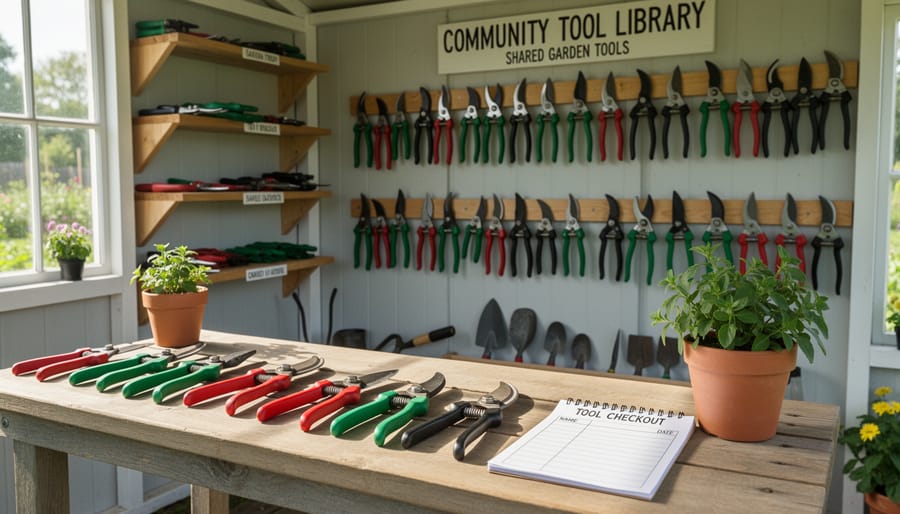
Could Your Community Garden Start a Tool Share?
Your community garden sits at the heart of your neighbourhood, why not expand its role? Starting a tool share program means neighbours who don’t garden at your site can borrow gardening tools free or for a nominal membership fee, breaking down the cost barriers that keep people from starting their own projects.
The setup doesn’t have to be complicated. Many successful tool shares begin with a simple sign-out sheet, designated storage shed, and volunteer coordinator who checks items in and out during garden work parties. You’re building on infrastructure you already have, secure storage, an organized community, and established maintenance routines for your own clippers and tools.
This approach multiplies the impact of your bulk tool investment. Instead of serving 20 garden members, those same clippers might help 50 households across the neighbourhood. With more than 80 tool libraries now operating across North America, you’ll find plenty of models to adapt. The benefits extend beyond sustainability, tool shares create connections between gardeners and non-gardeners, turning your community garden into a true neighbourhood hub where everyone can access what they need to grow.
Funding Your Tool Purchase: Creative Solutions from Canadian Gardens
When the Edmonton Urban Growers collective needed $800 for pruning tools, they didn’t just pass the hat around. They partnered with a local nursery to host a spring seedling sale, keeping 40% of proceeds while the nursery gained foot traffic from the garden’s membership base. Within three weekends, they’d raised enough for a complete set of clippers plus spare blades.
Many Canadian municipalities offer community garden grants that explicitly cover tool purchases. Toronto’s Community Environment Days grants, for instance, fund up to $1,000 for garden infrastructure, including shared equipment. Vancouver’s Neighbourhood Small Grants program regularly approves tool purchases for community gardens. The trick is demonstrating how tools remove barriers to participation, a criterion most urban sustainability grants prioritize.
Membership drives work particularly well when framed around specific needs. The Riverdale Garden Collective in Halifax restructured their $25 annual fee to include a $5 “tool fund” surcharge for one year, transparently earmarking it for bulk clipper purchases. Members appreciated knowing exactly where the increase went, and the dedicated fund raised $600 from their 120-member base.
Plant sales remain the most popular DIY fundraising method because they align perfectly with garden skills. Organize a spring perennial division day where members pot up divisions from their own gardens, then sell them at weekend markets. One Winnipeg garden raised $450 in a single Saturday, enough to cover their entire clipper order with budget left for sharpening supplies.
Local businesses often welcome partnership opportunities that demonstrate community investment. Garden supply shops, hardware stores, and landscaping companies may offer discounted bulk rates or donate tools in exchange for recognition on your garden’s signage or newsletter. Frame it as supporting neighbourhood food security and environmental stewardship, not just asking for free stuff.
Caring for Your Community’s Clippers: A Shared Responsibility
When the Oakwood Community Garden launched a monthly “Tool Spa Saturday,” nobody expected it to become one of their most popular events. Members gather with coffee and pastries, chatting while they clean, oil, and sharpen the garden’s clippers together. What started as a maintenance chore transformed into a social tradition that’s saved the garden hundreds of dollars in replacement costs.
Maintaining shared clippers doesn’t require expert knowledge. After each work session, volunteers can follow this simple routine to keep tools in working order:
- Wipe blades clean with a damp cloth to remove sap and plant residue
- Spray or wipe with rubbing alcohol to prevent disease spread between plants
- Dry thoroughly with a clean towel
- Apply a thin coat of oil to the blade and pivot point
- Return clippers to the designated storage spot
These five minutes of attention dramatically extend clipper life. Sharp blades make cleaner cuts, which helps plants heal faster and keeps volunteers from straining their hands.
Sharpening can feel intimidating, but it’s simpler than most people think. A basic mill file or sharpening stone works perfectly for bypass pruners. Hold the file at the same angle as the existing bevel and make smooth strokes away from your body. Many gardens designate one or two members as “sharpening ambassadors” who learn the skill and teach others during work parties.
Before winter arrives, give your clippers the same care you’d give overwintering perennials. Clean thoroughly, oil generously, and store in a dry location. Some gardens wrap handles in newspaper or cloth to prevent rust in humid storage sheds.
The real secret isn’t technique, though. It’s creating a culture where everyone feels responsible for the tools they use. Post simple care instructions near your tool storage. Celebrate members who take initiative with maintenance. When caring for shared clippers becomes part of your garden’s routine, those bulk purchases will serve your community for many seasons to come.
Equipping your community garden with quality clippers doesn’t have to drain your budget or overwhelm your organizing committee. Whether you choose bulk purchasing from suppliers that ship to Canada, tap into the growing network of tool libraries across North America, or create a hybrid model that combines both approaches, there’s a path forward that fits your garden’s needs and values.
The best solutions often emerge from conversations. Bring this topic up at your next garden meeting. Ask what’s working, what’s frustrating, and what tools people wish they had access to. You might discover that three nearby gardens could pool an order together, or that a member knows about a local tool library you hadn’t heard of yet.
Your community garden is already a space where people share knowledge, labour, and harvests. Extending that spirit of collaboration to tools just makes sense. When you DIY your garden spaces together, accessible tools become part of building an inclusive, welcoming environment where everyone can participate fully.
We’d love to hear what’s worked in your community. Have you successfully purchased tools in bulk? Does your neighbourhood have a tool share? Drop a comment and share your story with fellow Canadian gardeners looking for practical solutions.


