
Visit your local Canadian Tire, Home Hardware, or Rona this week to compare glove fits in person. Sizing matters more than most new gardeners realize, and what works for weeding won’t necessarily work for pruning roses. Bring a sample task in mind when you shop.
Expect to spend between $8 and $35 for quality gardening gloves in 2026, depending on the material and specialization. Nitrile-coated gloves run about $12 to $18 and handle most general tasks beautifully. Leather options start around $25 but last years longer if you’re tackling thorny shrubs or heavy digging.
Check the packaging for sizing charts, but here’s the reality from community gardeners across Ontario and BC: manufacturers vary wildly. Lee Valley and Gardener’s Supply Co. tend to run true to size, while big-box store brands sometimes fit smaller. If you’re between sizes, go larger. Tight gloves cause blisters during spring cleanup marathons.
Your hands are your most important gardening tools. Sarah from the Parkdale Community Garden learned this after spending her first season battling blisters and thorn pricks with dollar-store gloves that fell apart by June. She now swears by her $16 nitrile pair for everyday work and keeps leather gloves specifically for raspberry cane training.
The right gloves transform gardening from a sometimes painful chore into pure joy. They protect against soil-borne bacteria, prevent calluses, and keep your hands warm during those early April planting sessions when the ground has thawed but the air still bites. This guide walks you through exactly where to buy, what to pay, and how to choose gloves that actually fit your hands and your gardening style.
Why the Right Gloves Matter More Than You Think
Your hands tell the story of your gardening life. Those calluses, the occasional thorn prick, the dirt that somehow finds its way under your nails no matter how careful you are. But here’s something many new gardeners don’t realize until their first serious blister: the right gloves transform gardening from a sometimes-painful hobby into genuine enjoyment.
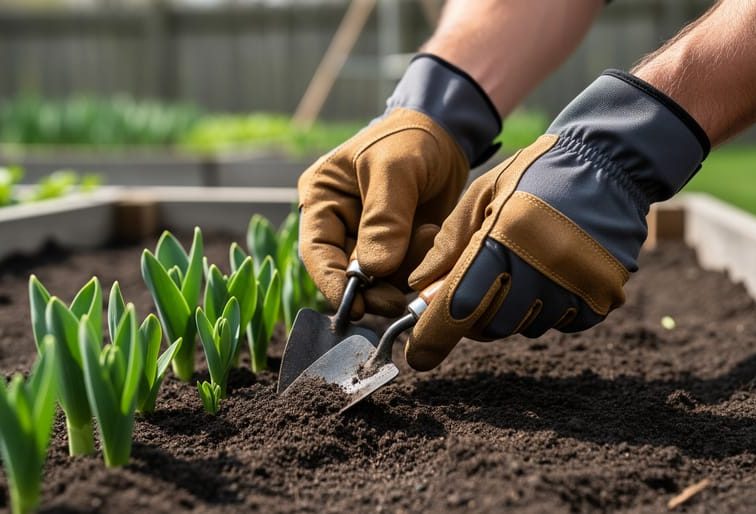
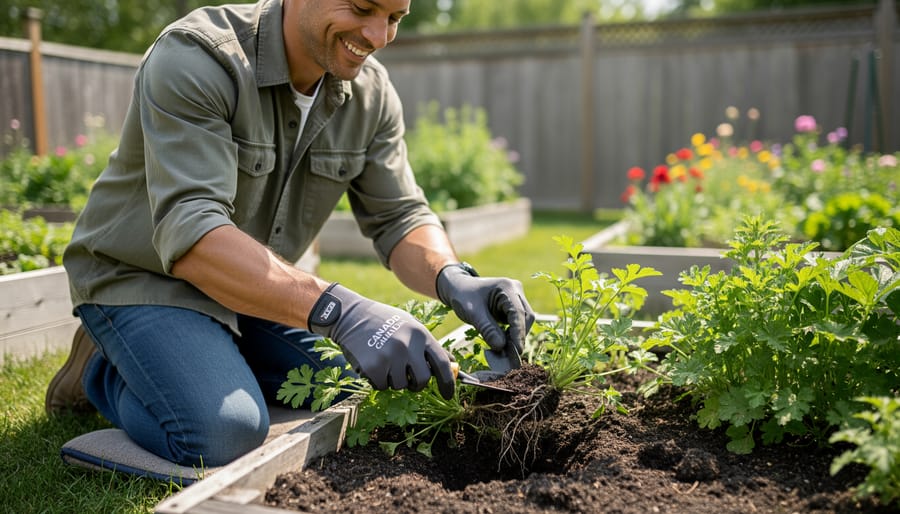
Proper gloves do more than keep your hands clean. They create a barrier that protects against blisters when you’re digging beds or wielding pruners for hours. They shield you from thorns when tending roses, prevent splinters during staking work, and keep moisture out when you’re pulling weeds after rain. I’ve watched community gardeners power through spring planting sessions that would have otherwise required frequent breaks to nurse sore hands.
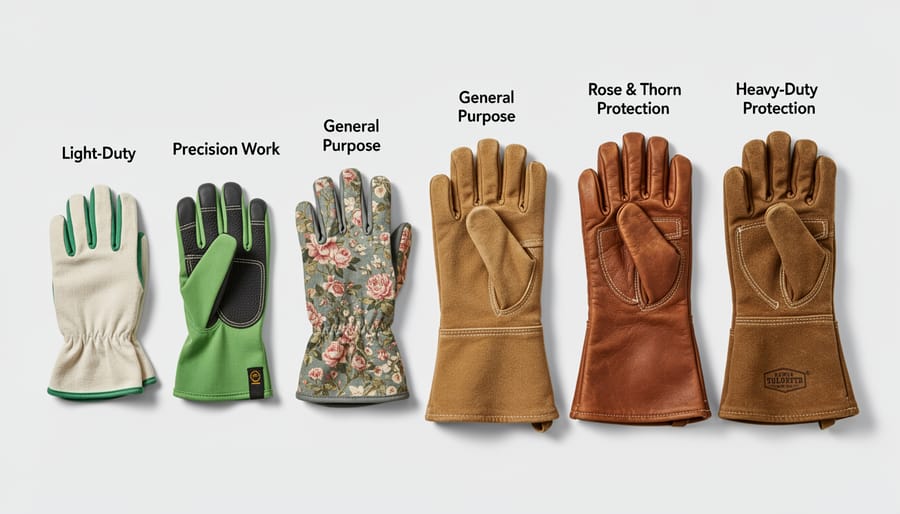
Different tasks genuinely need different gloves. You wouldn’t wear the same pair for turning compost as you would for delicate transplanting work. Rose pruning demands thicker material that thorns can’t penetrate. Wet weather tasks call for water-resistant options. Working alongside smart garden irrigation tools often means damp conditions where breathable yet protective gloves make all the difference.
If you’re just starting out, don’t let the options overwhelm you. There’s no single perfect glove for everyone, but there is a perfect pair for you and your gardening style. Start with one versatile pair for general tasks, then add specialized gloves as you discover what you need. Your hands will thank you.
Understanding Glove Styles and What They’re Actually For
The glove aisle can feel confusing at first, but once you understand the three main styles, choosing becomes straightforward. Think of glove height like picking the right rain boot for different weather, it’s all about matching protection to your task.
- Short-cuff gloves
- These end at or just above the wrist and work beautifully for general tasks like planting, weeding, and harvesting. They offer maximum hand dexterity and breathability for lighter garden work.
- Long-cuff gloves
- Extending several inches past the wrist, these protect your lower forearms from scratches, thorns, and dirt when you’re reaching into dense plants or working with roses. Suppliers like higarden offer this style for gardeners who need that extra coverage.
- Elbow-length gloves
- Rising nearly to your elbow, these provide serious protection for tasks like pruning thorny shrubs, clearing brambles, or reaching deep into compost bins. They’re the go-to choice when you’re tackling prickly or messy jobs that would otherwise leave your arms scratched up.
Most Canadian gardeners find they gravitate toward one primary style based on what they grow and how they garden. If you’re tending vegetables and flowers without many thorns, short-cuff gloves might handle 90% of your needs. Community gardeners working with perennial beds full of roses or berry bushes often reach for long-cuff options as their everyday pair.
The elbow-length style shines in specific situations rather than daily use. Think of it as specialized gear for particular projects, clearing overgrown areas, managing blackberry canes, or winter pruning of thorny ornamentals. Higarden’s elbow-length offerings give you that full-arm protection when short gloves just won’t cut it.
Here’s what seasoned gardeners often discover: you don’t need every style right away. Start with one pair that matches your most common tasks, then add others as you encounter situations where you wish you had more coverage. Your gardening style will guide you naturally toward what works best.
Where Canadian Gardeners Can Buy Quality Gloves
Big Box Retailers and Hardware Stores
The Home Depot stores across Canada offer one of the most convenient starting points for finding gardening gloves, especially if you’re new to the search. You can walk in, try on different sizes, and walk out with gloves the same day, no waiting for shipping or guessing at fit. Their Husky Large Grain Cowhide Water Resistant Leather Performance Work Gloves sell for $22, providing solid protection for general garden tasks at a budget-friendly price point. These leather gloves handle well when you’re working with soil, moving materials, or tackling projects where you might also need to choose garden pots and supplies in the same trip.
The real advantage here is accessibility. Most Canadian communities have a Home Depot or similar hardware store within reasonable driving distance, and their garden departments typically stock gloves year-round, though selection peaks in spring. Being able to physically try gloves on matters more than you might think, since even within the same brand, fit can vary between styles. You’ll get an immediate sense of whether the cuff length works for you and if the fingers allow enough dexterity for your gardening tasks.
Specialty Gardening Suppliers
Specialty retailers offer something different than the convenience of big box stores: curated selections chosen specifically for serious gardeners. Lee Valley’s online Gardening Gloves collection brings together quality options that reflect their reputation for well-made tools. You won’t find hundreds of choices here, but what they do carry has been selected with Canadian gardeners in mind.
higarden represents the other end of the specialty spectrum with their focused approach to gardening gloves. Their mid-rise gloves start at $38 and high-rise options at $40, reflecting a commitment to thoughtful design rather than budget pricing. What you’re paying for is their signature fit, engineered to be comfortable and supportive rather than just functional. They provide a detailed size guide to help you choose correctly the first time.
The real advantage of specialty suppliers shows up when you have specific needs. Rose gardeners dealing with thorns, vegetable growers working in wet soil, or anyone who’s struggled with blisters from ill-fitting gloves will appreciate the attention to detail these retailers bring. You’re not just buying gloves off a shelf. You’re tapping into expertise about what actually works in Canadian gardens.
What You’ll Actually Pay: Real Canadian Price Points for 2026
Let’s talk real numbers. If you’re worried that quality gardening gloves will cost a small fortune, I’ve got good news for you.
After checking current prices across Canadian retailers, here’s what you can expect to pay in 2026. Budget-friendly options start around $20 to $25 and work perfectly well for general gardening tasks. The Home Depot carries their Husky Large Grain Cowhide Water Resistant Leather Performance Work Gloves for $22, which offer solid protection for basic digging, weeding, and transplanting. These are the kind of gloves that’ll serve you well through your first few seasons without requiring a big financial commitment.
Mid-range gloves, typically $30 to $45, bring specialized features like better fit, longer cuffs for thorns and brambles, or materials designed for specific tasks. higarden’s mid-rise gloves start at $38, while their high-rise style begins at $40. These invest in better materials and thoughtful design that community gardeners say make hours in the garden noticeably more comfortable.
| Retailer | Product Example | Price | Best For |
|---|---|---|---|
| The Home Depot | Husky Grain Cowhide Work Gloves | $22 | General gardening, budget-conscious beginners |
| higarden | Mid-rise gardening gloves | $38 | Rose pruning, extended comfort |
| higarden | High-rise gardening gloves | $40 | Brambles, maximum forearm protection |
The good news? You don’t need the most expensive pair to start. Many experienced gardeners own multiple pairs: a budget option for messy jobs and a nicer pair for detailed work. Start with what fits your budget, and you’ll quickly discover what features matter most for your gardening style. Quality gloves are an investment in your comfort, but they shouldn’t keep anyone out of the garden.
Solving the Sizing Puzzle: How to Get Gloves That Actually Fit
Here’s a secret many new gardeners discover the hard way: gardening gloves fit differently than winter gloves or work gloves you might already own. They’re designed to fit looser, giving your hands room to move and breathe while you work. That roomier fit prevents blisters and keeps your hands comfortable during extended planting sessions, but it can make choosing the right size feel like guesswork when you’re shopping online.
Start by measuring your hand width across your palm at its widest point, just below your knuckles. Most glove manufacturers use this measurement for sizing charts. If you fall between sizes, consider what you’ll be doing most often. Tighter-fitting gloves offer better dexterity for delicate tasks like transplanting seedlings, while a looser fit works well for heavy digging or raking where grip precision matters less than protection.
Companies like higarden have developed signature fits designed specifically for gardening comfort and support, and they provide detailed size guides to help match your measurements to their styles. Taking a few minutes to check these resources before ordering saves the frustration of ill-fitting gloves arriving at your door.
The ideal scenario? Try gloves on in person at a garden center or hardware store before buying. Many Canadian gardeners report that what feels slightly too roomy in the store often becomes perfectly comfortable once you’re actually working in the soil. Your hands warm up and sometimes swell slightly during physical activity, so that bit of extra space becomes an asset rather than a problem.
If you’re ordering online and unsure about sizing, read customer reviews for insights about whether particular brands run small or large. Fellow gardeners often share whether they sized up or down, and those real-world experiences can guide your choice better than any measurement chart alone.
Community Voices: What Fellow Canadian Gardeners Recommend
Maria from Halifax swears by the long-cuff gloves she picked up at her local garden center after thorning her wrists one too many times on her climbing roses. She admits the higher price point made her hesitate, but three seasons later, they’re still going strong. Meanwhile, Thomas in Winnipeg took the opposite approach, grabbing a basic pair from his neighborhood hardware store for weekend soil prep, and he couldn’t be happier with them for general tasks.
What strikes me most about conversations with gardeners across the country is how personal glove choice really is. Some folks prioritize local shopping so they can try on different sizes before buying, especially since those sizing guides online can feel not available when you need them most. Others appreciate the convenience of ordering specialty gloves online and using detailed size charts to find their fit.
Several community members mentioned discovering their favorite gloves almost by accident. One gardener from Ontario found her perfect pair while browsing a specialty retailer’s website late one night, while another stumbled upon his go-to brand at a big box store during a lumber run. The common thread isn’t where they shopped, but that they took time to figure out what mattered most for their hands and their gardens.
The advice that comes up again and again? Don’t be afraid to start simple and build your collection over time. Your first pair doesn’t have to be perfect. Many gardeners keep multiple pairs now, reaching for different gloves depending on whether they’re weeding, pruning, or working with wet soil. That kind of wisdom only comes from getting your hands dirty and learning what works for you.
Making Your Gloves Last: Sustainable Care Practices
Taking care of your gardening gloves is one of those small acts that connects directly to sustainable living. When you invest in a good pair and then make them last season after season, you’re reducing waste and saving money while showing respect for the resources that went into making them.
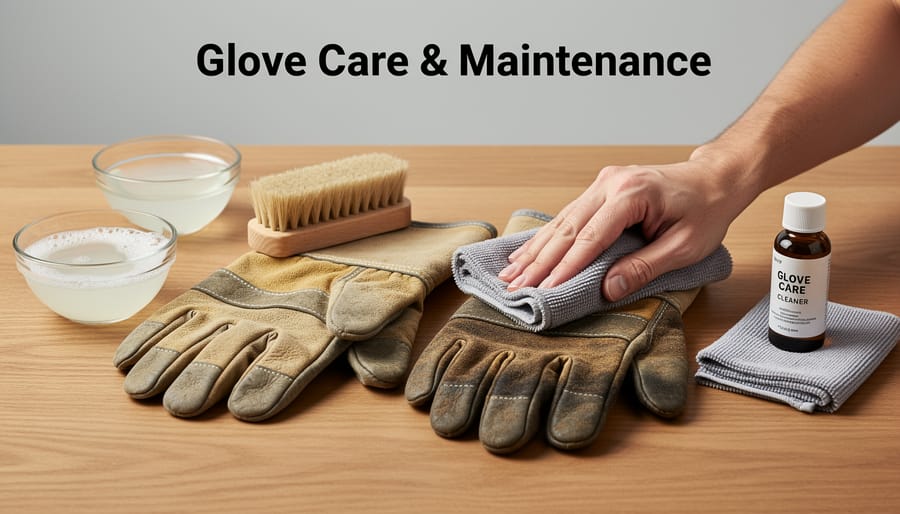
The basics of glove care are simpler than you might think. Most gardening gloves benefit from a quick rinse after messy tasks, especially when you’ve been working with wet soil or handling fertilizers. Just run them under cool water and gently squeeze out the dirt. For leather gloves, brush off dried soil with a soft brush rather than soaking them. Let all gloves air dry completely before storing them, preferably in a spot with good airflow and away from direct sunlight, which can break down materials over time.
Here’s a straightforward routine that many community gardeners follow:
- Rinse gloves in cool water after each use to remove soil and debris before it sets in.
- Squeeze out excess water gently without wringing or twisting the material.
- Hang or lay flat to dry in a shaded, well-ventilated area, never near heat sources.
- Store completely dry gloves in a basket or drawer where air can circulate around them.
- Check periodically for small tears and repair them promptly with fabric glue or patches.
Think of glove maintenance the same way you’d think about caring for tools when overwintering perennials. A little attention now prevents problems later. If your gloves develop an odor, hand wash them with mild soap and rinse thoroughly. Some synthetic gloves can handle a gentle machine wash in a mesh bag, but always check the care label first.
When gloves finally wear out beyond repair, consider their materials. Some can be composted if they’re natural fibers without synthetic coatings. Others might find new life as padding for tool handles or knee cushions for garden work. This mindful approach to care and eventual disposal honors both your investment and the environment.
Finding the right gardening gloves is more than just a practical decision. It’s a way of honoring the work your hands do in the garden and caring for yourself as you care for the earth. Whether you’re choosing budget-friendly options from The Home Depot or investing in specialized gloves from suppliers like higarden or Lee Valley, you’re making a choice that supports both your gardening journey and sustainable practices.
The good news? Every Canadian gardener can find gloves that fit their needs, budget, and local shopping preferences. You don’t need to settle for blisters or sore hands, and you certainly don’t need to feel overwhelmed by the choices.
We’d love to hear about your own glove discoveries. What brands have worked well for you? Where did you find the best fit? Have you stumbled upon a local shop with great selection? Share your experiences and recommendations with the Gardening Life Community Project. Your insights might be exactly what another gardener needs to hear. After all, we grow best when we learn together.