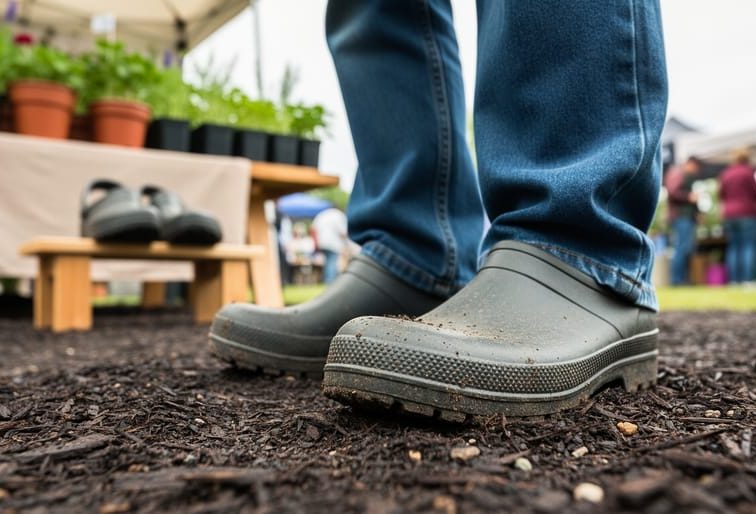

The best place to discover gardening clogs that actually fit your needs is at Canadian garden shows and specialty nursery events, where you can slip them on, walk through mulch beds, and hear honest feedback from fellow gardeners before you buy.
Shopping online for garden footwear means guessing at comfort and traction. At gardening destinations and seasonal events across Canada, you get something better: the chance to test multiple clog styles on real terrain, compare arch support while standing at vendor booths, and chat with growers who’ve worn the same pairs through seasons of muddy spring planting and summer weeding. We’ve found that gardeners who choose clogs at these events report higher satisfaction because they’ve already confirmed the fit feels right during actual movement, not just while standing on a showroom floor.
This approach mirrors the same thoughtful process many of us use for new tree care where success comes from understanding your specific conditions before committing. Garden events create a low-pressure environment to ask questions you might feel shy about online: Do these clogs run narrow? Will the tread grip wet stone paths? Can I hose them off daily without the footbed deteriorating? Vendors at these gatherings expect these conversations and often wear their own products, giving you real-world insight you won’t find in product descriptions.
Whether you’re attending a spring garden festival in Ontario, a sustainable gardening fair in British Columbia, or a community plant swap that’s grown to include curated vendor markets, you’ll encounter clog options suited to Canadian growing conditions and the people who understand them best.
Our Top Picks: Best Events for Finding Quality Gardening Clogs
After visiting gardening events across Canada and connecting with hundreds of community gardeners, we’ve identified seven standout destinations where you’ll find exceptional gardening clogs alongside welcoming, knowledgeable communities. These aren’t just shopping opportunities, they’re chances to test clogs in real garden settings, hear honest recommendations from experienced growers, and discover sustainable brands you won’t find in big-box stores.
Our top picks span spring markets where you can try clogs on mulched paths, community garden open houses offering peer wisdom, and harvest festivals with end-of-season deals. What sets these events apart is the combination of vendor variety, hands-on testing areas, and the genuine gardening expertise surrounding you. We found that the best clog purchases happen when you can walk through demonstration gardens, ask vendors about durability in Canadian climates, and chat with fellow gardeners about what actually holds up through muddy springs and dry summers.
Each event we’ve featured brings something unique to the table, whether it’s sustainability-focused brands, master gardener insights, or simply the warmth of regional horticultural societies sharing decades of collective experience.

How We Chose These Gardening Destinations
We assembled this list by reaching out to gardeners across Canada and visiting events ourselves to see where community members actually discovered clogs that worked for their gardens. Our approach combined direct observation with input from dozens of Canadian gardening groups, sustainability organizations, and regional horticultural societies who shared which destinations consistently delivered helpful vendor experiences and genuine peer recommendations.
We focused on six core criteria when evaluating each event:
- Vendor quality and variety, events featuring multiple reputable clog brands with knowledgeable representatives
- Community atmosphere, spaces where gardeners freely share recommendations and experiences
- Accessibility across Canada, representation from different provinces and climate zones
- Sustainable practices, prioritizing events that highlight eco-friendly footwear options and zero-waste initiatives
- Hands-on testing opportunities, dedicated areas where attendees can try clogs in realistic settings
- Educational workshops, sessions led by master gardeners or long-time community members discussing practical gear choices
We gathered stories from gardeners who found their go-to clogs at these venues, paying attention to which events sparked the most enthusiastic recommendations in follow-up conversations. Events made our list when multiple community members independently mentioned discovering durable clogs there or when organizers demonstrated clear commitment to connecting attendees with quality vendors rather than simply filling booth space. We also weighted accessibility heavily, ensuring gardeners from different regions could find a relevant destination nearby rather than traveling across the country.
Event Comparison at a Glance
Choosing the right gardening event depends on your location, schedule, and what matters most in your clog search. We’ve attended these events across Canada and mapped out what each offers to help you plan your visits.
| Event Type | Region | Season | Clog Selection | Community Focus |
|---|---|---|---|---|
| Spring Garden Festivals | Major cities nationwide | April, May | Wide brand variety, testing stations | Hands-on demos, vendor talks |
| Community Garden Open Houses | Local neighbourhoods | Year-round | Practical everyday styles | Peer recommendations, real-use stories |
| Sustainable Living Expos | Urban centres | Spring & Fall | Eco-friendly materials, recycled options | Sustainability workshops |
| Fall Harvest Festivals | Rural & suburban | September, October | Discounted stock, seasonal clearance | Harvest celebrations, preserving demos |
Spring festivals bring the largest selection and newest releases, while fall events offer better deals as vendors clear inventory. Community garden open houses happen more frequently but feature fewer vendors, giving you concentrated time with each brand. If sustainability drives your choice, target expos that specifically highlight eco-conscious brands. Regional horticultural society gatherings and master gardener workshops run on varied schedules, so check local calendars early to catch these more intimate events where experienced gardeners share honest feedback.
1. Spring Garden Festival Markets, Try Before You Buy
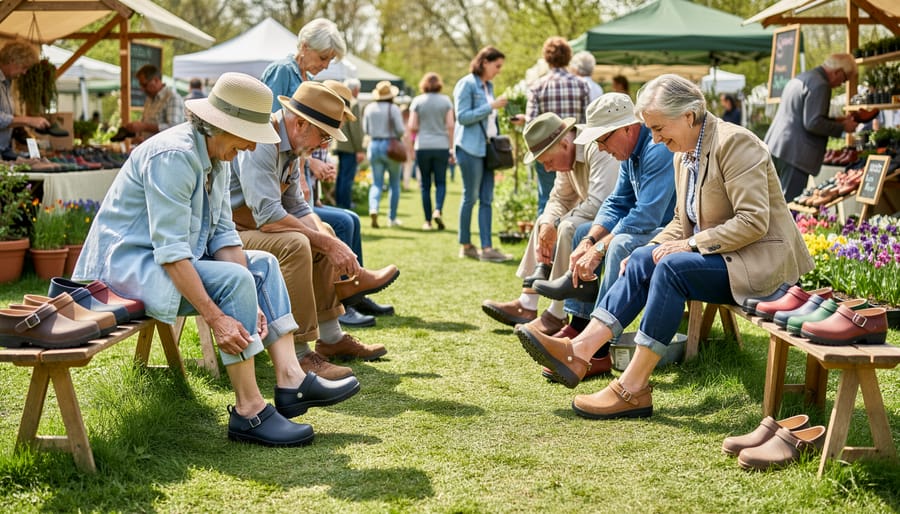
Spring garden festivals draw thousands of Canadian gardeners every April and May, creating the perfect environment to test gardening clogs on actual garden surfaces. We’ve visited multiple spring markets across Ontario, British Columbia, and Alberta, where vendors set up demo areas with soil beds, gravel paths, and even muddy patches mimicking real garden conditions.
The hands-on testing stations make all the difference. At Toronto’s annual Spring Garden Market, Sarah Chen told us she spent twenty minutes walking between vendor stalls in three different clog styles before choosing a pair. “I could feel which ones gripped properly on wet stone and which slipped,” she explained. That immediate feedback beats ordering online and hoping they work.
Most spring festivals feature five to eight footwear vendors alongside plant sellers and tool demonstrations. The sustainable brands typically cluster together, showcasing clogs made from recycled materials or natural rubber. We found these eco-friendly options often carry slightly higher price tags, expect $55 to $90 compared to conventional clogs at $35 to $65, but vendors emphasize their multi-season durability.
Look for clogs with deep tread patterns when you’re testing them on-site. Press your thumb into the sole material; it should flex but spring back quickly. Ask vendors about their warranty policies right there, and don’t hesitate to walk around the entire festival grounds wearing test pairs. The best vendors encourage this because they know confident customers become repeat buyers.
2. Community Garden Open House Days, Local Wisdom and Recommendations
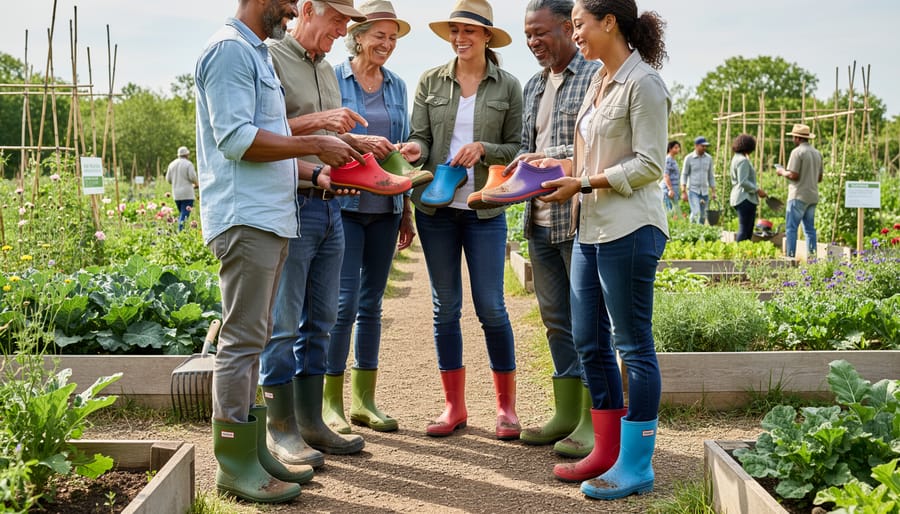
Community garden open houses are treasure troves for finding practical gardening clogs through the most trusted source available: fellow gardeners who actually use them. These welcoming events typically run on weekend afternoons throughout spring and summer, when local plots open their gates to visitors and often host pop-up vendor tables alongside garden tours.
What makes these gatherings special is the genuine, unfiltered advice you’ll hear while walking the pathways. We’ve found that gardeners volunteering at these sites wear their clogs for hours at a stretch, weeding, hauling compost, tending raised beds, and they’re remarkably candid about what works and what doesn’t.
At a Toronto community garden open house last season, we met Sarah, who volunteers three mornings weekly on her small space patio plot and the shared beds. She swears by clogs with deep tread and closed toes after a blister incident with fashionable-but-flimsy pairs. Her recommendation? Look for models gardeners wear until they’re caked in mud, not the pristine ones that stay clean because they’re uncomfortable.
These open houses also reveal regional preferences. Coastal BC gardeners prioritize quick-draining materials for wet spring conditions, while prairie volunteers emphasize sturdy arch support for clay soil digging. Pop-up vendors at these events often offer community member discounts, and you can test clogs on actual garden terrain, uneven paths, mulched beds, gravel, before committing. The peer wisdom you gather beats any online review.
3. Sustainable Living Expos, Eco-Friendly Clog Options
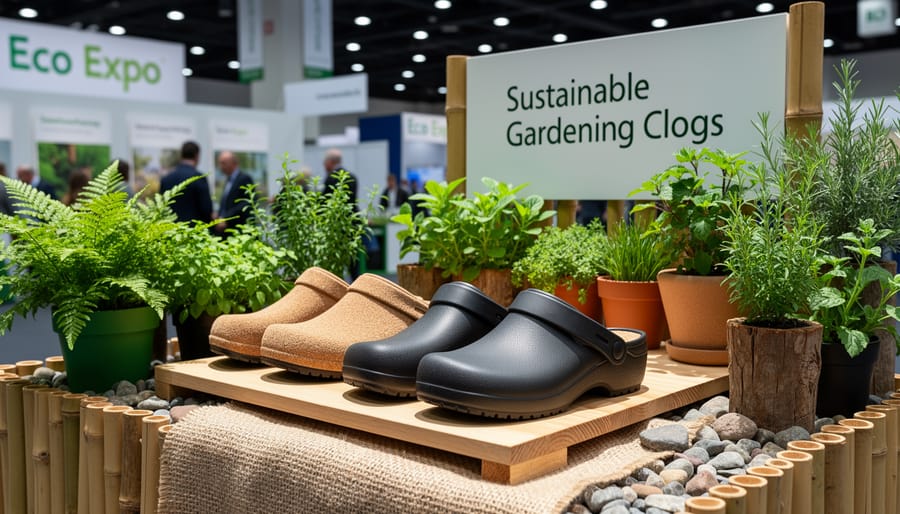
At sustainable living expos across Canada, we’ve watched the gardening community’s growing interest in earth-friendly footwear options intersect with vendor offerings that genuinely deliver on environmental promises. These events gather brands committed to recycled materials, biodegradable components, and transparent supply chains, all while maintaining the durability and comfort gardeners need through multiple growing seasons.
Walk through the vendor aisles at events like Vancouver’s Green Living Show or Toronto’s Eco-Expo, and you’ll find clog manufacturers explaining their material sourcing in detail. Natural rubber soles from responsibly managed plantations, uppers made from recycled ocean plastics, and foot-beds incorporating cork and plant-based foams create footwear that performs well without relying on virgin petroleum products. The brands present at these expos typically offer take-back programs for worn-out pairs, closing the loop on product lifecycle.
We spoke with Marta from Guelph, who discovered her favourite eco-clogs at a sustainability expo three years ago. “I was skeptical that recycled materials could hold up to wet clay and constant hosing down,” she shared. “But I’m still wearing the same pair through my fourth season. They’ve outlasted conventional clogs I bought years earlier, and I love knowing they came from reclaimed materials rather than adding new plastic to the world.”
These expos also feature workshops on reducing gardening waste and building healthy soil, creating natural connections between sustainable practices in the garden and the gear you choose. Vendors often provide side-by-side material samples so you can feel the difference between conventional and eco-friendly options yourself, making it easier to understand what you’re investing in for both performance and environmental impact.
4. Master Gardener Workshop Series, Expert-Approved Footwear
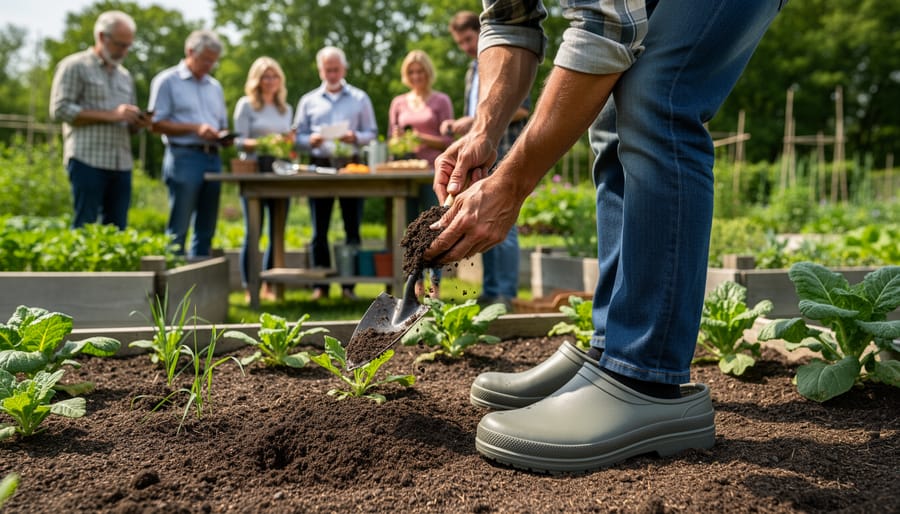
Educational master gardener workshops across Canada have become unexpected goldmines for practical footwear advice. These certification programs and continuing-education series bring together experienced horticulturists who’ve spent years on their feet in every soil condition imaginable, and they’re refreshingly candid about what actually works.
We attended several workshop sessions where master gardeners demonstrated techniques from companion planting to soil amendment, and footwear came up repeatedly. The professionals emphasized features that beginners often overlook: substantial arch support for long transplanting sessions, true waterproofing rather than water-resistance, and deep tread that releases clay-heavy soil easily. One instructor in Southern Ontario showed her well-worn clogs and explained why she replaced decorative ventilation holes with solid construction after too many pebbles worked their way inside during pathway maintenance.
The workshops revealed that experienced gardeners prioritize stability over style. They want clogs with wide bases that won’t tip on uneven ground, heel cups that prevent slipping when stepping backward from garden beds, and materials that won’t crack during temperature swings. Several master gardeners mentioned choosing slightly larger sizes to accommodate thick moisture-wicking socks during early spring and late fall sessions.
What makes these workshops particularly valuable is the willingness to discuss failures. Instructors openly share which popular clog features proved impractical in real garden conditions, helping newcomers avoid costly mistakes while learning proper techniques.
5. Fall Harvest Festivals, End-of-Season Clog Deals
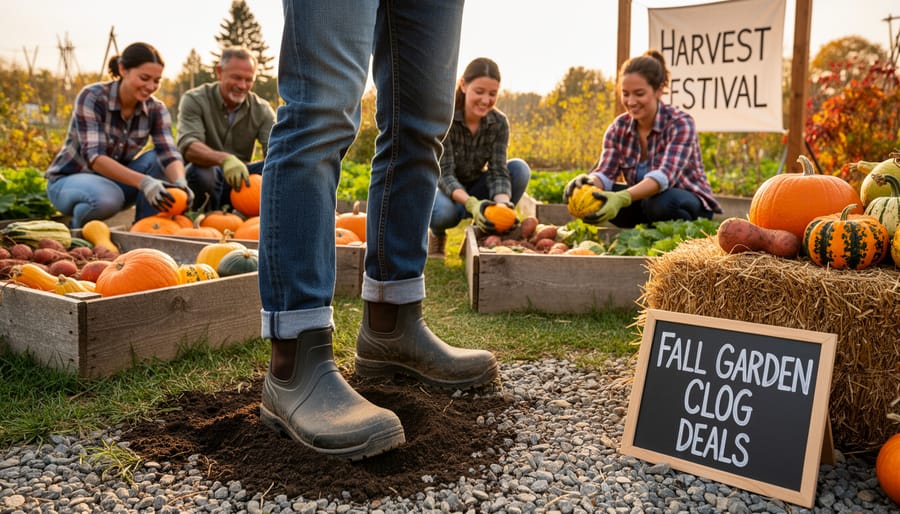
Fall harvest festivals create the perfect opportunity to find quality gardening clogs at budget-friendly prices while celebrating the season’s bounty with your local gardening community. As vendors prepare to close out their outdoor event season before winter, many offer significant discounts on footwear and equipment inventory they’d rather sell than store through the cold months.
We found these late-season events across various Canadian hardiness zones particularly rewarding for discovering deals. Vendors are motivated to negotiate, and the relaxed harvest atmosphere encourages genuine conversations about which clogs have held up through the growing season versus which disappointed.
Sarah from Edmonton shared how she scored a pair of high-quality gardening clogs for forty percent off at her neighbourhood harvest festival last October. “The vendor let me try them on right there in the pumpkin patch,” she laughed. “I could feel immediately they’d handle our muddy spring thaw better than my old pair. The tread was deeper, and the material felt more substantial.”
Many festivals combine clog shopping with fall activities like seed swaps and preserve exchanges, making the trip worthwhile even beyond finding footwear. Tom, who gardens in Halifax, discovered his favourite clogs at a harvest market three years ago and returned to the same vendor booth this past autumn to recommend them to newcomers. That community knowledge exchange matters as much as the discount.
Watch for bundle deals too. Several vendors offer package pricing when you purchase clogs alongside other end-of-season items like gardening gloves or kneeling pads.
6. Garden Centre Annual Events, Brand Variety and Testing Stations
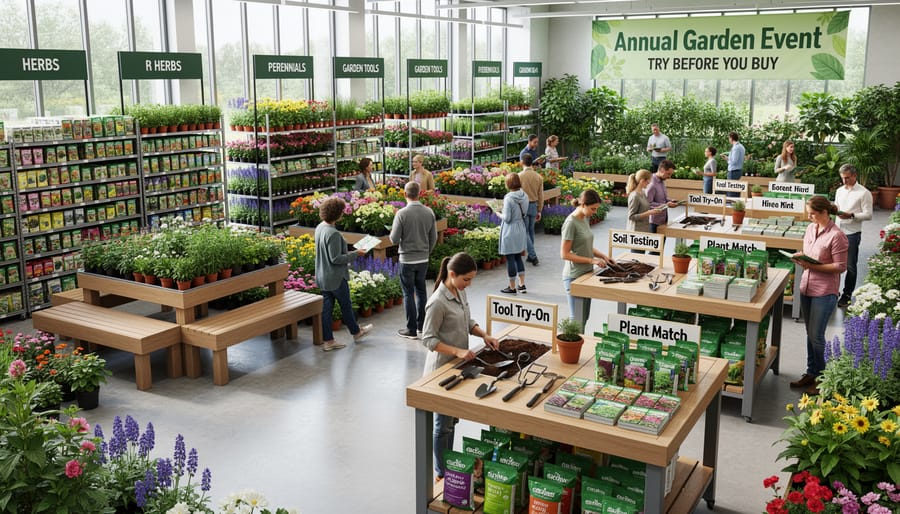
Garden centre annual events are where we consistently find the most comprehensive clog selection under one roof. These gatherings bring together representatives from multiple brands, from established European makers to newer Canadian eco-focused lines, creating a rare opportunity to compare options side by side. We’ve attended several across Ontario and British Columbia and found the dedicated footwear testing stations particularly valuable for hands-on evaluation.
Most centres set up demo areas with different surfaces: gravel paths, wet grass sections, and muddy soil patches that simulate real garden conditions. We tested tread grip on slick surfaces and found how dramatically different sole designs perform when clay sticks to rubber. The vendor representatives answer technical questions about materials and construction methods that you simply can’t get from online product descriptions.
The loyalty program angle matters more than expected. Many garden centres extend their member discounts during these events, and some offer exclusive early access to new clog models before general release. We’ve watched community gardeners coordinate group purchases of community garden tools and footwear together, combining orders to maximize savings.
Timing varies by region, spring events typically run March through May when centres launch growing season promotions. The knowledgeable staff and direct brand access mean you can ask about specific features like arch support or wide sizes that smaller vendors may not stock regularly.
7. Regional Horticultural Society Gatherings, Trusted Community Recommendations
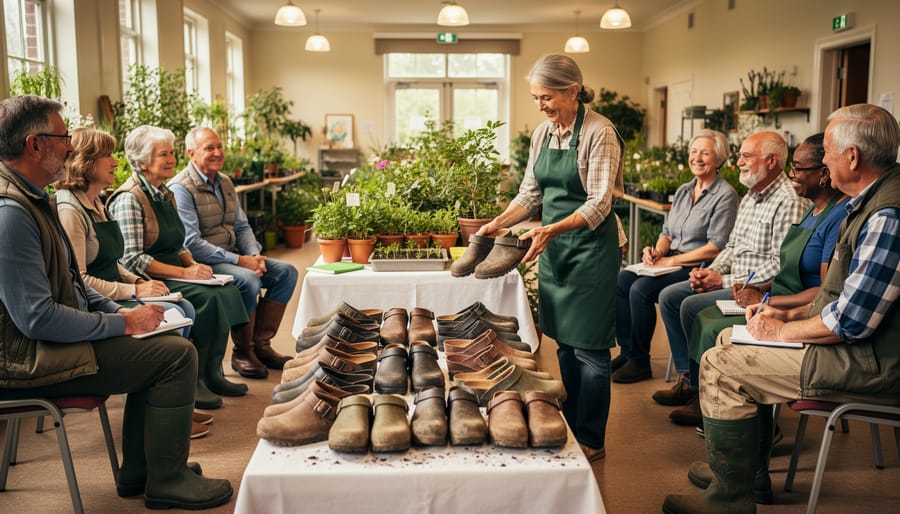
Regional society meetings and annual shows create something special: spaces where decades of gardening experience gets shared over coffee and seed-swap tables. We’ve found these gatherings offer the most honest equipment advice you’ll hear anywhere. Long-time members aren’t selling anything, they’re simply passing along what works.
At a recent Ontario Horticultural Association chapter meeting, we watched a newcomer ask about clogs that wouldn’t crack in cold weather. Three veteran gardeners immediately pulled out their phones to show their own well-worn pairs, explaining which brands survived multiple freeze-thaw cycles and which ones split after one winter. That kind of specific, climate-tested wisdom doesn’t come from product descriptions.
Sarah, who joined her local society in Edmonton last year, told us she’d been struggling with clogs that turned stiff and slippery on frosty mornings. An experienced member recommended checking the rubber compound and sole flexibility before buying, then connected her with a vendor who understood prairie winters. “I never would have known what questions to ask,” Sarah explained. “Now my clogs flex even when it’s near freezing, and the tread actually grips on wet grass.”
These societies often host annual shows where trusted vendors set up tables, knowing members expect quality. The informal testing happens right there, gardeners comparing notes about which clogs held up through clay soil, sandy beds, or rocky mountain gardens. You’re not just buying footwear; you’re tapping into collective knowledge from gardeners who’ve worked every type of Canadian soil.
What to Look for When Shopping for Clogs at Garden Events
When you arrive at a garden event, resist the urge to grab the first pair that catches your eye. We’ve found that taking a methodical approach helps you walk away with clogs that’ll serve you well through countless hours in the garden.
- Arrive early for the best selection of sizes and styles before popular options sell out
- Test clogs on different surfaces if the event offers demo areas, pavement feels nothing like garden soil or mulch
- Check for proper arch support by standing in them for several minutes; your feet will tell you if they’re adequate
- Simulate actual garden movements: squat down, kneel, walk up an incline if possible, and pivot your feet
- Ask vendors about warranty coverage and what happens if you discover fit issues after your first full day wearing them
- Compare prices across multiple vendor booths before committing, and inquire about end-of-day discounts
Pay attention to the tread pattern, deeper lugs grip better on wet grass and muddy paths but collect more debris. Run your hand across the material to gauge thickness; flimsy clogs crack quickly in Canadian freeze-thaw cycles. Look inside for removable insoles, which make cleaning easier and let you swap in custom orthotics if needed.
Don’t hesitate to chat with other gardeners browsing nearby. They’ll often share unfiltered opinions about which brands hold up season after season and which ones fall apart by August.
Common Garden Clog Terms Explained
When you’re browsing vendor tables at garden events, you’ll hear certain terms come up again and again. Understanding these basics helps you ask the right questions and compare options confidently without feeling lost in the jargon.
- Closed-toe vs Open-back Clogs
- Closed-toe clogs fully cover your toes for protection from dropped tools or thorny branches, while open-back designs (often called slip-ons) have no heel coverage for easy on-and-off access. Most gardening clogs feature closed toes with open backs for the best balance of protection and convenience.
- EVA Foam
- A lightweight, cushioning material (ethylene-vinyl acetate) that many clog manufacturers use because it’s flexible, shock-absorbing, and easy to clean after muddy garden sessions.
- Water-resistant vs Waterproof
- Water-resistant clogs repel light moisture and splashes but will eventually absorb water if submerged, while waterproof materials keep your feet completely dry even when standing in puddles or hosing down beds.
- Contoured Footbed
- The shaped interior surface that follows your foot’s natural curves rather than lying flat, providing better weight distribution during long planting sessions.
- Slip-resistant Tread
- Deep grooves and textured patterns on the sole that grip wet grass, muddy paths, and smooth patio stones to prevent falls.
- Arch Support
- Built-in elevation under the middle of your foot that reduces strain during extended standing and helps prevent fatigue when you’re weeding or transplanting for hours.
Don’t hesitate to ask vendors to show you these features in person, most are happy to flip clogs over, point out footbed contours, and let you feel material differences between models. The hands-on comparison at events gives you context that online descriptions simply can’t match.
Connecting Community and Comfort: Stories from the Garden
Maria Chen still remembers standing in a muddy demo plot at the Vancouver Community Gardens Spring Showcase, skeptical that a single conversation could change her gardening routine. She’d been dealing with blistered heels and soaked socks for two seasons, convinced that discomfort was just part of hands-on gardening. Then she met Anne, a master gardener from Victoria who’d brought three different pairs of clogs to show newer gardeners exactly what worked in Pacific Northwest conditions.
“Anne didn’t just talk about arch support in theory,” Maria says. “She had me try on her backup pair right there in the garden bed, walk across gravel, test the grip on wet wood chips. I learned more in ten minutes than I had from reading reviews for weeks.”
That’s the magic of discovering clogs through garden events, you’re not shopping in isolation. You’re surrounded by people who’ve actually worked through muddy springs and scorching summer afternoons, who know which features matter when you’re hauling compost or kneeling in damp soil for hours. James from a Winnipeg community garden found his winter-worthy clogs after a fellow volunteer showed him the insulation lining that kept her feet comfortable during late-fall cleanups. Sarah discovered her favorite brand at a Halifax harvest festival when another gardener explained why the tread pattern mattered for her sloped yard.
These connections build more than gear knowledge, they build the confidence to grow.
What to Watch For
Before you head to your first gardening event, set yourself up for success by knowing what matters most when you’re standing in front of a vendor table. Pay close attention to how clogs feel on bare feet versus with your usual gardening socks, many experienced gardeners size up half a size to accommodate thicker socks during cooler months, and testing both scenarios at the event prevents sizing disappointment later.
Watch for clogs with drainage holes positioned where they won’t let in too much soil while still allowing water to escape quickly, we’ve found the sweet spot is typically three to five holes positioned slightly higher on the sides rather than directly at the base. Ask vendors whether their clogs resist cracking in Canadian winters if you plan to store them in an unheated shed or garage, since temperature fluctuations destroy cheaper plastic materials within a single season. Don’t hesitate to bend and flex the clog in your hands to assess material quality; flimsy construction shows itself immediately when you apply pressure to the sole and sides.
Common Questions About Finding Gardening Clogs at Events
We hear these questions all the time from community members planning their first event shopping trip, and they’re all worth addressing before you head out.
Are clogs at events more expensive than buying online?
Not necessarily. Many vendors offer event-only pricing to move inventory and build customer relationships, and you save on shipping costs. The real value comes from trying multiple styles on the spot instead of ordering and returning several pairs.
Can I return clogs bought at festivals if they don’t work out?
Most reputable vendors honor returns within a reasonable window, but always ask about their specific policy before purchasing. Get a business card and keep your receipt, as some smaller vendors only accept exchanges at their next event appearance.
How do I figure out my size without trying on tons of pairs?
Start with your regular shoe size and mention whether you typically size up or down in casual footwear. Vendors at garden events expect sizing questions and can guide you based on their brand’s fit tendencies, plus most demo areas let you walk around on grass or gravel to test comfort.
Do vendors give discounts to community garden members?
It varies, but many vendors appreciate supporting organized gardening groups and may offer a small percentage off or throw in accessories. Bring your membership card and simply ask, the worst they can say is no.
If you’re worried about finding your size at smaller events, arrive early when selection is fullest, or contact featured vendors beforehand through event organizers to confirm they’ll have your size available. We’ve found that building a quick relationship with a vendor often means they’ll set aside a pair for you at their next appearance if this event sells out.
Visiting gardening events isn’t just about picking up new gear, it’s about finding your people. When you try on clogs between conversations about composting methods and swap stories with the gardener who’s been working the same plot for twenty years, you’re building the kind of knowledge you can’t get from any online review. You’re learning which brands hold up through Canadian winters, which treads grip best on wet clay, and which vendors stand behind their products season after season.
We’ve found that the gardeners who take time to attend community events often discover more than comfortable footwear. They find mentors, inspiration for next season’s beds, and friendships rooted in shared dirt under their fingernails. Whether you’re heading to a spring market to test vendor demos or catching end-of-season deals at a harvest festival, you’re investing in both your garden and your community.
Your experience matters to fellow gardeners across Canada. Join the Gardening Life Community Project to share which events led you to your perfect clogs, which vendors went above and beyond, or how a chance conversation changed your approach to garden footwear. Every recommendation you offer helps another gardener step more comfortably into their plot, and that’s what community growing is all about.