
Across Canada, Sunday gardening events run year-round, though the busiest season stretches from late April through early October when community gardens, botanical centres, and heritage estates host their weekend tours, workshops, and volunteer workdays. If you’re looking to dig in alongside fellow gardeners, spring and early summer offer the widest variety of hands-on planting sessions and propagation workshops, while fall brings harvest festivals, seed-saving clinics, and garden clean-up days that welcome newcomers and seasoned growers alike.
Your local climate zone shapes the calendar more than any other factor. Coastal British Columbia gardens often schedule Sunday events as early as March, when daffodils bloom and soil warms enough for cool-season crops. Prairie communities, facing shorter growing windows, concentrate their Sunday programming between May and September. Eastern gardeners find mid-May through June ideal for perennial society sales and iris walks, then see a second wave of activity in September as demonstration gardens showcase late-season colour and preservation techniques.
Community gardens typically post their Sunday schedules in late winter, allowing you to plan attendance around skill-building sessions like composting demos or tool-sharpening clinics. Many programs rotate themes weekly, so one Sunday might focus on pollinator habitat while the next tackles container gardening for small spaces. Newcomers appreciate this variety; you can sample different techniques without committing to a full course, meet gardeners who share your interests, and leave with cuttings, seeds, or starter plants to continue the work at home.
Quick Answer: Peak Sunday Gardening Event Season
The typical Sunday gardening event calendar follows Canada’s growing season closely. You’ll find the highest concentration of outdoor events between late May and early September, when gardens are at their most vibrant and weather cooperates for hands-on activities. These summer months bring open garden tours, community workdays, plant sales, and family-friendly harvest celebrations.
Spring Sundays in April through early June focus on getting gardens started, think seedling swaps, planting demonstrations, and soil preparation workshops. Fall events from September into October shift toward harvest festivals, seed-saving clinics, and preparation for the next growing season.
Regional timing varies significantly. Coastal British Columbia may host outdoor events as early as March and as late as November, while Prairie provinces concentrate most activities between late May and early September due to shorter growing windows. Even in winter months, many communities offer indoor Sunday sessions covering topics like garden planning, pruning techniques, and seed catalogue reviews, keeping the gardening conversation alive year-round.
Sunday Gardening Event Calendar: When to Go
Spring Sundays (April, June)
Spring is when Sunday gardening events truly come alive across Canada. As the ground thaws and planting windows open, community gardens, horticultural societies, and garden centres pack their Sunday calendars with hands-on learning opportunities.
Seedling swaps dominate early spring Sundays, typically running from late April through May. These gatherings let you trade homegrown starts with neighbours while picking up growing tips from experienced gardeners. You’ll find tomato seedlings, herb transplants, and perennial divisions changing hands, often for free or by donation.
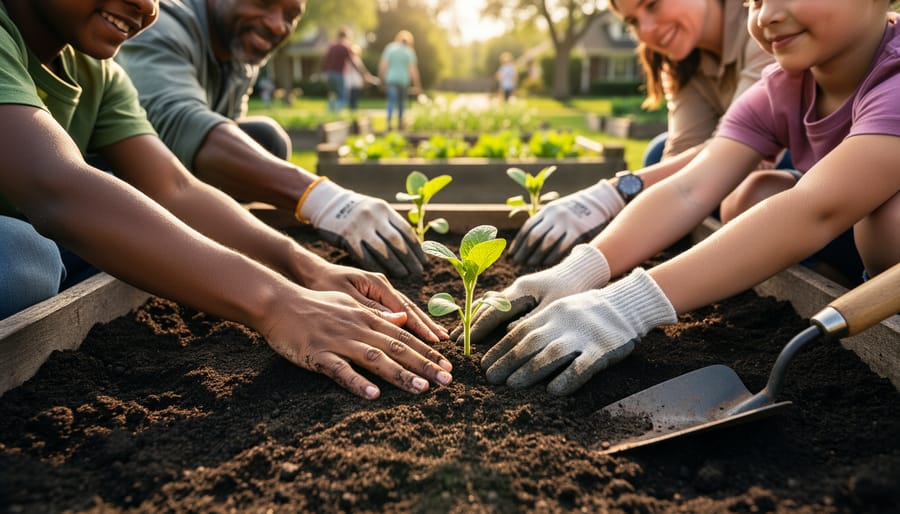
Planting workshops ramp up in May and early June, timed perfectly with frost-free dates in most regions. Local experts demonstrate direct seeding techniques, transplanting methods, and companion planting strategies. Many community gardens host kick-off workdays where members prepare beds, spread compost, and get plots ready together.
Garden centre open houses peak on spring Sundays too. Staff-led demos cover everything from container gardening to pest management, and you can ask questions while shopping for plants suited to your zone.
Spring Sundays are the busiest because everyone’s eager to get their hands dirty after winter. The energy is infectious, the weather’s cooperative, and there’s still time to course-correct if your first plantings don’t take. It’s prime time for learning by doing.
Summer Sundays (July, August)
July and August mark the height of Sunday gardening events across Canada, when gardens hit their stride and communities come together to celebrate the season’s bounty. This is peak tour season, homeowners proudly open their backyard paradises for afternoon visits, while botanical gardens and heritage estates host guided walks showcasing summer borders in full bloom. You’ll find perennials at their showiest, vegetable plots loaded with produce, and containers spilling over with colour.
Community gardens throw harvest festivals on summer Sundays, where families gather to pick fresh produce, share recipes, and enjoy potluck meals under the shade of mature trees. Many events feature live music, kids’ activities like sunflower measuring contests, and informal plant swaps where gardeners trade surplus seedlings. The atmosphere shifts from the instructional focus of spring to pure celebration and connection.
Open garden days become social gatherings, with hosts offering lemonade on the patio and swapping stories about what worked (and what didn’t) this growing season. Summer Sundays attract the most diverse crowds, seasoned growers hunting for design inspiration, families introducing children to where food comes from, and neighbours simply enjoying beautiful outdoor spaces together. Bring a camera, wear comfortable shoes, and plan to linger. These aren’t quick visits; they’re unhurried afternoons that remind us why we garden in the first place.
Fall Sundays (September, October)
September and October transform Sunday garden gatherings into celebration-meets-classroom events. You’ll find harvest festivals bursting with freshly dug potatoes, fat pumpkins, and tables groaning under preserves made from community plot yields. These aren’t just parties, they’re chances to taste what’s possible and swap recipes with the folks who grew the ingredients.
Seed-saving workshops pop up everywhere as gardeners collect and dry their best seeds for next year. Expect hands-on demos showing you how to properly harvest tomato seeds, separate squash varieties to prevent cross-pollination, and store everything so it actually sprouts come spring. Many events send you home with labelled envelopes and a new skill.
Fall planting clinics focus on garlic, bulbs, and cover crops, the work that sets up next season’s success. Community gardens often host end-of-season cleanup days followed by potlucks, where tired but happy gardeners share what worked, what flopped, and what they’ll try differently. The mood shifts from summer’s abundance to thoughtful preparation, and the conversations run deeper as everyone reflects on lessons learned and plans improvements for the year ahead.
Winter Sundays (November, March)
When the ground freezes and outdoor gardening pauses, Sunday events shift indoors, and the focus changes from getting dirt under your fingernails to sharpening your knowledge and connecting with fellow gardeners. Winter Sundays from November through March are prime time for planning workshops where you’ll map out next season’s beds, browse seed catalogues together, and swap ideas over coffee.
Community centres, libraries, and garden club meeting rooms host talks on everything from soil health to companion planting. You’ll find pruning demonstrations using dormant branches, winter sowing sessions where you plant seeds in milk jugs to cold-stratify outdoors, and seed-saving workshops that teach proper storage techniques. Botanic gardens often run lecture series on Sundays, covering topics like native plants or sustainable practices.
These quieter months build community in a different way. Without the rush of planting season, there’s time for real conversations, mentorship between experienced and new gardeners, and the kind of deep learning that gets lost in summer’s busyness. You’ll leave with notebooks full of ideas, new friendships, and a clear vision for spring, all while staying warm and inspired through the coldest months.
What Affects Sunday Event Timing in Your Region
Climate and Growing Zone Differences
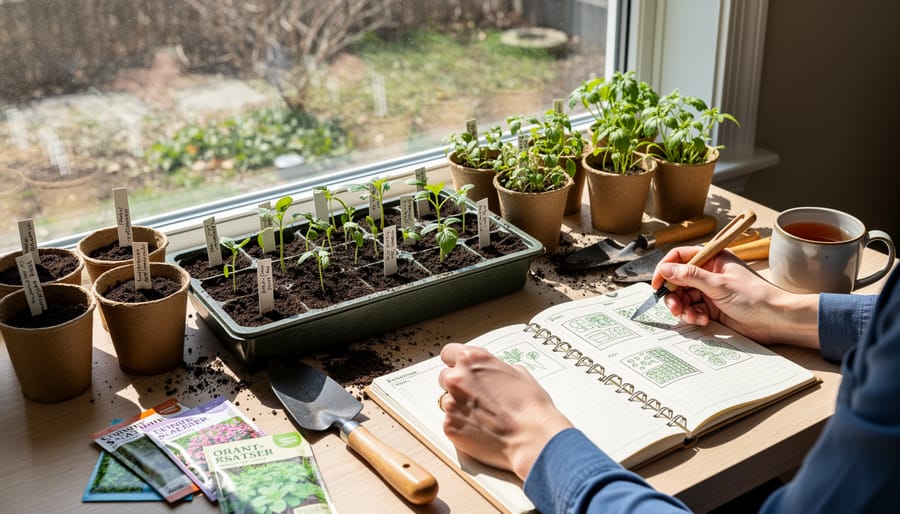
Canada’s vast climate zones create dramatically different Sunday event calendars across the country. In coastal British Columbia, mild winters mean garden tours and outdoor workshops can run nearly year-round, with some venues hosting Sunday events as early as late February when snowdrops bloom. The Pacific Northwest’s extended growing season pushes fall events well into November.
Prairie gardeners face a compressed timeline. Manitoba and Saskatchewan communities concentrate Sunday activities between mid-May and early September, working around frost dates that can arrive in late August. Spring events launch later here, often not until Victoria Day weekend, but pack intense learning into shorter windows. You’ll find rapid-fire workshop series and weekend-long festivals rather than monthly gatherings.
The Maritimes split the difference. Nova Scotia and New Brunswick Sunday schedules mirror central Canada’s May-to-October pattern, but coastal microclimates create quirks. Some Maritime gardens host late-spring tulip tours when Prairie gardens are just breaking ground, while others battle fog and cool summers that delay tomato harvests into September.
Check your region’s hardiness zone (Natural Resources Canada publishes updated maps) to understand when local Sunday events will cluster. Organizers schedule around your area’s reliable planting and harvest windows, not calendar months.
Community and Cultural Calendars
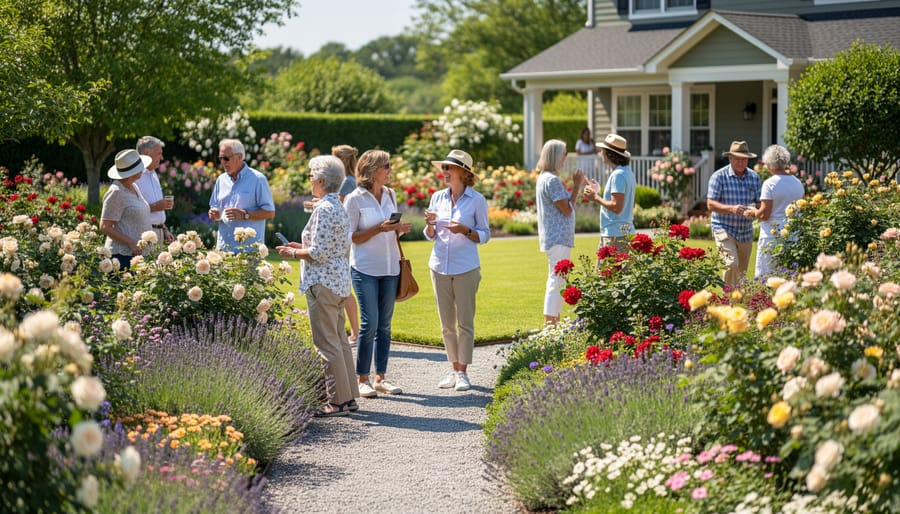
Community garden organizers and event planners time their Sunday gatherings around the rhythms of Canadian life. Victoria Day weekend in May often kicks off the season with plant sales and planting parties, while Labour Day weekend in September marks harvest celebrations before cooler weather arrives. Summer school holidays, July and August, bring family-friendly garden tours and children’s workshops on Sunday mornings, when parents can attend together. Some gardens schedule around civic holidays like Canada Day or Thanksgiving weekend, avoiding competition with family gatherings.
Cultural celebrations also shape the calendar. Multicultural gardens may host Sunday events tied to Lunar New Year in late winter for seed planning, Diwali in fall for harvest sharing, or Eid celebrations with communal garden meals. Indigenous gardening workshops often align with traditional planting and harvesting cycles rather than fixed dates. Gardens experimenting with August container seeds might schedule late-summer Sunday sessions to demonstrate succession planting techniques.
Check your local community garden’s annual calendar in early spring, most plan Sunday events around these seasonal markers and community touchstones, ensuring maximum participation when people are already thinking about gathering outdoors.
Venue and Volunteer Availability
Sunday gardening events depend heavily on when venues can open and when volunteers can show up. Many botanic gardens and public parks operate on limited weekend staffing, so Sunday hours might be shorter than weekdays, especially in smaller municipalities with tight recreation budgets. Community gardens often schedule events around coordinator availability, which means the same garden might host Sunday workshops in May but shift to Saturday in August when the lead volunteer is away.
Volunteer-driven events face their own timing puzzle. Organizers juggle family commitments, religious observances, and work schedules. A popular Sunday morning slot might conflict with church services in some communities, while afternoon events compete with sports leagues and family dinners. Gardens that rely on volunteer committees typically plan events months ahead, locking in dates when enough hands are available to set up, teach, and clean up.
Weather contingencies add another layer. Outdoor Sunday events need backup dates or indoor alternatives, and coordinating those extras requires even more volunteer bandwidth. This is why you’ll see clusters of Sunday events in peak season when help is plentiful, then gaps in shoulder months when organizers are stretched thin.
Types of Sunday Gardening Events to Look For
Sunday gardening events come in several formats, each offering different ways to connect with plants and people. Knowing what to expect helps you choose events that match your comfort level and goals, whether you’re looking to learn new techniques, meet fellow gardeners, or simply enjoy beautiful spaces.
Open Garden Tours take you through private or public gardens at their peak, often led by the gardeners themselves. You’ll see design ideas in action, ask questions about specific plants, and gather inspiration for your own space. These tours suit everyone from beginners seeking ideas to experienced gardeners wanting to see how others tackle challenges like hardiness zone 3 conditions or shade gardening. Most tours are self-paced, making them relaxed and accessible.
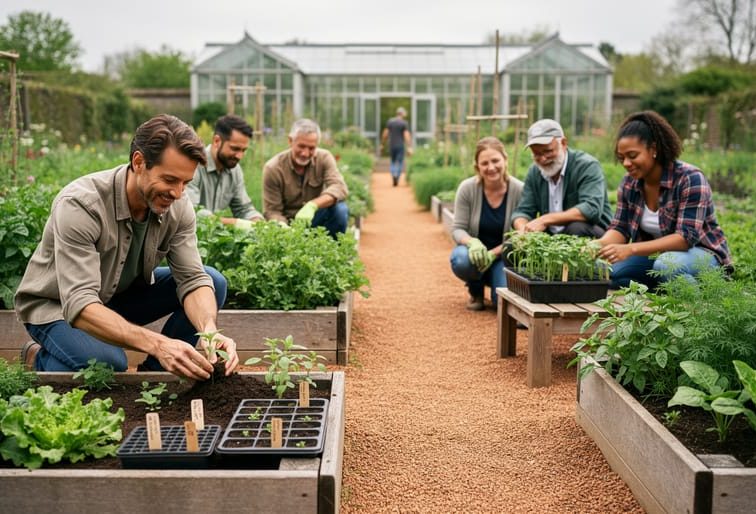
Hands-On Community Workdays involve rolling up your sleeves alongside neighbours to plant, weed, mulch, or build infrastructure at community gardens or public green spaces. You’ll learn by doing, share physical work, and see immediate results. Perfect for active learners and those wanting to contribute directly to neighbourhood beautification, these events welcome all skill levels, experienced gardeners often mentor newcomers during shared tasks.
- Open Garden Tours
- Guided or self-guided visits to mature gardens, ideal for gathering design inspiration and seeing plant performance firsthand. Best for visual learners and those seeking low-commitment, accessible introductions to local gardening styles.
- Hands-On Community Workdays
- Collaborative planting and maintenance sessions at shared spaces, offering practical experience and physical activity. Suits those who learn by doing and want to contribute directly while meeting active community members.
- Workshops and Demonstrations
- Focused skill-building sessions covering specific techniques like pruning, composting, or seed starting, often with take-home materials. Perfect for gardeners ready to tackle new challenges and deepen their knowledge in targeted areas.
- Plant Sales and Swaps
- Events where gardeners exchange or purchase locally-grown plants, divisions, and seeds, often with expert advice included. Ideal for expanding your plant collection affordably while connecting with growers who understand regional conditions.
- Themed Festivals and Celebrations
- Larger gatherings built around harvest, pollinators, heritage plants, or seasonal milestones, combining education, entertainment, and community. Great for families and anyone wanting a festive, social introduction to gardening culture.
Workshops and Demonstrations focus on specific skills, composting, pruning fruit trees, starting seeds indoors, or building raised beds. An instructor walks you through techniques step-by-step, often with hands-on practice time. You’ll leave with actionable knowledge and sometimes starter materials. These events suit gardeners ready to tackle new challenges and appreciate structured learning.
Plant Sales and Swaps let you expand your garden economically while meeting local growers. You’ll find divisions, seedlings, and seeds suited to your climate, often with advice from the people who grew them. Swaps operate on informal barter (bring plants to trade), while sales support garden clubs or community projects. Both formats suit budget-conscious gardeners and plant collectors hunting for unusual varieties.
Themed Festivals blend education, entertainment, and celebration around topics like pollinators, heritage vegetables, or fall harvest. Expect multiple vendors, demonstrations, kids’ activities, and a festive atmosphere. These larger events suit families, beginners seeking an easy entry point, and anyone who enjoys social, low-pressure gardening experiences.
How to Find Sunday Gardening Events Near You
Finding Sunday gardening events in your area takes a bit of detective work, but once you know where to look, you’ll discover a thriving calendar of opportunities. Start with your municipal recreation department’s website, many cities publish seasonal event calendars that include community garden workdays, park naturalization projects, and public garden tours. These listings often appear under “Environment,” “Parks,” or “Community Programs” rather than just “Recreation,” so dig a little deeper than the main page.
Local community gardens are goldmines of information. Visit their physical bulletin boards if you can, or check whether they maintain Facebook pages or neighbourhood apps like Nextdoor. Garden coordinators frequently post Sunday workdays, potlucks, and skill-sharing sessions that welcome drop-ins. Similarly, gardening clubs and horticultural societies, even small neighbourhood groups, typically send out monthly newsletters packed with event listings. Ask at your library or community centre for contact information, or search online for “[your city] garden club.”
Social media deserves your attention. Join local gardening groups on Facebook and follow botanic gardens, conservation areas, and garden centres on Instagram. Many hosts announce Sunday events exclusively through social channels, sometimes just days in advance. Turn on post notifications for your favourite venues so you won’t miss spontaneous workshops or last-minute tour openings.
To build a reliable year-round information system, follow these steps:
- Subscribe to email newsletters from your nearest botanic garden, arboretum, and at least two local nurseries, they announce events first to subscribers.
- Set a monthly calendar reminder to check municipal and provincial park websites for updated programming schedules.
- Join one online gardening group and one in-person club to access both digital announcements and word-of-mouth invitations.
- Create a simple spreadsheet or note with recurring annual events you’ve enjoyed, so you remember to check back each season.
Don’t overlook garden centres and nurseries. Beyond selling plants and supplies like a companion planting chart many host free Sunday workshops, demonstrations, and Q&A sessions with growers. Staff members often know about community events happening elsewhere and can point you toward active gardening networks in your region.
Making the Most of Your Sunday Garden Visit
A Sunday garden visit is just the starting point, what you do before, during, and after can turn a pleasant outing into a lasting connection with your local gardening community.
Come prepared to engage. Bring a notepad or use your phone to jot down plant names, techniques you want to try, or resources mentioned by hosts. If the event includes a plant swap, label your contributions clearly with the plant name and basic care needs. Wear comfortable shoes and dress for the weather, many Sunday events involve walking tours or outdoor workdays where you’ll be on your feet.
Don’t hesitate to ask questions. Experienced gardeners and event organizers love sharing their knowledge, whether it’s troubleshooting a pest problem or explaining how to save a stressed tree. Introduce yourself to other attendees; a quick chat about your garden challenges or favourite plants often leads to ongoing friendships and informal mentorship.
After the event, follow up. Connect with organizers or new contacts through the community garden’s social media group or email list. Review your notes within a day or two while details are fresh, and file any handouts or plant tags in a binder for reference. If you learned a new technique, try it in your own garden that week, Sunday events are most valuable when you put the ideas into practice and share your results with the community at your next visit.
Frequently Asked Questions
Are Sunday gardening events free to attend?
Many community garden workdays and open garden tours are free, though some workshops, festivals, and botanic garden events charge a small fee to cover materials or venue costs. Check event listings for details, most organizers clearly state whether registration fees apply.
Do I need to register in advance?
It depends on the event type. Drop-in community workdays and garden tours often welcome walk-ins, while workshops with limited space or provided materials typically require advance registration. Popular events at the best Canadian gardening events fill quickly, so signing up early helps secure your spot.
Can beginners attend, or do I need experience?
Absolutely, most Sunday gardening events welcome all skill levels and often design activities specifically for beginners. Hosts and experienced volunteers are usually happy to answer questions and offer guidance as you learn.
What happens if it rains on event day?
Outdoor events sometimes proceed in light rain (bring a jacket), while heavy weather may trigger postponement or cancellation. Organizers typically post updates on their websites or social media the morning of the event, so check before heading out.
Are these events family-friendly?
Many Sunday garden gatherings encourage families and include hands-on activities for children, though some specialized workshops focus on adult learners. Event descriptions usually indicate whether kids are welcome and if supervision is required.
How long do Sunday events typically last?
Community workdays often run two to three hours, garden tours may last 90 minutes, and workshops range from one to four hours depending on the topic. Most event calendars list start and end times so you can plan your day accordingly.
These practical details help you arrive prepared and confident. Knowing what to expect removes barriers to participation and lets you focus on connecting with fellow gardeners and absorbing new knowledge. Don’t hesitate to contact organizers directly if you have specific questions about accessibility, parking, or what to bring, they want you there and will gladly help you prepare for a rewarding Sunday in the garden.
Whether you’re seeking hands-on planting experience, eager to tour established gardens for inspiration, or simply craving connection with fellow green thumbs, Sunday gardening events offer something genuinely special. They transform what might otherwise be a solitary hobby into a shared celebration of growth, learning, and community care.
Mark those seasonal windows in your calendar now, spring seedling swaps, summer garden tours, fall harvest celebrations, even winter planning workshops. Each season brings its own rhythm and rewards, and showing up regularly means you’ll forge lasting friendships while deepening your gardening knowledge. The people you meet at these gatherings often become your go-to sources for plant divisions, troubleshooting advice, and mutual encouragement when the slugs inevitably show up.
Start small if you’re new to this. Attend one event this season, introduce yourself, ask questions, and see where it leads. Experienced gardeners, remember that your presence and willingness to share what you’ve learned keeps these traditions thriving and welcomes the next generation of community growers.
Sunday gardening events aren’t just about better tomatoes or prettier borders, they’re about building resilient, connected communities one garden visit at a time. Your local gardening community is waiting to welcome you. Show up, dig in, and grow together.