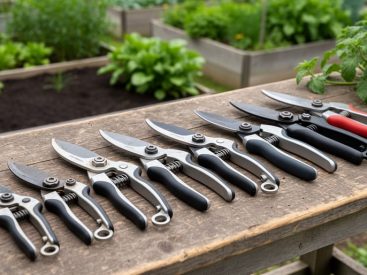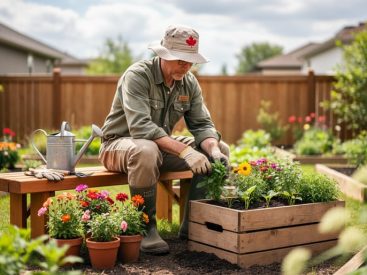
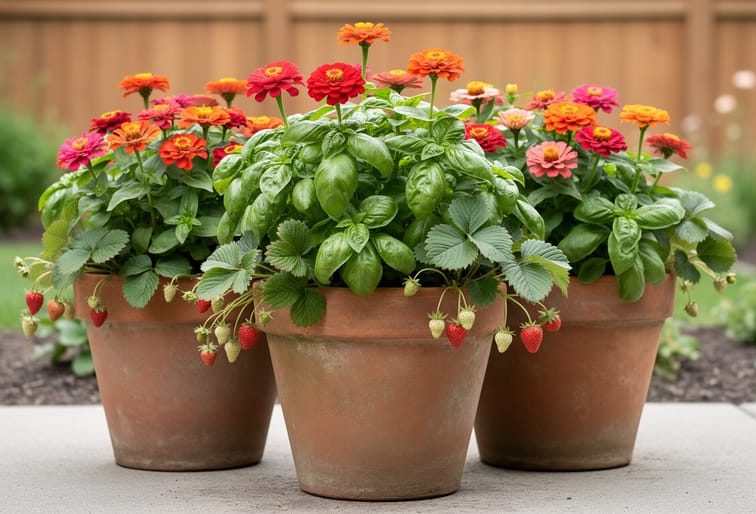

August is the perfect time to refresh your container gardens with Ferry-Morse seeds that will carry you through fall and beyond. While your summer petunias in pots may be starting to fade, quick-growing herbs, compact flowers, and even alpine strawberries can fill those containers with fresh life in just weeks.
Ferry-Morse offers an impressive selection of container-friendly seeds at prices that make experimentation easy. Their Zinnia Lilliput Mixed Colors ($1.79) and Organic Sweet Basil ($2.79) are particularly well-suited for Canadian gardeners looking to maximize small spaces. The key is choosing varieties that either mature quickly before frost or can transition indoors as the weather cools.
What makes August container planting special is the opportunity to grow food and flowers simultaneously. Imagine snipping fresh tarragon ($1.99) for your cooking while alpine strawberries ($2.49) produce sweet fruit well into autumn. These compact varieties thrive in the cooler temperatures that September and October bring, often performing better than they would in July’s heat.
This approach also builds community resilience. When neighbors see thriving containers in late summer, it sparks conversations about extending the growing season and sharing seeds for next year. Container gardening in August isn’t about starting over, it’s about layering in new growth that complements what you’ve already nurtured all season.
What Makes Ferry-Morse Seeds Great for Late-Summer Container Planting
Ferry-Morse has built a reputation for affordable, dependable seeds that work particularly well in containers, making them a go-to choice for gardeners who need versatility. Their container-friendly varieties, from herbs like Organic Sweet Basil ($2.79) to compact flowers such as Zinnia Lilliput Mixed Colors ($1.79), are bred for smaller root systems and manageable heights that suit pots rather than sprawling garden beds.
August planting in Canada might seem late, but it’s actually a sweet spot for certain crops. Cool-season herbs and greens germinate quickly in the warm soil, and many can handle the first light frosts. Flowers started now will bloom through September and October, bridging the gap as your petunias and summer annuals fade. Container gardens give you the flexibility to move plants under cover if frost threatens early, extending your harvest and color well beyond what in-ground plantings can achieve.
When choosing seeds to plant alongside existing container blooms, look for varieties with different growth habits and nutrient needs. A basil tucked beside a petunia won’t compete for the same space, and leafy greens can refresh a pot where flowers are declining. Ferry-Morse’s selection includes perennials like Tarragon Seed ($1.99) and Alpine Strawberry ($2.49) that establish roots now and return next season, offering long-term value for community gardeners managing shared resources. Quick-maturing annuals fill immediate gaps, while these slower starters invest in future abundance.
1. Organic Sweet Basil, Fresh Herbs Until Fall
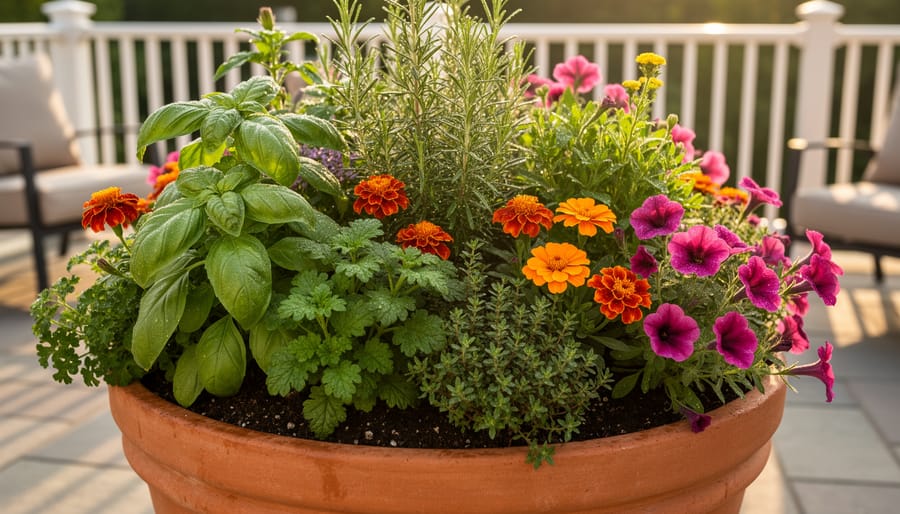
Ferry-Morse Organic Sweet Basil ($2.79) stands out as one of the smartest choices for August container planting in Canadian gardens. This classic culinary herb thrives in pots, making it perfect for balconies, patios, and community garden spaces where ground plots are already full or unavailable.
When you sow basil seeds in August, you’re tapping into a sweet spot in the growing calendar. The seedlings emerge quickly in warm late-summer soil, and you’ll be pinching fresh leaves for salads and pasta within four to six weeks. Unlike spring-planted basil that often bolts in July heat, August sowings enjoy cooler September temperatures that keep plants leafy and productive well into October, sometimes even surviving light frosts under a protective cloche.
Container growing gives basil the drainage it craves. Use a pot at least 8 inches deep, fill it with quality potting mix, and place it where it gets six hours of sun. Water when the top inch feels dry, but don’t let it sit in soggy soil.
Community gardeners love basil for shared herb gardens because it produces abundantly from a small footprint. One member can start a dozen containers from a single $2.79 packet, then share seedlings or cuttings with neighbours. The constant harvest keeps plants compact and encourages everyone to cook with fresh herbs. Some community spaces even organize “pesto days” in September, turning the collective harvest into jars that members take home, proving that late-summer planting creates connection alongside flavour.
2. Tarragon Seed, A Perennial Herb Investment
At just $1.99, Ferry-Morse Tarragon Seed offers exceptional value for container gardeners looking to make a long-term investment. Unlike annual herbs that need replanting each spring, tarragon is a perennial that returns year after year when given proper care, making it perfect for community gardens where sustainability and cost-effectiveness matter.
Tarragon thrives in containers because it doesn’t require deep soil and actually performs better with the controlled drainage pots provide. In milder Canadian zones, your container-grown tarragon can survive winter right in its pot if you move it to a sheltered spot and add extra mulch around the base. Even in colder regions, bringing the container into an unheated garage or porch during the harshest months often keeps the roots alive for spring regrowth.
The culinary appeal makes tarragon a favorite in community kitchen gardens. Its distinctive anise-like flavor elevates everything from roasted vegetables to vinaigrettes, and just a few leaves go a long way. Community cooking workshops particularly appreciate having fresh tarragon on hand, since dried versions lose much of their subtle flavor.
August planting gives tarragon time to establish roots before winter, setting it up for vigorous growth next season. Start seeds in well-draining potting mix, keep the soil lightly moist, and place your container where it gets morning sun but some afternoon shade. Within weeks, you’ll see the first feathery leaves emerge, and by next summer, you’ll have a productive herb that keeps giving.
3. Zinnia Lilliput Mixed Colors, Vibrant Fall Blooms
At just $1.79, Zinnia Lilliput Mixed Colors delivers exceptional value for container gardeners looking to add cheerful fall color. These compact zinnias grow 12-18 inches tall, making them perfect for pots and window boxes without overwhelming smaller spaces or competing with neighboring plants.
What makes this variety particularly suited for August planting is its quick bloom time. Expect flowers within 60-75 days from sowing, which means seeds started in early August will produce blooms by mid-October. In milder Canadian zones, these flowers often continue well into November if protected from early frosts. The mixed colors, ranging from coral and pink to crimson and gold, create eye-catching displays that brighten balconies and community garden plots as summer annuals fade.
Container growers appreciate Lilliput zinnias because they’re remarkably low-maintenance. They tolerate the fluctuating moisture levels that containers sometimes experience better than larger zinnia varieties, and their smaller stature means they don’t require staking. Plant them in well-draining potting mix and place containers where they’ll receive six hours of sunlight. Deadheading spent blooms encourages continuous flowering, though many community gardeners let some flowers go to seed to attract finches and other birds in autumn.
Community gardens frequently use these zinnias as shared-space centerpieces, planting several containers together to create vibrant focal points. One Toronto gardener described filling a dozen recycled five-gallon buckets with Lilliput zinnias each August, positioning them around communal seating areas to extend the season’s color. The flowers also work beautifully tucked among greens and herbs, adding visual interest to productive container gardens.
4. Alpine Strawberry, Edible Beauty for Small Spaces

Ferry-Morse’s Alpine Strawberry seeds ($2.49) offer something special for August container gardens: a compact, perennial edible that looks beautiful while producing sweet, fragrant berries well into fall. Unlike standard strawberries that sprawl and demand space, alpine varieties stay neat and tidy, making them perfect for container edges where they can cascade gracefully while still leaving room for companion herbs or greens in the same pot.
When you plant alpine strawberries in August, expect a timeline focused on establishing strong roots rather than immediate fruit. The plants will develop good foliage through fall and overwinter in their containers (in zones 5-7, they’ll go dormant and return each spring). You’ll see the first meaningful berry production in late spring of the following year, but that patience pays off with years of harvests from the same plants. Many community gardeners love this perennial approach because it reduces annual seed costs and fits perfectly with sustainable gardening goals.
Container care for alpine strawberries is straightforward: use well-draining potting mix, position them where they’ll get at least six hours of sun, and keep the soil consistently moist but never waterlogged. In community gardens, these plants work wonderfully in accessible raised containers where members of all abilities can tend and harvest without bending low. The bonus? The delicate white flowers and bright red berries create visual interest that rivals purely ornamental plantings, proving edibles can be just as attractive as flowers in shared community spaces.
5. Quick-Growing Greens, Salad Success Before Frost
August gives Canadian container gardeners a perfect window to squeeze in one more crop of fresh greens before frost arrives. Ferry-Morse offers several lettuce and salad green varieties that mature quickly enough to deliver multiple harvests through September and into early October, even in cooler regions.
Leaf lettuce varieties are your best bet for August container planting. They typically reach harvest size in 40-50 days from seed, and you can start snipping outer leaves even earlier for baby greens. Mesclun mixes work beautifully in shallow containers and provide variety in a single pot, think tender lettuces mixed with arugula, mustards, and other quick-growing greens that actually prefer the cooler nights of late summer.
The real advantage comes from successive planting. Community gardens often dedicate one or two containers to greens and reseed half the pot every two weeks through late August. This staggers your harvest and keeps fresh salad coming until hard frost. A single 12-inch container can feed a family’s salad bowl continuously if you plant in sections and harvest the cut-and-come-again way.
Community gardens love container greens because they’re accessible to everyone, no bending required when pots sit on tables or raised platforms. They’re also perfect for teaching kids about quick results in gardening. Plant together in August, harvest together by late September.
6. Cool-Season Herbs, Cilantro and Parsley Perfection
Cilantro and parsley are superstars for August container planting in Canadian gardens. While many herbs struggle as summer transitions to fall, these two actually prefer the cooler temperatures that start rolling in during late August and September. Cilantro, which bolts quickly in summer heat, finally gets the conditions it needs to produce those flavorful leaves gardeners crave. Parsley establishes strong roots in the comfortable temperatures and keeps producing fresh greens well into October in most Canadian zones.
For containers, choose pots at least 8 inches deep to accommodate their root systems. Cilantro grows fast and can be ready for harvest in about three weeks from an August sowing, making it perfect for quick results before frost. Parsley takes longer to germinate but rewards patience with months of steady growth. Both herbs appreciate afternoon shade as days shorten, and containers let you move them to protected spots when early frosts threaten.
Community gardens find these herbs especially valuable for cooking programs and workshops. A few containers of fresh cilantro and parsley near a community kitchen provide constant ingredients for teaching sessions on preserving, making pesto, or preparing fresh salsas. Their affordability means even small garden budgets can supply multiple containers, and the continuous harvest encourages members to try new recipes together. Many community spaces plant succession containers every two weeks through August to keep the harvest going strong.
7. Pansies and Violas, Color Through Canadian Winters
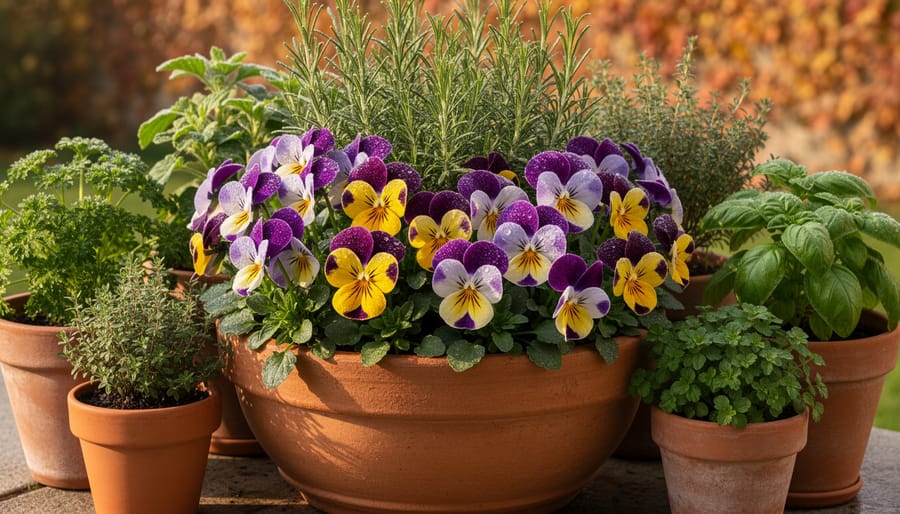
Pansies and violas stand out as the resilient champions of late-season container gardening, offering something most summer flowers can’t: genuine cold tolerance that keeps your displays vibrant through Canada’s harsh autumn and into mild winter spells. When you start these cheerful flowers from seed in August, you’re setting up containers that will brighten your community garden or front porch long after those petunias have succumbed to frost.
These tough little plants handle temperatures that would devastate tender annuals, often blooming through light snow and bouncing back after hard freezes in zones 6 and warmer. In milder coastal regions, they can provide color straight through to spring, making them exceptional value for community displays where year-round appeal matters. Their compact, mounding habit fits perfectly in containers, and their flowers, ranging from deep purples and sunny yellows to bicolors, create eye-catching combinations whether planted alone or mixed with cool-season herbs like parsley.
For community gardens refreshing tired summer containers, pansies and violas offer the perfect transition. They thrive in the cooler soil temperatures of late summer and fall, establishing strong root systems before winter. Unlike perennials you might overwinter perennials in the ground, these flowers perform best when given fresh starts each season, making August the ideal planting window for maximum fall and winter impact in your containers.
Where to Buy Ferry-Morse Container Seeds in Canada
Finding Ferry-Morse seeds in Canada takes a bit of planning since the company is US-based, but several reliable options exist for gardeners eager to start their August container plantings.
For direct orders, you can contact Ferry-Morse at 202 S Washington St., Norton MA 02766, or call 508-928-4769 to inquire about shipping to Canada. Many Canadian seed retailers and garden centers carry Ferry-Morse varieties, so check your local nursery’s seed racks first, you’ll often find their distinctive packets alongside other trusted brands.
Online shopping offers the widest selection for container gardeners. Canadian seed companies frequently stock Ferry-Morse lines, and cross-border seed shipping is generally straightforward for most flower and herb varieties. When ordering online, confirm the seller ships to your province and check customs requirements for agricultural products.
- Contact Ferry-Morse directly at 202 S Washington St., Norton MA 02766 or 508-928-4769 for shipping inquiries
- Check local Canadian garden centers and nurseries for Ferry-Morse seed displays
- Search Canadian online seed retailers that carry US seed brands
- For community gardens, inquire about bulk pricing when ordering multiple packets
- Verify shipping timelines to ensure seeds arrive in time for August planting
Community garden coordinators should reach out about bulk orders, many retailers offer discounts when you’re buying seeds for shared spaces. This approach pairs well with choosing container pots collectively and investing in smart irrigation tools that benefit the entire growing space.
Container Care Tips for August Plantings
Getting your containers ready for August plantings doesn’t mean starting from scratch. You can refresh existing pots by removing spent plants (or cutting back summer bloomers like petunias if they’re still performing), then loosening the top few inches of soil with a hand fork. Mix in fresh compost or aged manure, about one-third new material to two-thirds existing soil, to replenish nutrients depleted by summer plants. This sustainable approach keeps perfectly good potting mix out of landfills while giving new seedlings the boost they need.
Watering changes significantly as August transitions into September. Your containers will dry out more slowly than they did in July’s heat, so check soil moisture before watering rather than sticking to a fixed schedule. Push your finger two inches down, if it feels dry, water deeply until it drains from the bottom. As nights cool, morning watering works better than evening to prevent fungal issues on tender seedlings.
Integration matters when you’re adding new plants to existing containers. Tuck basil or lettuce starts around the base of leggy petunias, or plant quick-growing greens in the gaps where earlier annuals have faded. This layered approach maximizes every inch of your container real estate. For community garden spaces, coordinate planting times so everyone’s pots look lush through autumn, alternating herb and flower plantings creates visual interest while keeping maintenance manageable for shared responsibilities.
Save healthy soil from containers that have finished their season, mixing it into your compost pile or storing it in a covered bin for spring. This closed-loop practice cuts costs and keeps community gardens sustainable year after year.
Common Questions About August Container Gardening
Starting container gardens in August raises questions, especially for community gardeners coordinating shared spaces and planning fall harvests. Here’s what experienced Canadian container gardeners often ask about late-summer planting.
Should I use seeds or transplants for August container plantings?
Seeds work beautifully for quick-growing herbs like basil and greens, while transplants give you a head start with slower growers like pansies. Ferry-Morse seeds typically cost under three dollars per packet, making them budget-friendly for community projects that need multiple containers.
What containers work best for late-season plantings?
Choose containers at least 6-8 inches deep with drainage holes; larger pots retain moisture better as fall rains become inconsistent. Dark-colored pots absorb warmth during cooler days, helping seeds germinate faster in August’s variable temperatures.
How do I protect new plantings from early frost?
Cover containers with breathable fabric or move them against a south-facing wall on frosty nights. Many August plantings like cilantro and pansies actually tolerate light frost, making them resilient choices for Canadian fall gardens.
Can I plant new seeds alongside my existing summer flowers?
Absolutely! Tuck quick-growing greens or herbs around fading petunias, or refresh tired containers completely with cool-season options like violas that thrive as temperatures drop.
Succession planting works wonderfully in containers. Plant lettuce or cilantro every two weeks through early September for continuous harvests into October. Community gardeners often coordinate staggered plantings so different members harvest at different times, extending the shared bounty and keeping everyone engaged through fall.
August doesn’t have to mark the end of your container garden. For Canadian gardeners, it’s actually a perfect time to refresh your pots and introduce new life that will carry you through fall and beyond. The seven Ferry-Morse options we’ve explored prove that late-summer planting is both accessible and affordable, with most seeds costing under three dollars.
Whether you’re growing basil for fresh pesto, alpine strawberries for a perennial container treat, or zinnias to brighten your community garden plot, these plantings extend the joy and productivity of your gardening season. They bring fresh flavors, vibrant colors, and even winter interest to both individual balconies and shared growing spaces.
We’d love to hear about your own August container successes. Have you tried any of these Ferry-Morse varieties? What’s thriving in your late-summer pots? Share your stories and inspire fellow community gardeners to keep planting, even as the season shifts. Your containers still have plenty of growing left to give.