
You’ve probably seen the viral videos: copper wire spirals wrapped around garden stakes, metal antennas jutting from tomato beds, claims of doubled harvests without chemicals. Electro culture gardening has exploded across social media in recent years, promising that electromagnetic energy and atmospheric electricity can supercharge plant growth. But before you start wrapping your raised beds in copper coils, you’re right to wonder: does this actually work, or is it just another internet fad?
The short answer? The science is complicated, and most experts remain skeptical. Research from Washington State University found no measurable benefit from the electromagnetic devices currently marketed to home gardeners. Yet the practice has deep historical roots, and many Canadian gardeners swear they’ve seen results in their own plots.
Here’s what matters: you don’t need to choose between being a believer or a cynic. Whether electro culture taps into something real or simply encourages us to pay closer attention to our plants, exploring it can be part of your gardening journey. Some community gardeners in Ontario have been experimenting with copper antennas alongside their usual practices, treating it as one more tool rather than a miracle cure.
This isn’t about finding a shortcut to replace good soil, proper watering, and attentive care. It’s about understanding what electro culture claims to do, what the evidence actually shows, and how you might test it yourself if curiosity calls. Let’s dig into the facts, the stories, and the practical considerations so you can make an informed choice for your 2026 garden.
What Exactly Is Electro Culture Gardening?
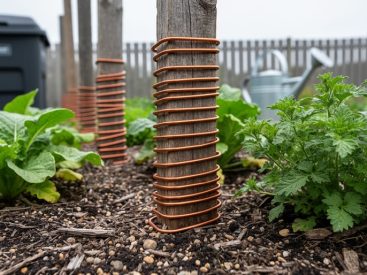
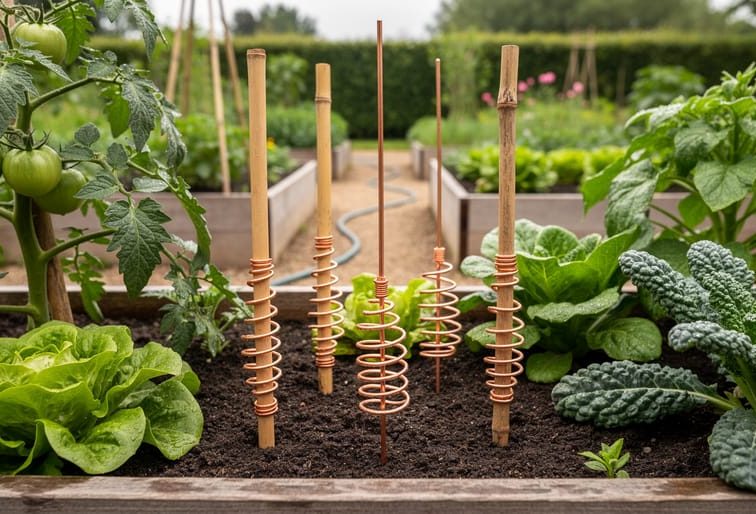
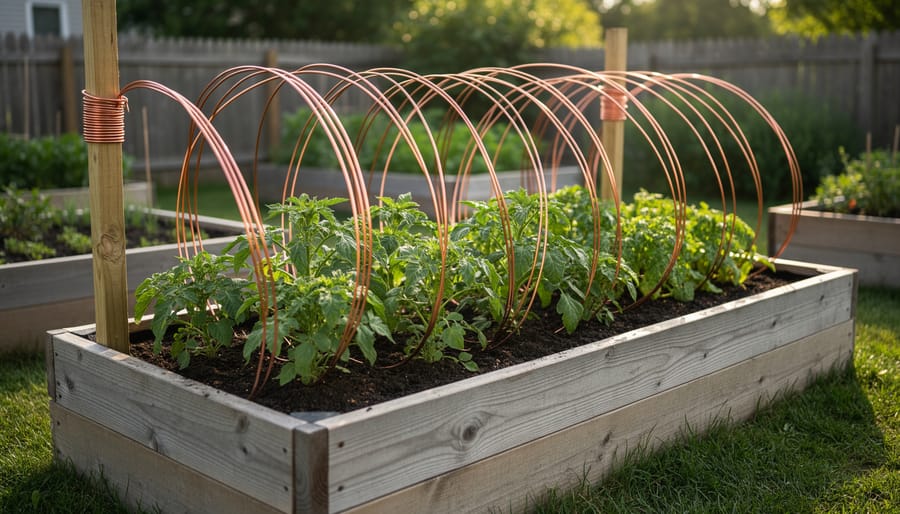
Electroculture gardening is a method that uses metal structures, primarily copper, in garden beds with the claim that they capture atmospheric electricity or electromagnetic energy to boost plant growth. Gardeners install copper wires wrapped in spiral coils around wooden or bamboo stakes, place copper antennas directly in the soil, or create wire cages and arches over their plants. The basic idea is that these metal structures act as conduits for natural electrical currents from the atmosphere, supposedly energizing the soil and stimulating roots, leaves, and overall plant vigor.
If you’re new to this concept, here are the key terms you’ll encounter:
- Electroculture
- A gardening practice that uses metal structures, usually copper, to supposedly harness atmospheric electricity for plant growth. Proponents claim it improves yields without chemicals or fertilizers.
- Copper antenna
- A copper wire coiled in a spiral shape and mounted on a stake, designed to act as a receiver for electromagnetic energy in the garden bed. These are the most common electroculture setup you’ll see in photos.
- Atmospheric energy
- The natural electrical charge present in the air and atmosphere, which electroculture practitioners believe can be directed into soil to benefit plants. This includes phenomena like static electricity and electromagnetic fields.
The typical setup is surprisingly simple. Most gardeners wind bare copper wire around a wooden stake in a cone or spiral shape, then push the stake into the soil near their plants. Some wrap copper wire around the entire perimeter of raised beds or create elaborate grid patterns across garden plots.
The concept has historical roots stretching back to the 1700s and 1800s, when European scientists experimented with electricity’s effects on agriculture. These early trials sparked interest in whether electrical currents could stimulate growth, and that curiosity has resurfaced in gardening communities today with readily available copper wire and DIY tutorials.
Why Everyone’s Talking About It in 2026
The electro culture gardening craze took off in 2025 and shows no signs of slowing down in 2026. Scroll through Instagram or TikTok’s gardening corners and you’ll find thousands of videos showcasing copper coils wrapped around garden stakes, wire antennas jutting skyward, and side-by-side photos claiming doubled tomato yields or faster germination. The content is compelling: these posts promise bigger harvests using nothing but copper wire and what proponents call atmospheric energy.
The trend’s momentum has pushed electro culture from niche gardening forums into mainstream retail. Walmart Canada now stocks DIY copper coil kits for CAD$7.19, making the experiment accessible to anyone curious enough to try. Facebook gardening groups dedicated to the practice have swelled to tens of thousands of members sharing designs, theories, and enthusiastic testimonials.
For sustainability-focused Canadian gardeners, the appeal is obvious. The method promises chemical-free growth enhancement, aligns with off-grid and permaculture values, and costs almost nothing to implement. At a time when input costs keep climbing and environmental concerns drive planting decisions, a technique that claims to harness free energy feels like exactly what many gardeners want to believe in. The community enthusiasm is real, even if the science behind it remains murky.
What Does the Science Actually Say?
Here’s a curious thing about gardening trends: the more dramatic the claims, the more we should ask what the research actually shows. When it comes to electro culture gardening, that question matters.
Washington State University Extension published an analysis in July 2024 examining electroculture from their Yakima County office. The findings weren’t what social media might lead you to expect. While experiments with electrical stimulation of plants do appear in agricultural history, modern scientific trials haven’t produced consistent, reproducible evidence that copper coils and antenna structures meaningfully improve plant growth. The methods being shared across gardening communities today lack the controlled testing needed to separate cause from coincidence.
Despite historical interest in the concept, current scientific consensus finds no reliable evidence that electroculture methods consistently benefit garden plants.
That doesn’t mean every gardener who reports success is imagining things. Several factors could explain why someone might see better results in their electroculture bed. First, there’s the attention effect. When you’re testing something new, you naturally watch those plants more closely, water more consistently, and notice problems faster. That extra care makes a real difference. Second, if you’re installing copper structures, you’re probably also working the soil, adding amendments, and generally fussing over that bed more than your control area. Third, natural variation between garden spots (slight differences in sun exposure, drainage, or soil depth) can create noticeable differences in plant performance that have nothing to do with the copper.
The human element matters too. We’re wired to notice evidence that confirms what we hope is true and overlook contradictory results. If three tomatoes thrive and two struggle in your electroculture bed, you’ll remember the success stories.
None of this dismisses the value of experimenting in your garden. Testing ideas, even unconventional ones, is part of how gardeners learn. The key is approaching it with realistic expectations and honest record-keeping rather than certainty that copper coils will transform your harvest. Science simply hasn’t confirmed that they will.
Real Stories from Canadian Gardeners Trying It
Marina Kowalski in Winnipeg spent last summer threading copper wire through bamboo stakes after watching a TikTok gardening video. She set up identical beds of tomatoes and peppers: one with copper coils, one without. “I was hoping for something magical,” she admits. “But by August, I couldn’t tell any difference. Both beds produced about the same yield, and the plants looked identical.” Still, she doesn’t regret trying it. The process got her more engaged with tracking her garden’s progress and paying closer attention to soil conditions.
Not every Canadian gardener shares that neutral experience. James Chen in Kelowna tried copper antennas in his raised beds and swears his lettuce grew faster. When pressed, he acknowledges he also amended that bed with fresh compost and adjusted his watering schedule. “Maybe it was the copper, maybe it was everything together,” he says. “I just know that bed did well.” That honest uncertainty captures what many experimenters discover: isolating one variable in a living garden is harder than it sounds.
Sarah Boudreau runs a community garden plot in Moncton and convinced three neighbors to test electroculture alongside her. They wrapped copper wire around stakes in their pepper plants while leaving control plants untouched. After three months, none of them saw measurable differences in height, fruit production, or plant health. What they did gain was camaraderie. “We met every week to compare notes and laugh about our ‘magic coils,'” Sarah says. “Even though it didn’t work, the experiment brought us together.”
These stories reveal something valuable: trying unconventional methods can deepen your connection to gardening and your community, even when results don’t match the hype. The gardeners who found it worthwhile were those who kept realistic expectations, documented their observations honestly, and enjoyed the process of discovery itself.
Should You Try Electro Culture in Your Garden?
If you’re curious enough to test electro culture gardening yourself, there’s little downside to a small-scale experiment. The copper wire structures cost next to nothing to try, and unlike some gardening trends, they won’t harm your plants or soil. The real question is whether you’re willing to approach it as a genuine learning experience rather than expecting miracle results.
- Materials cost under CAD$10 and copper structures last for years
- Makes a fun hands-on project if you enjoy tinkering and want to DIY your garden experiments
- Creates conversation starters with other gardening enthusiasts
- Low risk since copper doesn’t harm plants or change soil chemistry
- No consistent scientific evidence supports the claimed benefits
- Takes time and attention you could spend on proven methods
- Easy to misattribute results when other factors change simultaneously
- Disappointment is likely if you expect dramatic improvements
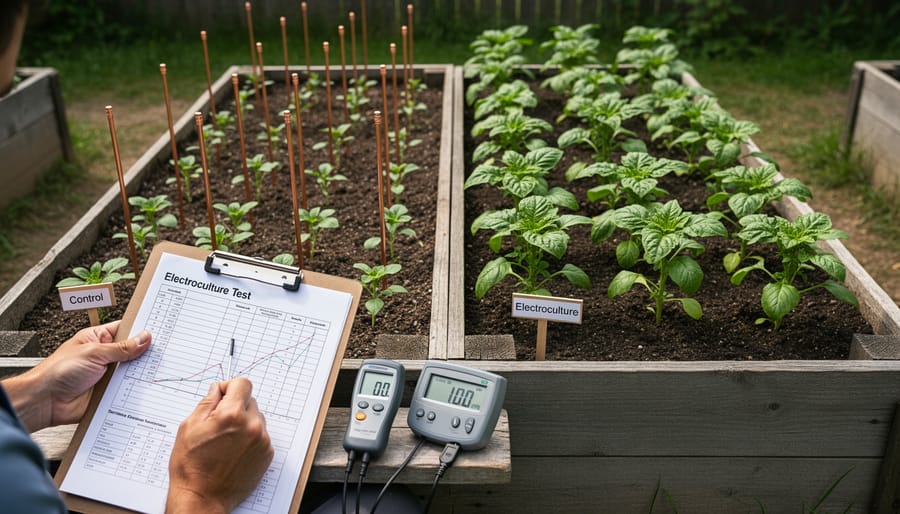
If you decide to try it, set up a proper test. Designate one bed or container for the copper structures and keep an identical control bed without them. Everything else should match: same plants, same soil, same watering schedule, same fertilizer. Take photos and notes weekly, tracking growth measurements, flowering times, and harvest weights. This documentation matters because memory is unreliable and confirmation bias is strong.
Whether you grow veggies in containers or have in-ground beds, keep the experiment small. One or two test subjects gives you the satisfaction of trying something new without betting your whole garden on unproven methods. Share your honest results with other gardeners regardless of outcome. That’s how communities learn together and separate what works from what just sounds good.

Proven Alternatives That Definitely Work
Whether you experiment with electroculture or not, these time-tested methods will genuinely improve your garden. Start with compost: adding organic matter transforms soil structure, feeds beneficial microbes, and provides steady nutrition plants actually use. A three-inch layer of mulch around your beds conserves moisture through dry spells, suppresses weeds, and breaks down into more organic matter over time.
Companion planting works through real biological relationships. Marigolds deter aphids, beans fix nitrogen that neighbouring crops can access, and tall sunflowers provide afternoon shade for heat-sensitive lettuce. These partnerships have been documented in gardens for generations.
Consider smart irrigation systems that deliver water directly to root zones, reducing waste and disease pressure from wet foliage. Drip lines or soaker hoses cost less than you’d think and make a measurable difference in plant health.
Encourage beneficial insects by planting native flowers nearby. Ladybugs, lacewings, and ground beetles handle pest problems naturally when you give them habitat and avoid broad-spectrum pesticides. Your organic fall prep sets up next season’s success by building soil health through cover crops and compost integration.
These practices complement each other beautifully and deliver results you can see, measure, and repeat year after year.
At the heart of great gardening is a community that shares openly, learns together, and stays curious without losing sight of what we know works. If electro culture gardening sparks your interest, try it. Set up a small test bed, keep notes on what you observe, and compare it honestly against your regular methods. Maybe you’ll see something remarkable. Maybe you won’t. Either outcome teaches us something valuable when we share it.
What matters most is that we support each other’s experiments while staying grounded. Try the copper coils alongside your compost pile. Document your results alongside your companion planting. Share what actually happens in your garden, not just what you hoped would happen. Canadian gardening thrives when we combine open-minded curiosity with clear-eyed honesty about what produces real food and healthy soil.
Whether electroculture becomes part of your practice or just an interesting experiment you tried one season, you’re contributing to our collective knowledge. That’s what makes gardening communities strong. Keep growing, keep questioning, and keep sharing what you learn.